The UK’s petrol retailers have accused government ministers of using “inflammatory” rhetoric that they claim has incited public abuse against forecourt staff, amid a fierce political row over soaring pump prices.
The Petrol Retailers Association (PRA), which represents owners of 65% of UK forecourts, said the language of “price gouging” and “ripping off” motorists employed by ministers in recent days had contributed to incidents of staff being abused. Gordon Balmer, the PRA’s executive director, stated the abuse could have been “provoked” by such terms.
Geopolitical Shock Drives Rapid Price Rises
The tension comes against a backdrop of the fastest increase in fuel costs since 2022. Prices have surged following US and Israeli airstrikes on Iran that began on 28 February, escalating into a war that has sent shockwaves through global energy markets.
A critical factor has been disruption to the Strait of Hormuz, a chokepoint for approximately 20% of the world’s oil. This has caused Brent crude prices to soar from around $70 to over $110 per barrel. The RAC reported that since the conflict began, UK diesel prices have risen by nearly 9% and petrol by 6%, adding around £4 to a typical family car fill-up.
On Friday, average prices reached 140.6p a litre for petrol (a 7.8p rise) and 159.18p for diesel (a 16.8p rise)—the highest level in 18 months, though still below the record highs of 191.5p for petrol and 199.09p for diesel seen in July 2022.
Government Puts Watchdog on “High Alert”
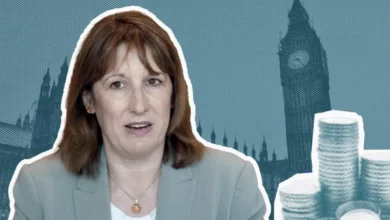
In response, the government has adopted a firm stance. Chancellor Rachel Reeves told MPs this week that the government “will not tolerate price gouging” and vowed to “crack down” on “rip-off” fuel prices. She revealed that the government’s statutory Fuel Finder service had found some stations charging almost 180p per litre while others were under 130p.
Reeves and Energy Secretary Ed Miliband were due to meet industry leaders at 11 Downing Street on Friday afternoon. The Chancellor was expected to tell them the Competition and Markets Authority (CMA) was on “high alert” for unjustifiable rises.
The CMA is accelerating its review of fuel margins, requiring firms to supply detailed revenue, costs, and sales data. It is specifically monitoring for evidence of “rocket and feather” pricing, where pump prices shoot up quickly but fall back slowly. Previous CMA reports have noted that retailer margins and spreads—the difference between wholesale and retail prices—remain significantly above historic averages.
Ed Miliband echoed the Chancellor’s tone, telling the BBC on Friday the government would not tolerate profiteering from the conflict and that the CMA was primed to stop “rip-offs”.
Retailers Claim Rhetoric Risks Safety and Misrepresents Market
The PRA initially pulled out of the meeting with the Chancellor, blaming the “incorrect and inflammatory” language from ministers. It requested a private discussion to explain market mechanics, but within hours rowed back and agreed to attend after receiving assurances about media presence.
In its defence, the PRA argued its members are operating on “razor-thin or in some cases negative margins,” meaning they are losing money on fuel sales. Gordon Balmer said increased margins reflected rising business costs, not profiteering, and that members were working hard to supply fuel competitively.
The association also pointed out that its members have been collaborating with the government to implement the Fuel Finder scheme, a legal requirement for all stations designed to increase transparency and help drivers find cheaper fuel.
The PRA’s warning about staff abuse has historical precedent. In June 2022, during the last period of record prices, petrol station workers reported a “huge increase” in verbal abuse from drivers making similar “rip-off” complaints.
Broader Impacts on Economy and Policy
The surge poses broader economic risks. The government has identified the cost of living as its top priority, and rising diesel prices directly increase shipping and transportation costs, affecting the price of nearly all goods, including food.
The situation also increases pressure on the government to delay or cancel a planned phasing out of a 5p cut in fuel duty, which was set to begin from September 2026.
For now, the immediate confrontation between ministers and retailers underscores the intense political and economic pressure created by a volatile global situation, with the watchdog now closely scrutinising every movement at the pump.