The UK economy began 2026 on a fragile footing, stalling completely in January as a major geopolitical shock in the Middle East threatens to derail a tentative recovery and reignite inflationary pressures.
Official figures from the Office for National Statistics (ONS) showed gross domestic product (GDP) achieved zero growth in January, missing economists’ expectations of a 0.2% expansion. This flat performance followed meagre growth of 0.1% in December and confirmed the economy entered the new year with little momentum, even before the escalation of conflict involving Iran.
According to the ONS, the dominant services sector showed no growth at all, while construction managed a slight 0.2% increase. Manufacturing output rose by 0.1%, aided by a recovery in car production following a severe cyberattack on Jaguar Land Rover in late 2025. The broader picture remains weak, however, with GDP growth for the three months to January estimated at just 0.2%.
Sector Weakness and a Historic Cyber Blow
Beneath the headline stagnation, specific sectors revealed acute stress. Housebuilding suffered a particularly tough start, with private new housing work plunging by 5.6% in January—the worst performance since the first Covid lockdown in March 2020. Construction output has now fallen for four consecutive quarters.
The manufacturing sector’s modest growth belies a significant earlier disruption. The cyberattack on Jaguar Land Rover, which began in September 2025, is considered the single most financially damaging cyber event in UK history. It cost the business over £3 billion in sales, caused a 43.3% drop in wholesale sales in the final quarter of 2025, and contributed to a 27% fall in UK car production for September—the worst September since 1952. The incident is estimated to have cost the UK economy approximately $2.5 billion.
Business groups expressed deep concern. Stuart Morrison, research manager at the British Chambers of Commerce (BCC), said the UK economy is “stuck in a worrying low growth trap,” with firms lacking confidence to invest or recruit. Lindsay James, investment strategist at Quilter, described the path as “sluggish and unexciting,” with 2% annual growth now a “pipe dream.”
Geopolitical Shockwaves Threaten Stagflation
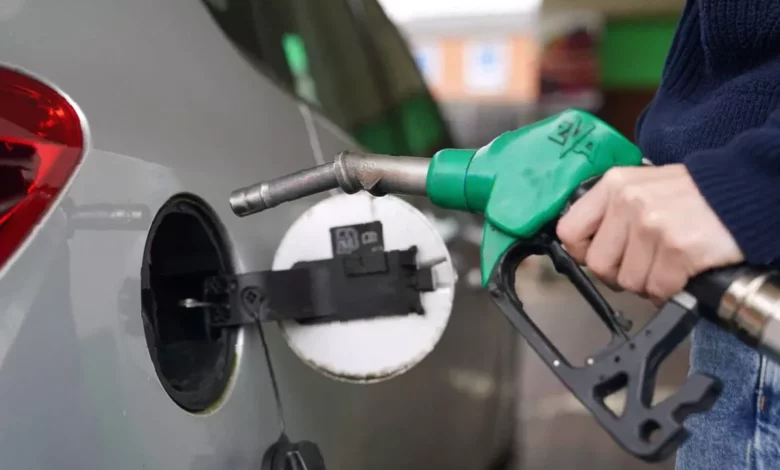
This domestic fragility now collides with a severe external shock. The conflict in the Middle East has sent global oil prices soaring above $100 a barrel for the first time in nearly four years, with some reports indicating a 20% spike. The critical Strait of Hormuz, a chokepoint for roughly 20 million barrels of oil daily, has been disrupted.
Analysts warn the situation could worsen. If the strait remains closed, prices could cross $100 and potentially reach $130 per barrel by mid-April. Banks have rushed to revise forecasts upwards; HSBC raised its average 2026 Brent crude forecast to $80, while ANZ raised its average for the first quarter to $90.
The immediate threat is a resurgence of inflation, which had been gradually easing. The government’s independent fiscal watchdog, the Office for Budget Responsibility (OBR), has warned that a sustained energy price spike could push UK inflation one percentage point higher than expected by year-end, to close to 3%. David Miles, a senior OBR figure, stated such a scenario would represent a “material, significant” increase.
The mechanics are stark: a $10 increase in oil prices is estimated to add about 0.1 percentage points to inflation, with another 0.1 points added as higher transport costs filter through supply chains. Natural gas futures have also surged, which could eventually add around 1.6 percentage points to headline inflation via household bills, though the energy price cap means this impact may not be felt until July.
This raises the alarming prospect of stagflation—a toxic mix of stagnant growth and rising prices. Thomas Pugh, chief economist at RSM UK, warned that if energy prices stay around current levels, stagflation looks likely, with overall growth slipping to about 0.5% this year. “If energy prices move even higher… a recession looks more likely,” he added, citing a weaker labour market and tight monetary policy. Oxford Economics research indicated a continued oil surge could leave “parts of the global economy” in recession, with the UK heavily affected.
Interest Rate Cuts Delayed, Fiscal Challenges Mount
The new inflationary threat has upended expectations for interest rate relief. Experts now believe the Bank of England’s Monetary Policy Committee will hold rates steady at its meeting next Thursday, with Deutsche Bank analysts predicting they will remain unchanged at 3.75%. Barret Kupelian, chief economist at PwC, summed up the shift: “Central banks do not ease into a fog of geopolitical uncertainty.” Some experts have even forecast the Bank may need to consider raising rates again.
The financial markets have reacted swiftly, with lenders already pulling mortgage deals in droves in anticipation of rates staying higher for longer.
The OBR has already downgraded its GDP growth forecast for 2026 to 1.1% from 1.4%, reflecting persistent headwinds. It also forecasts the unemployment rate will rise from 4.75% in 2025 to a peak of 5.3% in 2026, as new entrants to the workforce struggle to find jobs amidst subdued hiring. The watchdog stressed that the fiscal context remains challenging, with significant risks to its forecasts, particularly from the Middle East conflict.
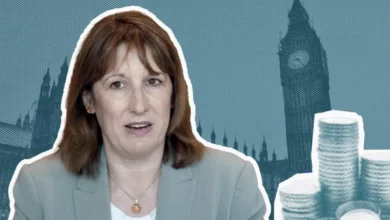
Chancellor Rachel Reeves acknowledged the economy faces an “uncertain world.” She stated the government’s plan is focused on “building a stronger and more secure economy by cutting the cost of living, cutting national debt and creating the conditions for growth,” and has warned energy providers against price gouging during the crisis.
For now, the UK economy is caught in a precarious balance. As Daniela Hathorn, senior market analyst at Capital.com, noted, the flat January GDP “reinforces the sense that the UK economy entered 2026 on fragile footing, even before the geopolitical shock.” The path forward now depends heavily on the duration of a distant conflict and the price of oil.