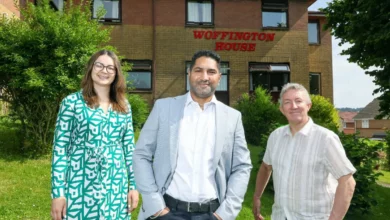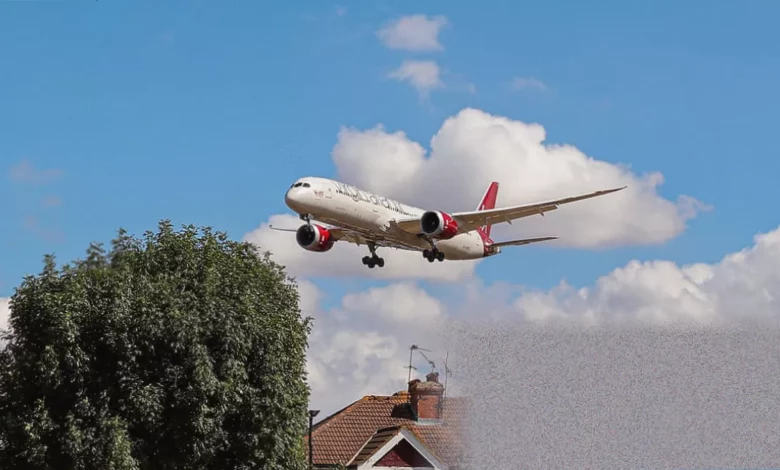
Heathrow’s new chairman, Philip Jansen, has stepped into the middle of a £49 billion dispute over the airport’s third runway, holding talks with airlines and a billionaire local landowner in an attempt to break the deadlock over costs and service standards. Jansen, who took up the role on 1 January 2026, has met with International Airlines Group (IAG), owner of British Airways, Virgin Atlantic, and Surinder Arora, the hotelier who has put forward his own rival £25 billion expansion scheme. The discussions are understood to be aimed at finding common ground before the project, which has been stalled for years, can move towards formal planning approval.
New chairman seeks common ground
Jansen, the former BT chief executive who built a reputation for resolving corporate stalemates, met IAG’s chief executive Luis Gallego alongside Heathrow’s chief executive Thomas Woldbye last week. He is also understood to have held separate talks with Virgin Atlantic and with Arora, who has long accused the airport of “ripping off” passengers, airlines and retailers with high charges. All three parties are part of the Heathrow Reimagined campaign group, which is lobbying the Civil Aviation Authority for fundamental reform of the airport’s regulatory model and a drastic reduction in operating costs. The airlines, including large US carriers, have refused to back the expansion “at any cost”.
A source familiar with the talks said there was agreement on the necessity of a third runway but deep divisions over how to pay for it. “All airlines and their stakeholders agree over the necessity and long-term economic value of a third runway. There are just differing points of view. Airlines want the lowest possible cost, other people want to get involved and think it can be done cheaper. Whatever happens, we are all going to have to work together. There needs to be good relations if we want to re-engineer a way forward.”
Cost and service disputes at the heart of opposition
At the centre of the row is the cost of the proposed expansion and the level of charges already levied at Heathrow, consistently described as Europe’s most expensive airport. Heathrow’s plan, which includes a third runway and new terminal facilities, carries a £49 billion price tag. Airlines led by IAG insist the cost of the runway and associated works must be capped at £30 billion. IAG controls more than 50% of slots at Heathrow, and Gallego has warned that the project “risks causing serious harm to airlines”. Virgin Atlantic has previously withdrawn support for the third runway over high landing costs.
Heathrow had proposed raising landing fees by 17% to £33.26 per passenger for the 2027-2031 regulatory period, and wanted to spend about £9.4 billion on upgrades during that time. In March 2026, the Civil Aviation Authority rejected that plan. Instead, the regulator proposed average passenger charges rise by just 1% to £28.80, 16% lower than Heathrow’s request but 25% higher than the level airlines had sought. The CAA’s decision effectively scales back Heathrow’s planned investment for that period to between £5.4 billion and £6.1 billion. Airlines had proposed an even lower investment plan of about £5.4 billion and wanted charges reduced to an average of £23 per passenger.
The airport has also been criticised for cost overruns on previous projects. A ‘main tunnel’ upgrade cost £342 million against an initial budget of £21 million, and a cargo tunnel refurbishment came in at £213 million compared with a £45 million budget. Heathrow has no intention of waiting for the runway to open before airlines begin repaying costs, and the CAA has already allowed the airport to recoup £320 million in planning and design costs for 2025-2026 — a sum that could add approximately 10p per passenger to ticket prices. Airlines oppose the idea that pre-opening costs should fall solely on incumbent carriers, and have criticised Heathrow’s “regulated asset base” (RAB) model, under which revenue grows as expenses increase.
Surinder Arora’s alternative “Heathrow West” proposal, submitted to the Department for Transport in July 2025, is pitched at “under £25 billion” — less than half Heathrow’s estimate. It features a shorter 2,800-metre runway and a new Terminal 6 west of Terminal 5, and avoids tunnelling or bridging over the M25 motorway, which Arora says makes construction simpler and cheaper. His group estimates the runway could be operational by 2035, with the terminal opening in phases in 2036 and 2040. The CAA has allowed Arora Group to recover £4.3 million in planning costs from airlines.
Beyond the direct runway dispute, the ground-handling sector has raised separate service concerns. Aviation Services UK, which represents companies such as Menzies, Swissport and Dnata, wrote to the aviation minister, Keir Mather, warning that the sector may need a government support scheme similar to the Covid furlough programme if widespread flight cancellations occur this summer due to fuel shortages. The sector, which employs about 30,000 people and manages baggage and check-in services, is remunerated based on planes flying routes. Staff require lengthy security vetting, and the problem of cutting and rehiring such workers became apparent during the pandemic, when shortages caused chaos as airports reopened.
Government throws weight behind expansion
The government has made clear it wants the third runway built. Chancellor Rachel Reeves has pledged that work will begin before the next election, arguing the expansion would unlock growth, boost investment, increase exports and make the UK more connected, potentially creating up to 100,000 jobs. In November, ministers backed a plan for the runway to be up and running by 2035, before Arora’s competing proposal, although Heathrow still needs formal planning approval to start construction by 2029. Reeves said reforms to the planning system and airspace modernisation made the project “set up for success”, and insisted the expansion would be in line with the UK’s climate commitments, citing potential environmental benefits such as fewer planes circling London. Unite the union has urged coordination with investment in sustainable aviation fuel.
Heathrow is owned by a consortium led by the French company Ardian, with sovereign wealth funds from Qatar, Singapore and Saudi Arabia also holding stakes. China Investment Corporation, which owns 10%, is reportedly considering selling its stake over rising cost concerns as the expansion project rolls out — a sign of broader unease among investors about the financial discipline of the scheme. Jansen’s previous form in navigating complex corporate standoffs includes engineering £15 billion in funding to roll out full‑fibre broadband across the UK at BT, and being drafted in as chair of advertising giant WPP, where the chief executive was soon removed as part of a restructuring. A spokesperson for Heathrow said Jansen is “spending time meeting with the airport’s key stakeholders” and that “building constructive relationships with them and especially our airline and commercial partners is essential to deliver our shared goals”.