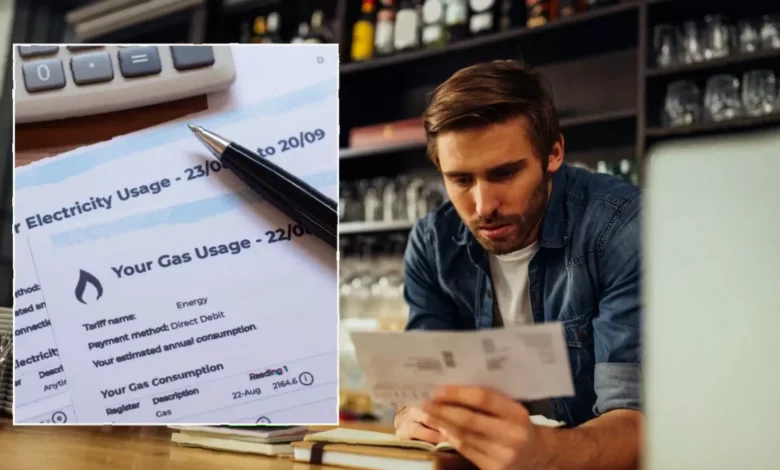
England’s beleaguered hospitality sector, battered by energy bills that have more than doubled for many in just two years, is being offered a new digital lifeline from the government. A scheme that helped 90 pubs, restaurants, and hotels save an average of nearly £2,500 on their annual energy costs is now being expanded to over 525 venues across the country.
The initiative provides free access to an online platform, operated by Zero Carbon Services, which uses real-time notifications to alert owners to wasteful electricity consumption from key equipment like refrigeration units, cooking appliances, and extraction systems. Beyond mere alerts, the tool delivers tailored programmes to change staff behaviour and identify energy waste hotspots.
The results from a year-long pilot were striking. A pub in Bromley cut its overall energy use by 26%, saving £48 a week and around £2,500 a year. A smaller venue in Caterham, Surrey, slashed its overnight energy use by a dramatic 66%, saving over £1,500 annually.
A Sector Under Severe Pressure
This targeted digital support comes against a backdrop of acute crisis for pubs, restaurants, and hotels. Industry body UKHospitality has highlighted that for over half of pubs, energy costs now pose a greater threat to survival than any other operating expense, with some venues seeing bills skyrocket by up to 400% in recent years.
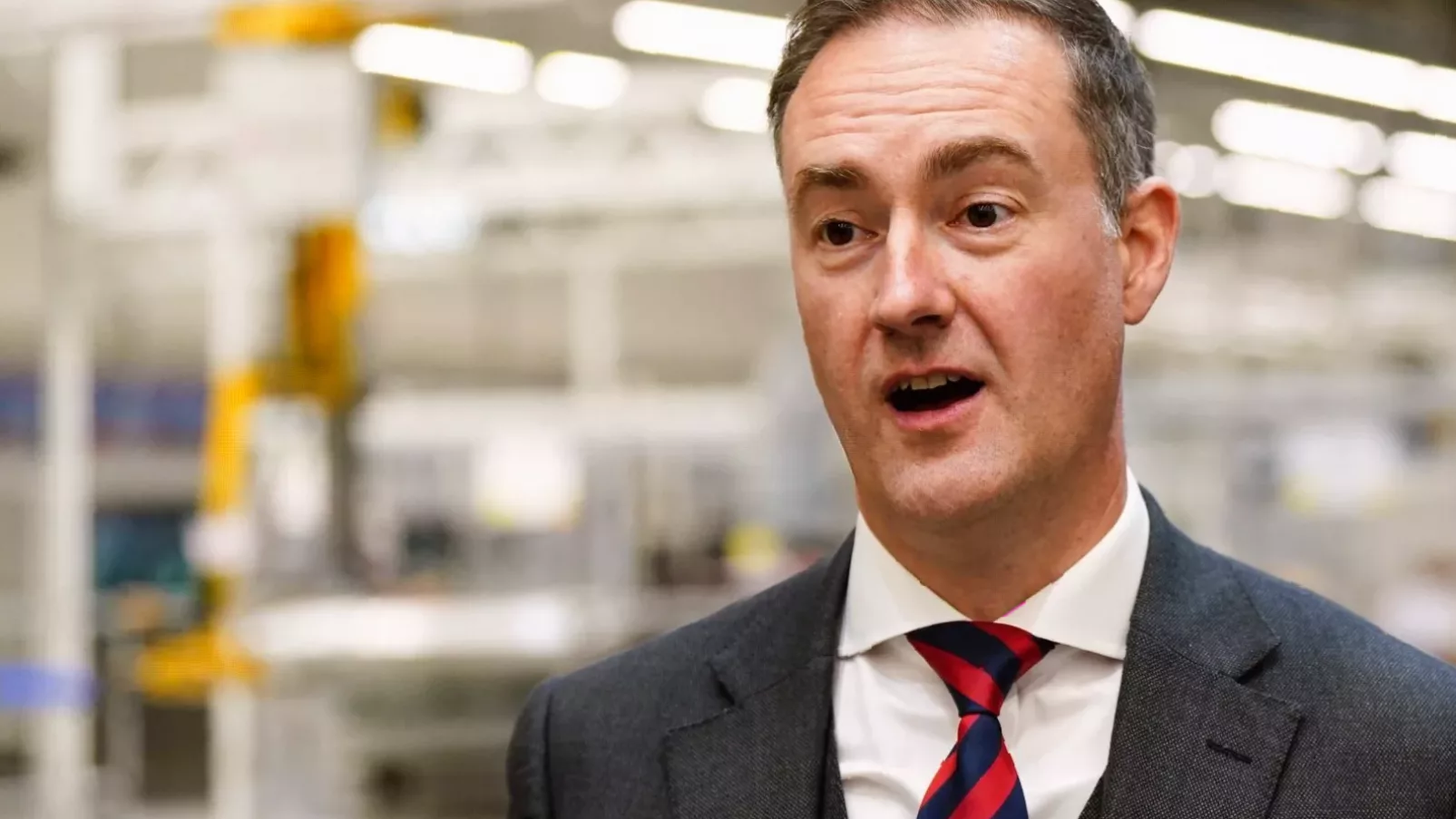
Minister for Industry Chris McDonald, who took up his role in September 2025 after two decades in the steel industry, framed the tool as part of a wider push to bolster the sector. “We’re extending support to help more businesses slash bills and protect Britain’s hospitality sector,” he said. “Our pubs and restaurants are playing a leading role in cutting emissions, which is not only good for the planet but for cutting their costs too.”
For business owners, the savings translate directly to the bottom line. Mark Chapman, CEO of Zero Carbon Services, which received £350,000 in government backing for the project, put it in starkly practical terms: “Saving around £2,000 a year is the equivalent of the profit from selling thousands of pints, or the breathing space that protects hard-won margins during quieter months.”
Broader Government Support and Lingering Tensions
The digital tool is one element of a package of measures aimed at steadying the hospitality industry. In January, Chancellor Rachel Reeves announced a 15% reduction in business rates for pubs for the 2026/27 financial year, a move expected to save the average venue around £1,650. She also committed £10 million over three years to the Hospitality Support Fund, a significant increase from the previous £1.5 million allocated for one year.
However, these interventions have unfolded alongside significant tensions. The broader overhaul of business rates from April 2026 has caused deep anxiety, with hotels and restaurants facing the prospect of sharp increases even as pubs receive relief. Labour has committed to eventually replacing the business rates system entirely to level the playing field between physical and online businesses, a policy welcomed by UKHospitality.
Some publicans’ frustration has been palpable, with reports of Labour MPs being banned from venues in protest at the impending changes. The British Beer and Pub Association has consistently warned of the impact of rising rates on the sector’s viability.

Mark Holden, company director of Inn Cornwall, which participated in the energy tool pilot, struck a more optimistic note about that specific scheme. “Thanks to the energy and carbon reduction tool, we’re already looking to save £5.01 each day from a few easy-to-implement changes,” he said, adding that rolling it out across his other sites could mean annual savings of £5,400. “The Energy and Carbon Reduction Tool is going to help save a lot of family businesses in the hospitality sector.”
The government’s focus on energy efficiency aligns with Labour’s wider manifesto goal of a zero-carbon electricity system by 2030. Meanwhile, separate support for households was announced by Prime Minister Keir Starmer this week—a £53 million package to help heating oil customers, particularly low-income households, cope with price surges linked to conflict in the Middle East.