The European Union’s proposed ‘Made in EU’ industrial policy risks triggering severe disruption to the UK’s £69.6 billion annual automotive trade with the bloc, placing deeply integrated supply chains and the future of electric vehicle production in jeopardy.
Data from the Society of Motor Manufacturers and Traders (SMMT) lays bare the scale of the trading relationship, valued at €80 billion (£69.6bn) a year. The UK is the EU’s single largest export market for passenger cars, with EU exports of vehicles to Britain worth €39.7 billion annually. A further €9.1 billion of automotive components flow from the EU to the UK—a trade volume greater than that with the United States or China. On the other side, over half of all UK car exports are destined for the EU, though British-built cars represent only a small fraction of total European sales.
The ‘Made in EU’ hurdle for UK manufacturing
At the heart of the issue is the EU’s forthcoming Industrial Accelerator Act (IAA). Designed to shield European industry from global competition—particularly from China—the Act introduces a ‘Made in Europe’ initiative. This framework would grant preferential access to valuable incentives for products meeting strict EU content thresholds.

These incentives are crucial for the automotive sector’s transition. They include tax perks and government grants linked to corporate fleet greening programmes, which account for roughly 60% of the EU’s new car market. Most critically, they encompass ‘CO2 super credits’—a financial mechanism that supports companies adopting zero-emission vehicles. As the SMMT warns, the current draft of the IAA excludes the UK, meaning British-built vehicles and components would not qualify for this vital support, putting UK manufacturers at what the trade body calls a “systemic competitive disadvantage.”
The basis for the IAA was heavily influenced by the Draghi Report on EU competitiveness, which highlighted the existential threat posed by Chinese manufacturers who benefit from state subsidies. The EU has already moved to impose tariffs on Chinese electric vehicles, ranging from 17.4% for BYD to 38.1% for SAIC. Tesla, which cooperated with the EU investigation, faces a 21% tariff on cars from its Shanghai factory.
SMMT warns of shared risk and ‘significant harm’
The SMMT is urgently lobbying for the UK to be designated a “trusted partner” within the ‘Made in Europe’ framework. It argues that exclusion would inflict “significant harm” on both economies, disrupt finely balanced supply chains, and ultimately constrain consumer choice while raising prices within the EU.
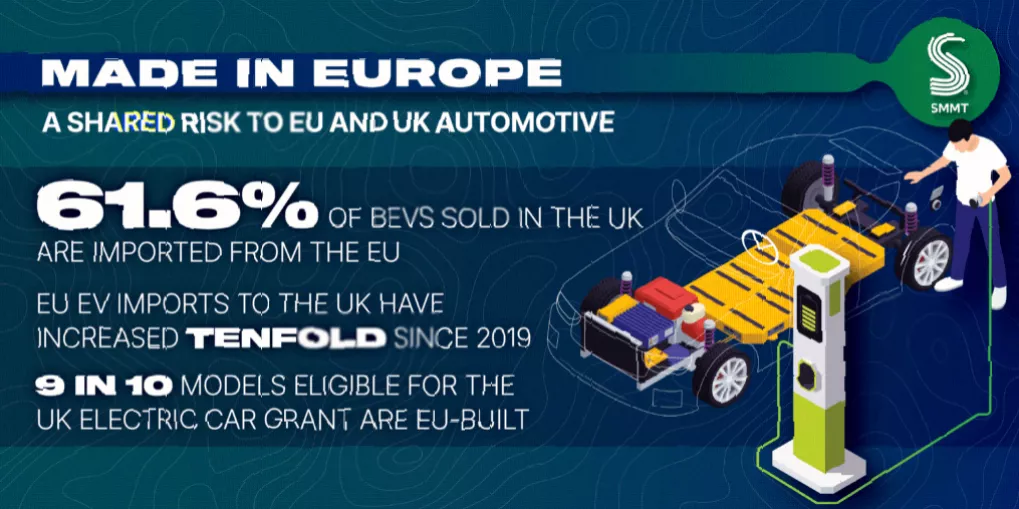
Mike Hawes, chief executive of the SMMT, stated that while the industry overcame the enormous stresses of Brexit, the IAA “threatens to reverse progress, undermining the Trade and Cooperation Agreement all sides worked so hard to deliver.” He emphasised that the ambiguity itself is damaging, creating uncertainty that risks delaying crucial investments in electric vehicle and battery production at a pivotal time.
The trade body contends that the strict eligibility criteria could even represent a breach of the EU-UK Trade and Cooperation Agreement (TCA). Its call for clarity and inclusion is framed not just as a UK concern, but as a necessity for the EU’s own manufacturing resilience and decarbonisation goals.
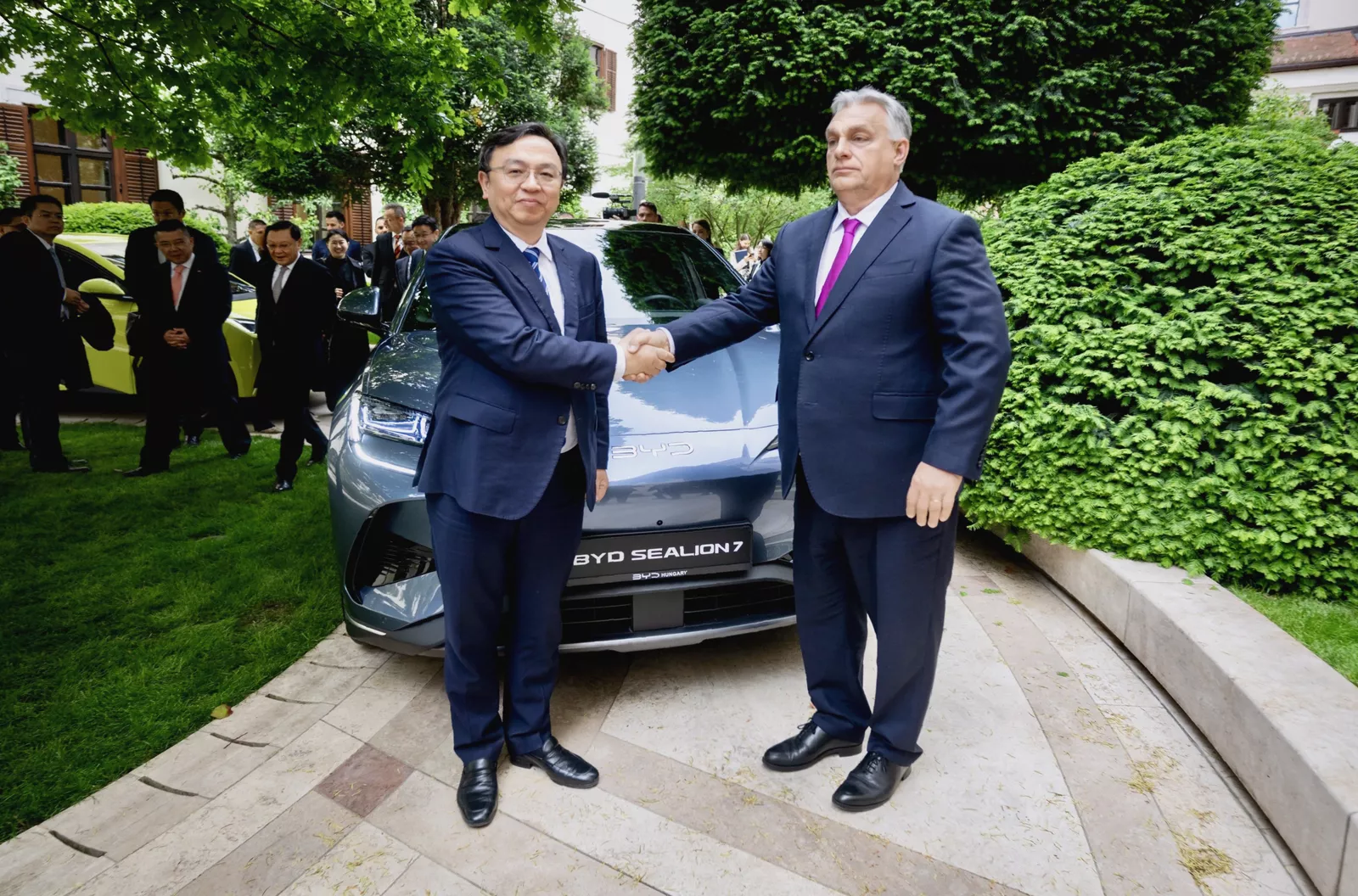
In a parallel development underscoring the global shifts in the industry, Chinese manufacturers are establishing a firmer foothold in Europe. BYD is building a passenger car plant in Szeged, Hungary, with trial production slated for early 2026, while Chery Commercial Vehicles has chosen Liverpool for its European headquarters, focusing on R&D and engineering.
The European Commission added another layer to this complex picture in December 2025 by proposing an ‘Automotive package’ that included revised CO2 standards and incentives for small, affordable EVs assembled in Europe. The definition of what qualifies as ‘made in the EU’ for these new incentives, however, remains undefined, leaving the UK’s status in further doubt.