High street businesses in Nailsea are reporting an accelerating economic decline, with traders and town councillors pointing directly at parking charges introduced last summer as the cause.
The controversial charges at Station Road Car Park, brought in by North Somerset Council in June, have sparked a fierce debate about the viability of the town centre, pitting local business survival against the council’s need for income.
“Our peak time has seen quite a bit of a decline”
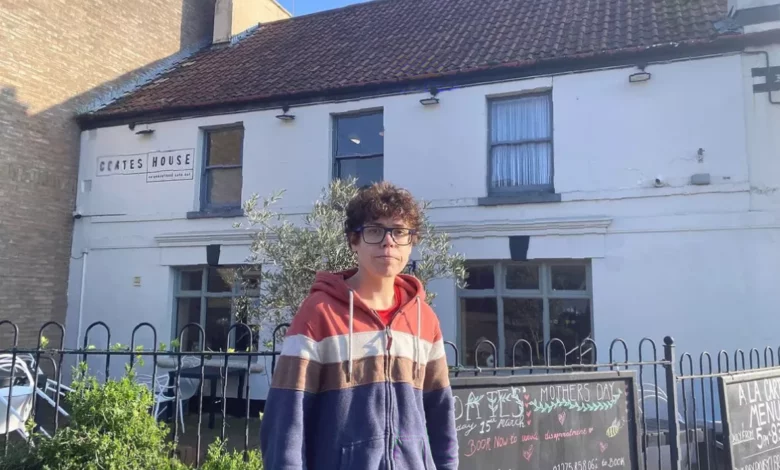
For Emma Lake, who took on the pub-bistro Coates House with Terry Beardshaw in January 2024, the impact has been quantified in stark figures. After working to turn around a struggling business, she says trade dropped noticeably about six to eight months ago—coinciding with the new parking regime.
“Lunchtime numbers have now dropped by half,” she stated. The venue’s busiest periods have shifted entirely from lunchtimes, Fridays, and Saturdays to evenings and Sundays—the only times parking remains free. Even the monthly farmers’ market, once their busiest day, now resembles any other Saturday. Takings on market day fell from £4,200 in November 2024 to £2,500 in November 2025.
The consequences have been operational. Ms Lake told the Local Democracy Reporting Service that Coates House has had to reduce its opening hours. Furthermore, with lower sales, the business is ordering less from its five local suppliers, a claimed knock-on effect harming the wider local economy.
Coates House is far from alone. A survey conducted by Nailsea Town Council, which garnered 87 responses, found that 79% of businesses reported their turnover had been adversely affected. The average reduction reported was between 27% and 29%, with an associated 29% average fall in footfall.
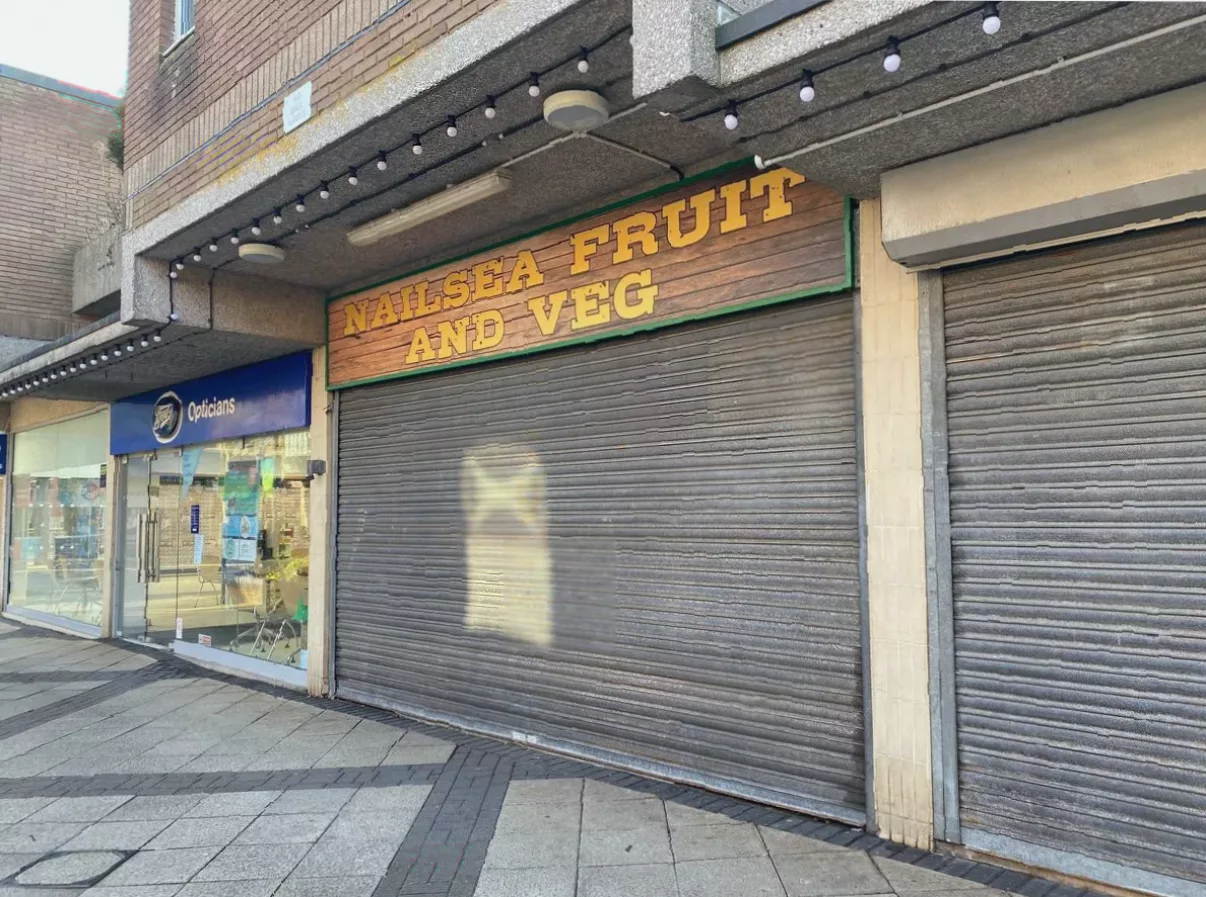
The town has already seen casualties. Nailsea Fruit and Veg has recently closed. Meanwhile, the company that owns May News on Somerset Square is planning to sell the shop if profits do not improve. Ryan Higgs, who works at the newsagents, said business has been “slowly dropping” since the charges came in.
“The parking charges are ruining a lot of shops,” Mr Higgs said, explaining that his older customer base is both unwilling to pay and less able to walk longer distances. “I have never seen this town centre as dead and as quiet and depressing as it is now.”
Clear evidence of harm versus a “more complex” picture
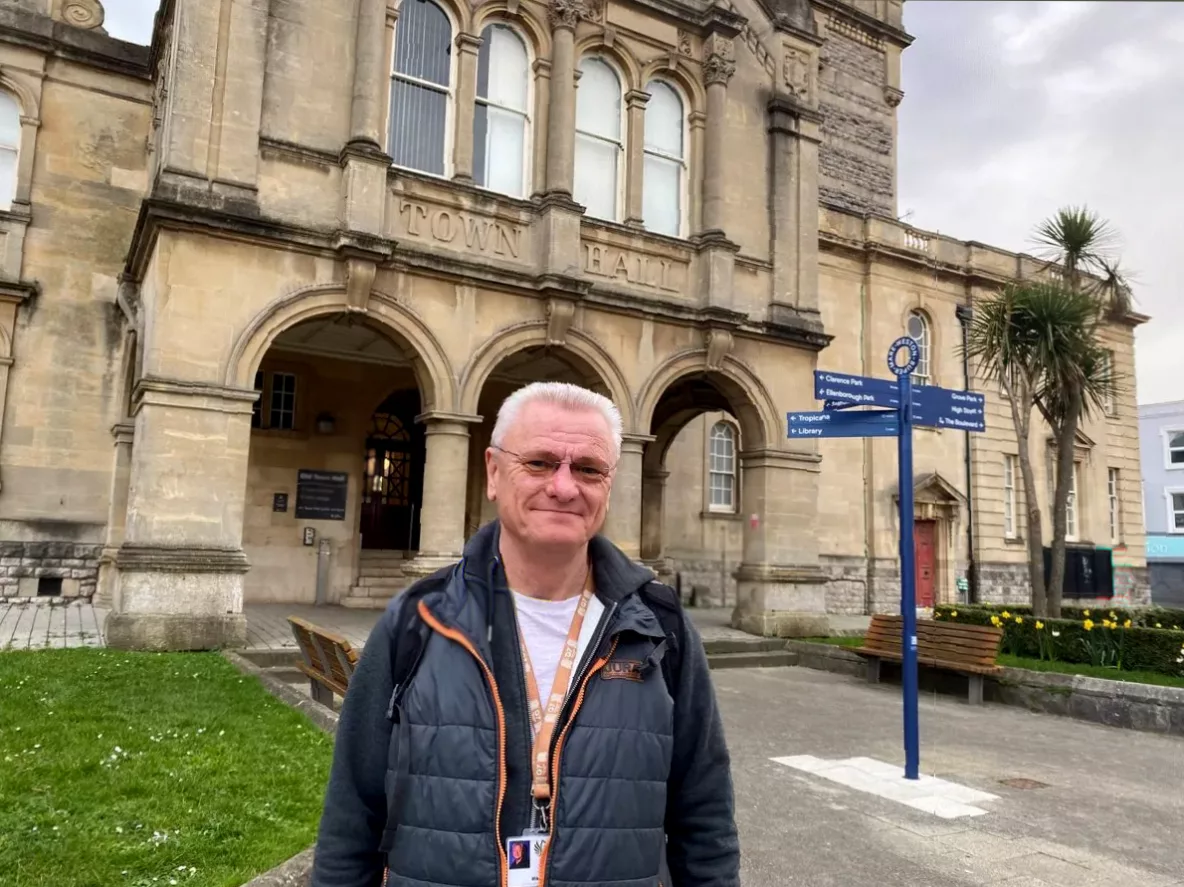
On February 26, the issue reached a North Somerset Council scrutiny committee, where business owner Emma Lake and Nailsea Town Council vice-chair Graham Parsons made impassioned pleas for a rethink.
“It does feel like North Somerset Council do not want small independent businesses to survive,” Ms Lake told councillors.
Mr Parsons presented a town council report titled “Impact of the Introduction of Parking Charges by North Somerset Council in Nailsea Town Centre,” which he said presented “clear and measurable evidence of harm to the local economy.” He acknowledged the council’s financial pressures but argued that “the erosion of a town centre’s viability is not an acceptable way to help plug the gap.”
Rod Lees, chair of Nailsea Town Council, has similarly urged the unitary authority to recognise the impact on employers, citing evidence of falling trade, reduced footfall, and job losses. The town council contends that Nailsea lacks the congestion or air pollution issues often used to justify parking charges and has questioned the financial logic, suggesting the scheme may not even be self-funding.
However, North Somerset Council officers maintained at the meeting that the relationship between parking charges and high street health is “more complex.” The committee was discussing the council’s own six-month review of the Nailsea charges.
Since the charges began, occupancy at Station Road Car Park has fallen to about half full. In response, the council has proposed a trial reduction of the one-hour ticket from £1 to 50p, starting in June 2026. Its stated aim is to “strike an appropriate balance between local calls for low-cost or free short-stay parking to support the high-street and the need to ensure that car parks remain financially self-sustaining.”
Political divide and a warning over business rates
The proposal sparked a tense, hour-long debate at the scrutiny meeting, revealing geographical divides. Several councillors representing Weston-super-Mare—where parking charges have long been in place—resisted the idea that other towns should be spared.
Mike Bird, the independent councillor for Nailsea Yeo on North Somerset Council, criticised the council’s review for considering only parking numbers and not community consequences. He warned that the planned 50p one-hour charge could be counterproductive, encouraging shorter stays rather than the longer visits local shops need.
“We need to be encouraging people to stay longer in the town, not shorter,” he argued, calling instead for the abolition of one and two-hour charges and the introduction of a cheaper three-hour ticket.
Cllr Bird also highlighted a direct financial cost to the council: the closure of Nailsea Fruit and Veg means a loss of approximately £23,000 per year in business rates. “Quickly the losses of business rates could outstrip the so-called profits of these parking charges,” he warned.
Emma Lake echoed the concern about short stays, saying the 50p trial would not help. “They need to look at doing something that will entice people to stay to have a meal and to be able to then go and shop in other local shops,” she said. “It’s Nailsea. It’s not a destination place… So anything that helps people come to Nailsea and spend in the local community is going to help massively.”
The debate unfolds against a backdrop of severe financial strain at North Somerset Council, which recently passed a budget featuring £20 million in cuts and savings and a 8.99% council tax increase, citing reduced government funding and soaring social care costs.
Nailsea’s high street challenges also predate the parking charges. A report from December 2018 noted the town was “becoming a bit of a ghost town,” attributing the decline to changing consumer habits and the rise of online shopping. The current crisis has intensified scrutiny of the council’s decision-making process, with the town council considering a Freedom of Information request to understand how the consequences of the parking policy are being assessed.
With the scrutiny committee’s role being advisory, the final decision rests with the council’s administration, leaving Nailsea’s traders in a precarious wait to see if their calls for a rethink will be heeded.