Two British pubs are closing every day, with 161 venues shutting their doors between January and March 2026, according to new figures from the British Beer and Pub Association (BBPA). The data marks a 26 per cent increase on the same period last year, when 128 pubs closed, and has resulted in the loss of approximately 2,400 jobs – about half of which affected workers under the age of 25.
The closures were not evenly spread across the UK. Scotland suffered the heaviest losses, with 41 pubs shutting, while London saw a net decrease of 17 sites, bringing its total to 3,432. Wales was the only region to record a net gain, with three new pubs opening during the first quarter.
Tax and cost pressures mount
Industry leaders blame a combination of rising business rates, increased employment costs and higher energy bills for driving otherwise profitable pubs out of business. The business rates revaluation that took effect on 1 April 2026, coupled with the removal of Covid-era relief, has triggered substantial increases in rate bills for many venues. Pubs are often valued on the basis of turnover, a method critics say unfairly penalises successful establishments and actively discourages growth.
In response to mounting backlash, the Treasury announced a support package on 27 January 2026, including a 15 per cent reduction in business rates bills from April, followed by a two-year real-terms freeze. The relief is expected to save the average pub an additional £1,650 in the 2026/27 financial year, with around 75 per cent of pubs seeing their bills fall or stay flat. However, trade bodies have argued the package does not go far enough, noting that it excludes other struggling sectors such as hotels and retailers. The BBPA described the measures as “necessary” and “welcome” but said temporary relief cannot offset a system that places a “heavy and uneven burden” on pubs.
Employment costs have also risen sharply. From April 2025, employer National Insurance contributions increased from 13.8 per cent to 15 per cent, and the annual threshold at which employers start paying NICs was lowered from £9,100 to £5,000. UKHospitality estimated that the change added £1 billion in costs for the sector, making 774,000 hospitality workers newly eligible for employer contributions. Alongside this, increases to the National Minimum Wage have further raised payroll bills.
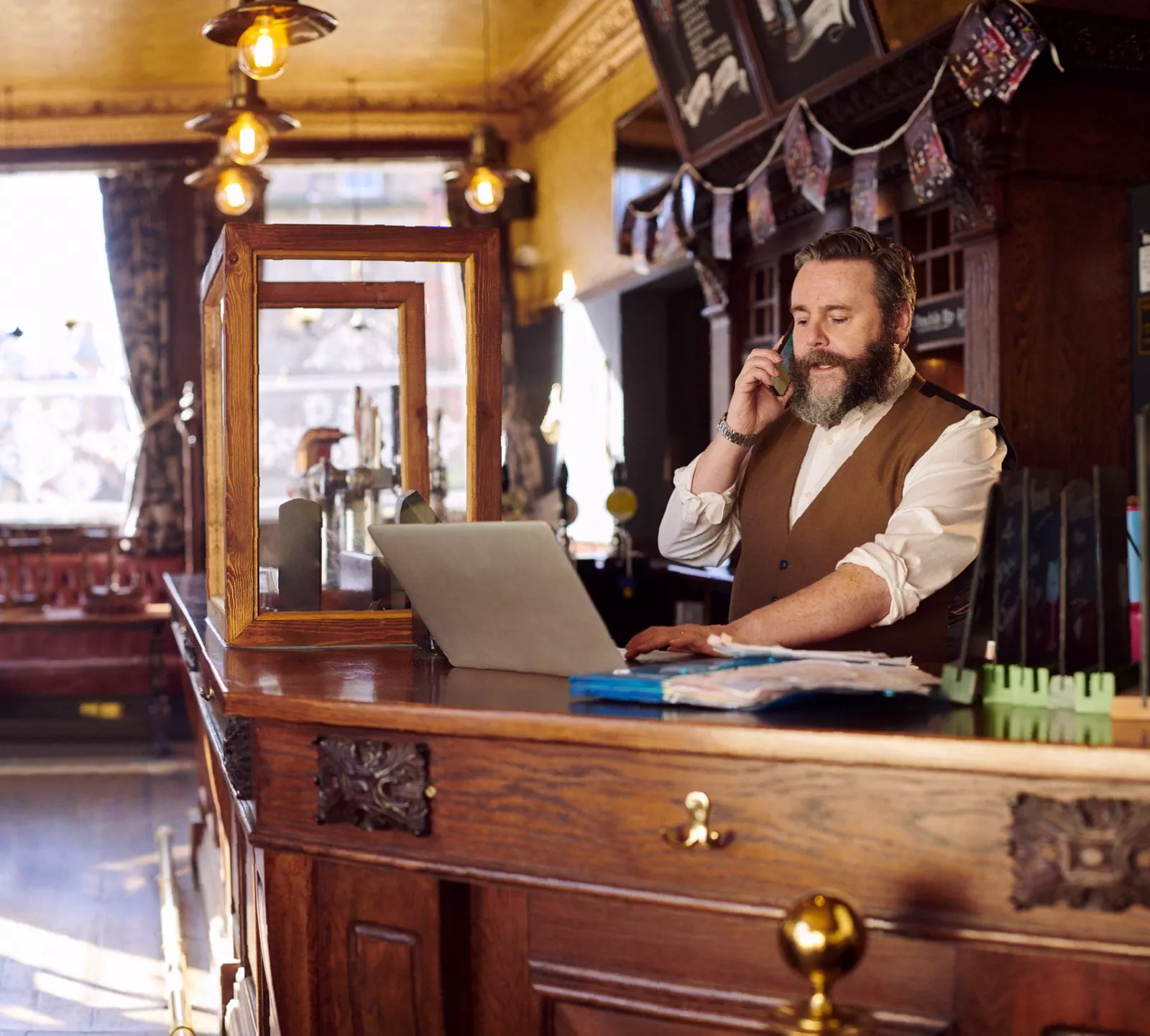
The combined effect has squeezed profit margins to vanishingly thin levels. Analysis suggests that pubs may now retain as little as 3p profit for every £1 spent on a pint in 2026, down from 7p two years ago, despite rising prices at the bar. Emma McClarkin, chief executive of the BBPA, said: “The scale of these closures is avoidable because pubs are doing a brisk trade, but their profits are wiped out by a disproportionate tax burden and huge costs.”
Kate Nicholls, chief executive of UKHospitality, has stated that the trade faces “the highest tax burden in the economy.” The BBPA is calling for permanent, fair business rates reform, cuts to beer duty and VAT, and a reduction in the regulatory burden.
Griffith attacks Chancellor
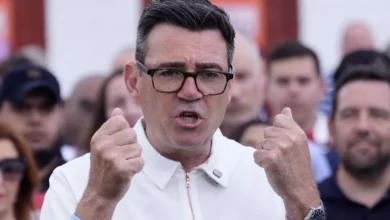
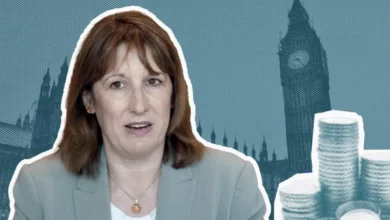
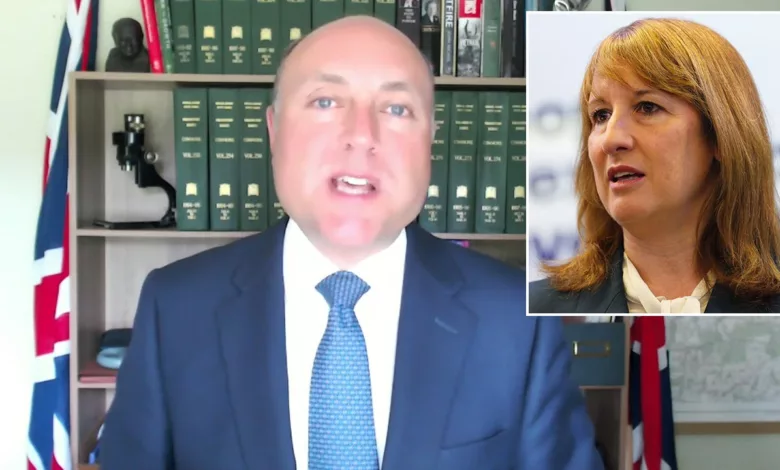
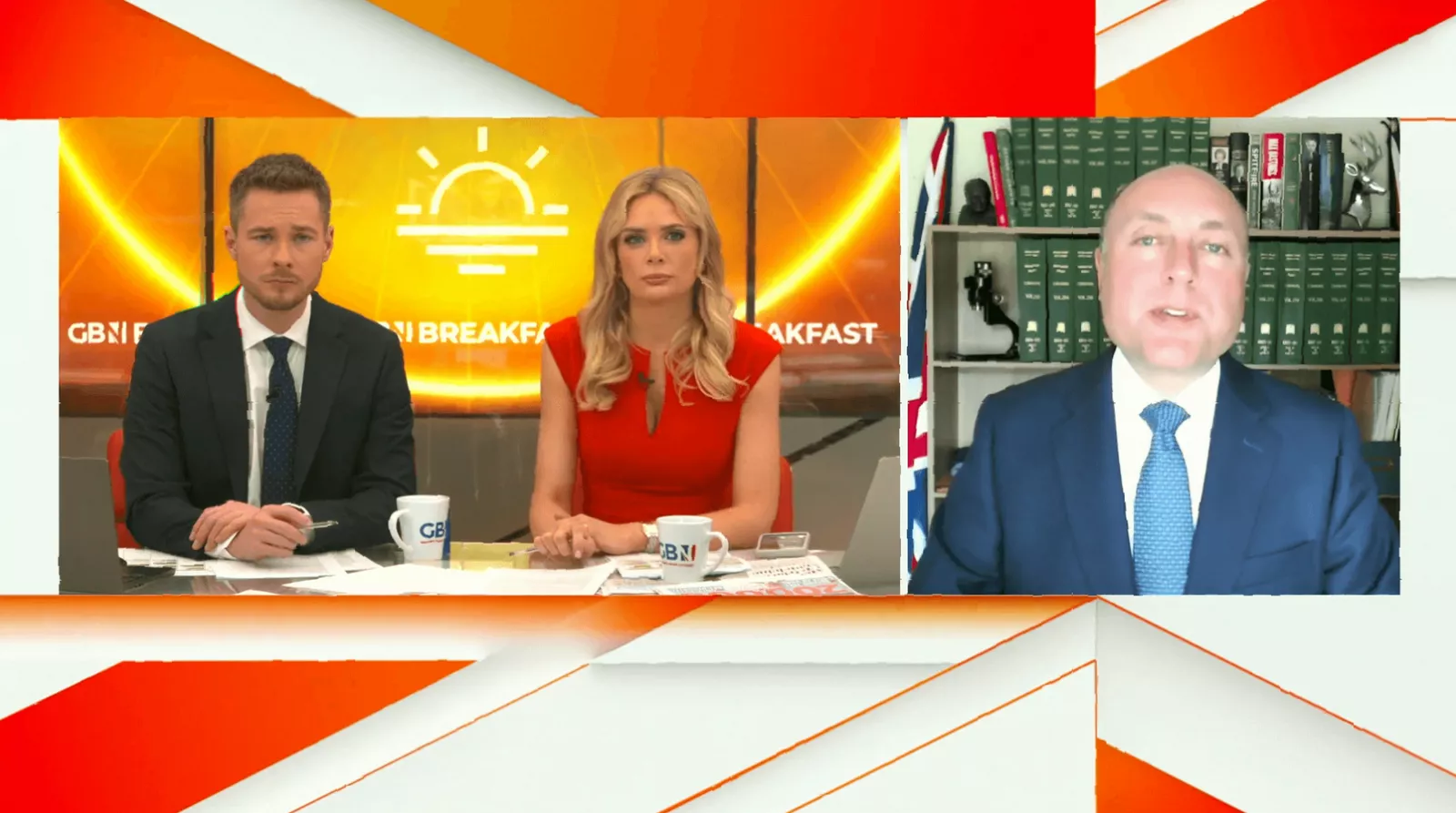
Shadow Business Secretary Andrew Griffith launched a scathing attack on Chancellor Rachel Reeves in response to the figures. Speaking to GB News, he said: “What is it that Rachel Reeves has against the great British pub? She’s piling on more employment costs and jacking up National Insurance, business rates.”
Griffith, who represents a rural West Sussex constituency and is a co-founder of the “Conservatives for Hospitality” advisory group, added that pubs are “right at the sharp end of almost every one of the Government’s policies.” He highlighted the importance of local pubs to his own community and urged people to “come and discover them.”
The Conservatives have pledged to abolish business rates for a quarter of a million of the smallest businesses if returned to power – a move Griffith said would take “most pubs” out of business rates entirely. The party has also proposed easing business rates for high street and hospitality businesses and maintaining lower alcohol duties. Shadow Chancellor Mel Stride has separately accused Labour of planning a “holiday tax” on overnight stays, which he claims would further damage the hospitality industry.
Government defends its record
A government spokesman defended the administration’s approach, saying: “We are backing Britain’s pubs. Cutting April’s business rates bills by 15 per cent followed by a two-year freeze, extending World Cup opening hours and increasing the Hospitality Support Fund to £10 million to help venues grow. Later this year, we’ll also build on our Pride in Place programme with our new High Streets Strategy to revitalise our town centres.”
Labour has committed to replacing the current business rates system with a fairer method and reforming the Apprenticeship Levy. The government has also introduced licensing reforms allowing pubs to open later for Home Nations’ matches in the Men’s FIFA World Cup, and its English Devolution and Community Empowerment Bill includes a new community right to buy, intended to give local people greater power to save community assets such as pubs.