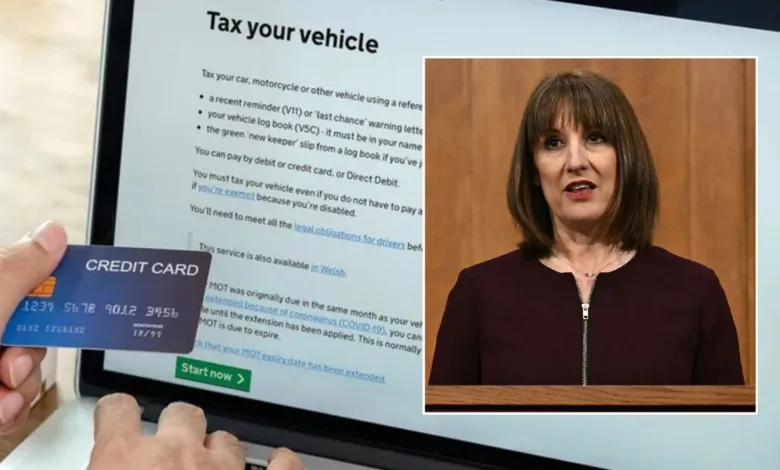
Four in 10 electric car drivers would consider switching back to petrol or diesel if the government introduces a pay-per-mile tax that makes driving more expensive, a major new survey has found.
The findings, from fleet management company Zenith’s EVXperience Report, are based on responses from more than 3,000 electric vehicle drivers across the UK and underline the scale of opposition to the proposed levy, which is due to take effect in April 2028.
The proposed tax and its financial implications
Under the government’s plans, fully electric cars would be charged 3p per mile from April 2028, on top of existing road taxes. Plug-in hybrids would face a rate of 1.5p per mile alongside fuel duty. The new charge, formally known as Electric Vehicle Excise Duty (eVED), is designed to compensate for the anticipated decline in fuel duty revenue as more drivers switch to electric vehicles. The Treasury projects that fuel duty revenue could fall from £24.4bn in 2024/25 to around £12bn by the 2030s.
The government estimates eVED will raise approximately £1.1bn in 2028/29, rising to £1.9bn by 2030/31. However, industry research warns of a potentially larger economic hit. Beama, a trade body for energy infrastructure companies, has suggested that in a worst-case scenario the UK economy could face a £4.8bn shortfall due to reduced EV sales and investment in the clean transport sector, with the Treasury losing an estimated £630m in VAT receipts in 2028 alone from postponed purchases. Trade bodies have described the timing of the pay-per-mile policy as a “fiscal own goal” that will slow EV uptake and reduce investment in charging infrastructure.
The mechanism for the new tax will require drivers to estimate their annual mileage, pay the charge upfront or in instalments alongside existing Vehicle Excise Duty (VED), and then submit their actual mileage at the year-end for reconciliation. Certain vehicle types are exempt from the pay-per-mile levy: electric vans, hydrogen cars, standard hybrid vehicles (those that cannot be plugged in), electric buses, electric coaches, and motorbikes will not be subject to the charge.
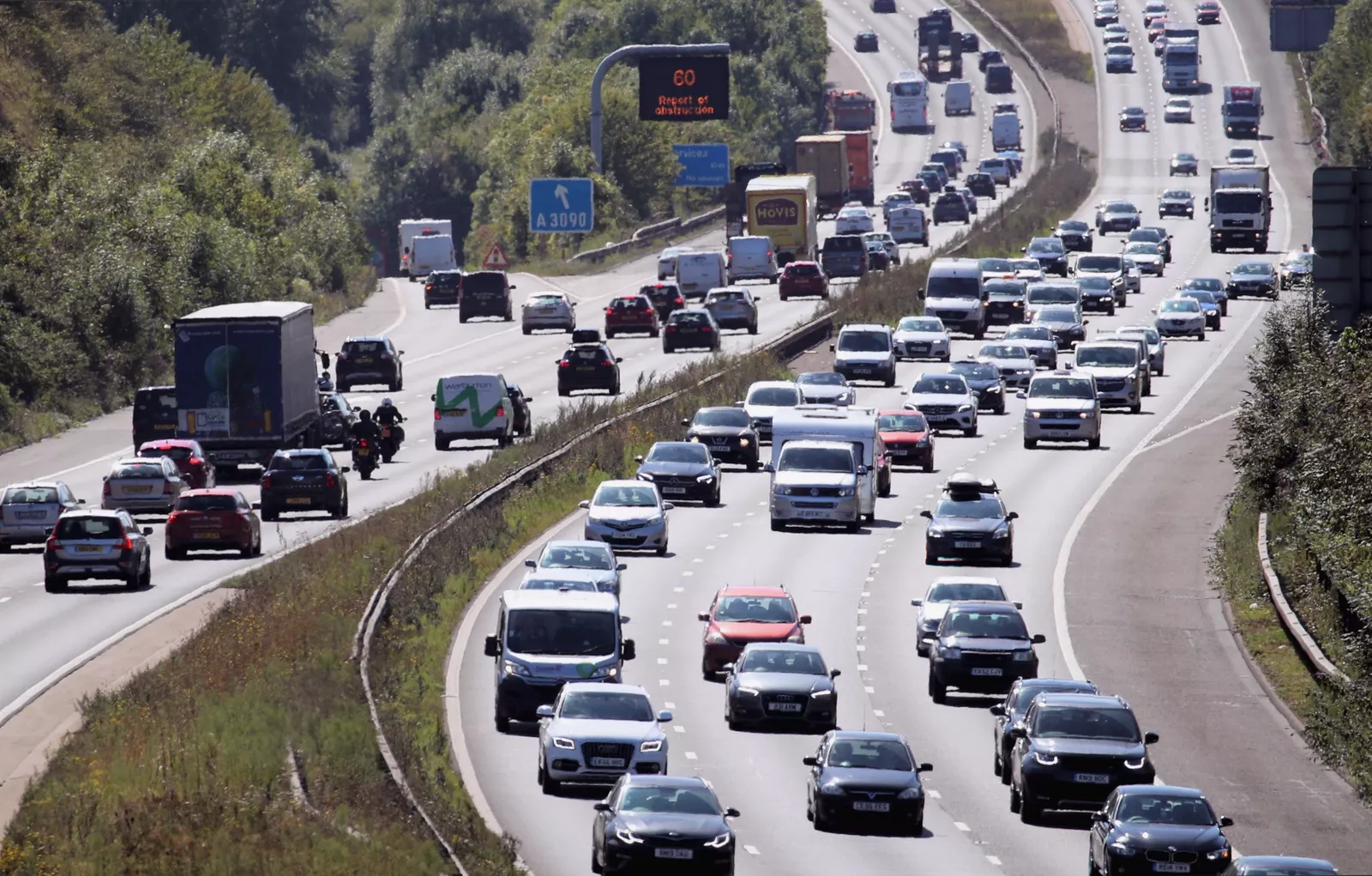
The tax is in addition to VED changes that took effect from April 2025, when electric vehicles lost their long-standing road tax exemption. EVs registered on or after 1 April 2025 now pay £10 in the first year and £200 annually thereafter. Those registered between 1 April 2017 and 31 March 2025 pay a standard rate of £200 per year, while older EVs registered before April 2017 pay £20 annually. An “expensive car supplement” of £440 per year applies to EVs with a list price exceeding £50,000 from the second to the sixth year of registration. The threshold for this supplement was raised from £40,000 to £50,000 for EVs from April 2028, a change the government says will save more than a million EV drivers £440 per year.
Company car tax rates for electric vehicles are also rising gradually, though they remain significantly lower than for petrol or diesel models. For the 2025/26 tax year, the Benefit-in-Kind (BIK) rate is 3%, rising to 4% in 2026/27 and 5% in 2027/28. By comparison, petrol cars can attract BIK rates of 25-37% depending on their emissions.
The government has argued that the tax is a matter of “fairness”, noting that all vehicles contribute to road wear and tear. It has pointed out that the eVED rates are set at approximately half the fuel duty rate paid by petrol and diesel drivers, and has said it is investing an additional £1.3bn in the Electric Car Grant, extending it until 2029-30, which offers discounts of up to £3,750 on eligible cars.
Driver concerns and lack of government support
Despite these measures, the Zenith survey reveals deep unease among EV owners. Almost three-quarters of drivers surveyed said they are worried about how the new levy could affect their finances. The report also found widespread frustration with Labour’s wider approach to net zero and electric vehicle policy. A huge 88% of drivers said the government is not doing enough to support the switch to electric cars. Nearly two-thirds said ministers are failing to provide proper backing for the transition, while another quarter warned “more needed to be done”. Just 6% believed the current level of support is enough.
Zenith said previous incentives, including lower company car tax rates for EVs, had helped encourage drivers to make the switch, but warned that recent policy changes and uncertainty over future taxes are damaging confidence. The government has already faced criticism after delaying the ban on new petrol and diesel car sales from 2030 to 2035, a move the Labour Party has said it intends to reverse by restoring the 2030 ban, with hybrids allowed until 2035.
Andy Wolff, managing director of Zenith’s corporate division, said motorists are receiving “conflicting messages” from ministers. “These findings highlight a clear disconnect between the government’s stated ambitions and the confidence felt by EV drivers on the road, with inconsistent policy undermining trust in the transition,” he said. “Drivers are being offered tax incentives and grants to encourage EV adoption while simultaneously facing uncertainty around future taxation, including proposals such as pay-per-mile charges.” He added that these conflicting messages mean only 15% of EV drivers feel optimistic and confident about the transition to electric vehicles.
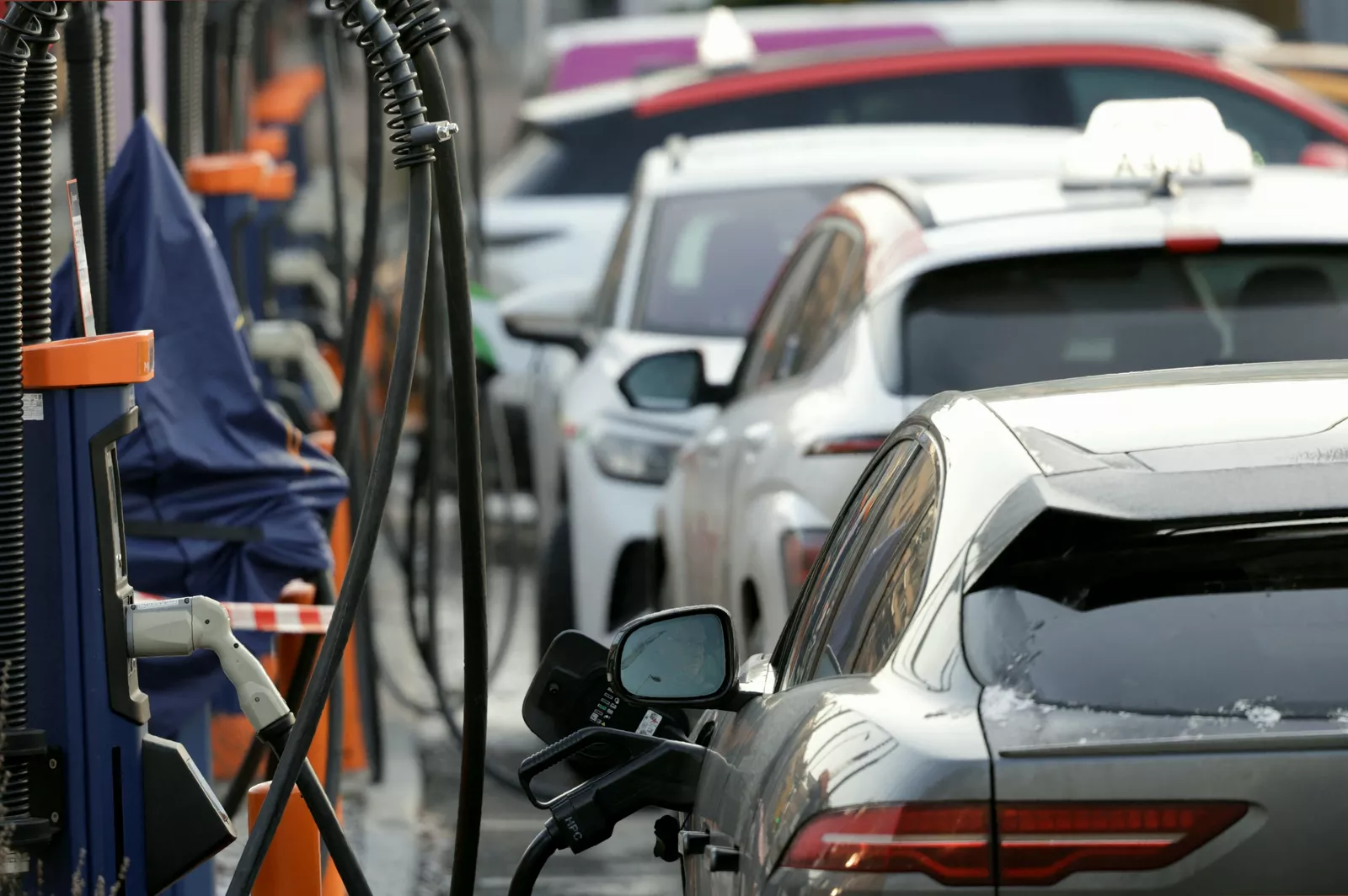
The report also highlights a “driveway divide” that the new tax could exacerbate. With 80% of EV drivers relying on home charging, those without off-street parking who depend on public charging infrastructure face higher costs and lower reliability. Nearly half of EV drivers (48%) said the reliability of public charging points puts them off. Trade bodies have warned that the new tax could disproportionately affect this group.
Mr Wolff warned that progress towards electric vehicle adoption could falter unless ministers provide clearer long-term support. “Without supporting both new and second-hand EV purchasers, there is a real danger that the progress made to date will stall or be reversed altogether,” he said.
Despite the concerns, the survey found that most EV owners remain positive about their vehicles. Nearly three-quarters said their electric car is cheaper to run than a petrol or diesel model. More than six in 10 drivers also said they feel confident predicting their running costs over the next three years, unlike petrol and diesel drivers who continue to face fluctuating fuel prices. Overall satisfaction with electric vehicles rose slightly this year, with drivers giving their EVs an average score of 8.05 out of 10, up from 8.01 last year. The driving experience scored particularly high at 8.84, while safety was rated at 8.53. Satisfaction with battery range also improved to 7.68 after falling in previous years. The report found that 88% of drivers are happy with their EV, and 72% said they would not return to petrol or diesel. Confidence in long-distance travel is also improving, with 70% of drivers comfortable taking EVs on extended journeys.
Zenith, which manages more than 167,000 vehicles across the UK, noted that around half of its fleet is now electric. The company stressed that the conflicting messages from government mean only a small minority of EV drivers feel optimistic about the transition, and that without a clearer long-term policy framework the progress made could be lost.