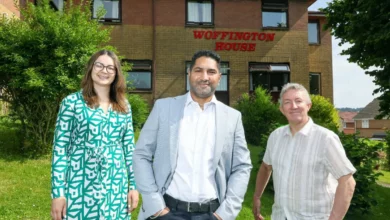
The closure of a prominent Cambridge restaurant and the loss of 14 jobs has become a flashpoint for the UK’s struggling hospitality sector, with a leading boss launching a direct and personal attack on the Chancellor and Prime Minister.
Ian Leigh, managing director of the Thai Leisure Group, has stated that the shutdown of his Thaikhun venue in the city is a direct consequence of recent government policy. In a blistering critique, he held Chancellor Rachel Reeves personally responsible, describing Labour’s approach as “a dagger to our heart”.
The Financial Squeeze: A £850,000 Hit
Mr Leigh laid out a detailed financial case, attributing the Cambridge site’s unviability to two major state-mandated cost increases. He told GB News that employer National Insurance contributions had risen from an average of around 7% to approximately 11% of gross wages, a change he quantified as a £500,000 annual increase for his business.
This was compounded, he stated, by the latest rise in the National Minimum Wage, which added a further £350,000 to the group’s yearly labour costs. The combined increase of around £850,000 year-on-year created a situation where certain locations became unsustainable. “Cambridge was one of those locations,” Mr Leigh said, adding that the closure, while difficult, was necessary for the wider business’s health.
The pressures have forced a broader contraction in staffing. Mr Leigh confirmed the group’s total employee numbers have reduced by 12% since last year, curtailing the entry-level and part-time opportunities often vital for young people entering the workforce.

A Sector Feeling Sidelined
Mr Leigh’s criticism extends beyond specific taxes to a perception that restaurants are being overlooked. He noted that while the Government has announced targeted business rates relief for pubs and live music venues, restaurants were excluded from the support. “There is a sense that restaurants are not always fully included in the conversation,” he said.
This sentiment has been amplified by recent remarks from Ms Reeves’s own entrepreneurship adviser, Alex Depledge, who reportedly stated Britain “does not need any more restaurants”—a comment that drew sharp criticism from industry leaders who feel the sector is being sidelined in policy discussions.
Mr Leigh accused ministers of targeting “young people, part-time people and a sector on its knees” rather than those with greater financial resources, specifically criticising the lowering of the National Insurance threshold. He argued for a VAT cut from the current 20% rate, stating it would allow reinvestment, support jobs, and help keep prices accessible, while levelling the playing field with European competitors.
Resilience Amidst Contraction
Despite the Cambridge closure, the Thai Leisure Group presents a picture of operational resilience and strategic consolidation. The family-owned business, which runs between 16 and 21 restaurants under its Chaophraya and Thaikhun brands, recently reported a significant increase in profitability.
For the year ending January 2025, the group’s turnover was £31.3 million, a slight decrease from £32.5 million the previous year. However, profit after tax rose sharply to £3.4 million, up from £801,901, with fifteen out of sixteen sites remaining profitable.
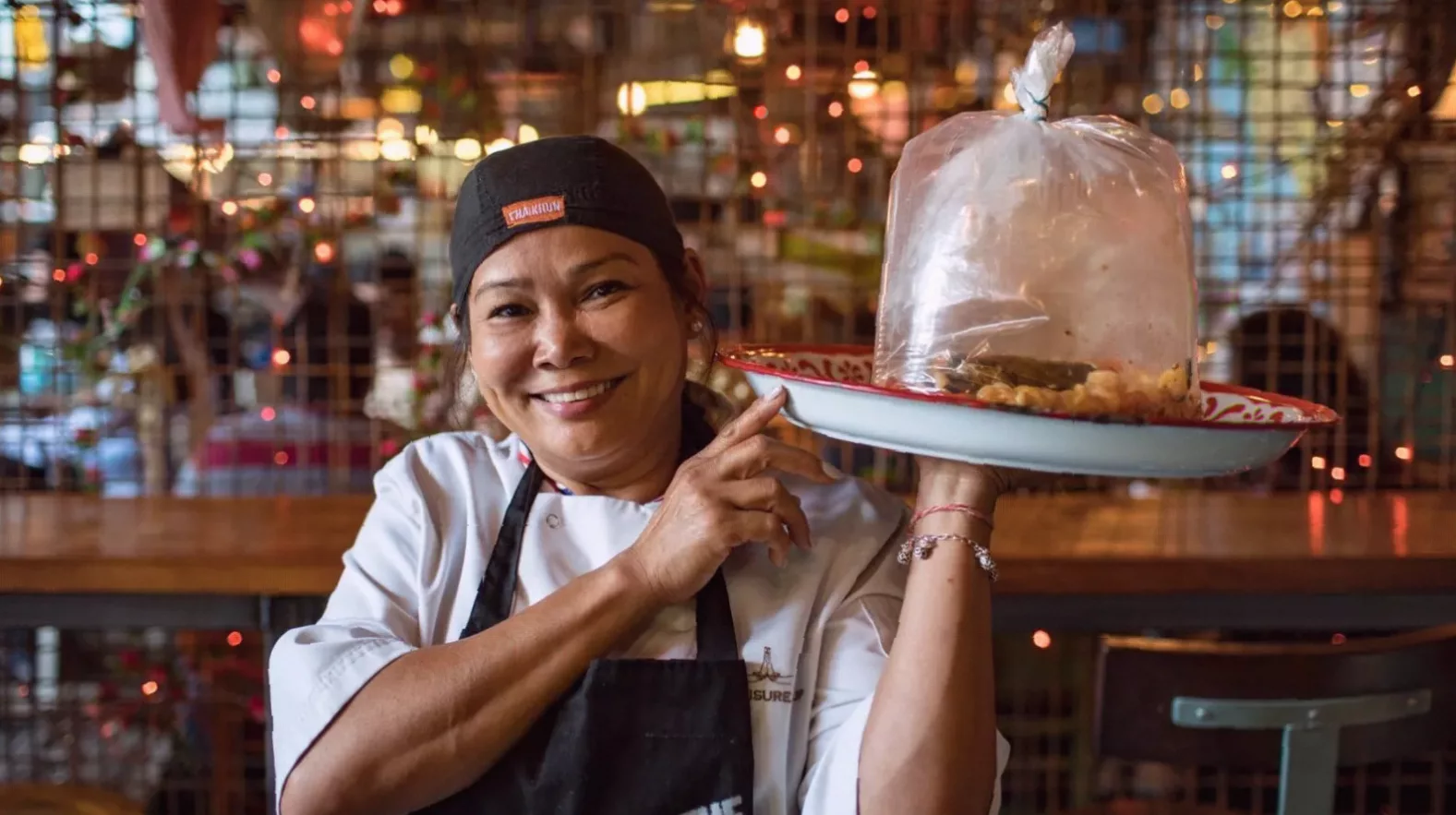
The company has focused on streamlining its operations, consolidating into its two core brands, simplifying supply chains, and implementing efficiency programmes. Having also exited a prior loan agreement to strengthen its balance sheet, the group states it has the financial stability for future growth and still plans to expand both its brands, even as it closes individual sites like Cambridge.
The Perfect Storm for Hospitality
The confrontation highlights the severe pressures facing the wider industry. Sector leaders describe a “perfect storm” of rising costs for energy, food, and labour, colliding with softening consumer confidence and reduced discretionary spending.
Business rates remain a critical concern, with the end of COVID-era reliefs and new revaluations threatening significant bill increases from April 2026. The hospitality sector has seen a sharp rise in job losses nationally, accounting for a substantial portion of overall UK job cuts.
Mr Leigh described the trading environment as “extremely difficult,” with support reducing and rateable value calculations feeling “out of step with current trading conditions.” His final plea was stark: “We’re on our knees here, I’m on my knees. Please listen.”