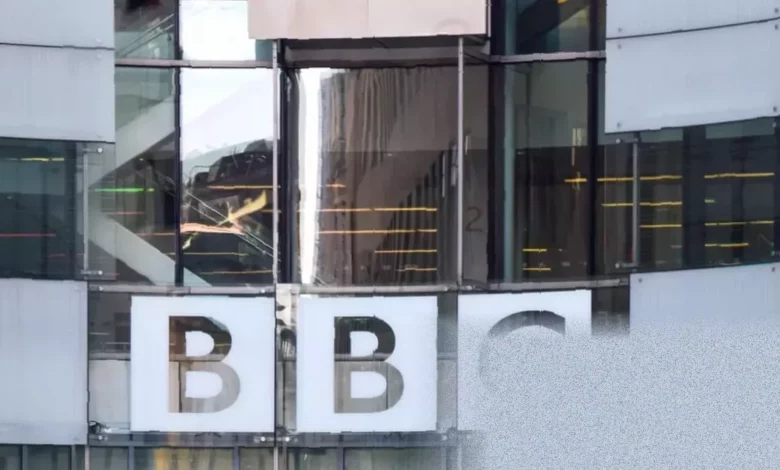
In a world where state-backed media giants are investing billions to shape global narratives, the UK government has moved to bolster its most prominent voice in the information war. The BBC World Service is to receive an increased government grant of £11 million per year for the next three years, a deal ministers say is essential to counter the rising tide of international disinformation.
The Global Information War
Foreign Secretary Yvette Cooper framed the decision as a direct response to a mounting threat. “In a world of rising disinformation, the BBC World Service provides hundreds of millions with journalism they can trust and rely on,” she stated. The scale of that threat is vast. According to recent assessments, state actors such as Russia and China are now spending a combined estimated £6 billion to £8 billion annually on global media, pushing aligned messaging on issues like the war in Ukraine. Meanwhile, the budget and influence of the US Agency for Global Media, which oversees outlets like Voice of America, have faced uncertainty, creating a void that adversaries are eager to fill.
The three-year settlement, announced by the Foreign, Commonwealth and Development Office (FCDO), ends months of intense uncertainty for the broadcaster. The FCDO said the deal would take its total funding for the World Service 42% higher than in 2024-25. A BBC spokesperson welcomed the agreement, saying it “recognises the World Service as a priority and ensures it can deliver trusted, independent journalism to audiences around the world.”
Financial Realities and Strategic Ambition
However, while the deal represents an 8% annual increase on the previous year’s government allocation, its real-world impact is immediately contested. BBC insiders have warned that by the end of the three-year period, the rise will barely keep pace with inflation, meaning effective funding will be flat. This comes against a backdrop of severe financial pressure: the World Service’s total budget has fallen by 21% in real terms between 2021-22 and 2025-26, largely due to reductions in the licence fee contribution which makes up around two-thirds of its funding.
This squeeze has already led to significant cuts. The BBC has implemented savings programmes that resulted in the closure of 19 radio and TV outputs, reducing its weekly audience by approximately 30 million. Outgoing Director-General Tim Davie has previously warned that the UK should be “spending double” on the service to keep pace with rivals like Russia and China. The corporation is continuing to push for the government to resume full funding responsibility for the World Service, a model that existed before a mixed funding structure was introduced in 2014.
A Critical Front: Iran and the Aid Budget Trade-Off
The government has highlighted the service’s role in authoritarian states as a key justification for the funding. Ms Cooper pointed to Iran, where the BBC is banned but, she said, one in four people sought access to it before internet shutdowns in January. Last month, the broadcaster launched an emergency 30-minute daily radio service on medium and shortwave frequencies to reach Iranians, funded from existing resources until the end of March.
Yet this new commitment exists within a stark financial trade-off made by the government. The funding will be formally unveiled as part of a broader announcement on the UK’s much-reduced aid budget. Prime Minister Keir Starmer has pledged to increase defence spending to 2.5% of GDP by 2027, financed by cutting the international aid budget from 0.5% to 0.3% of Gross National Income. This reduction, projected to save billions, will bring UK aid spending to its lowest proportion of national income since 1999.
This context has drawn criticism from some quarters. Sarah Champion, the Labour chair of the Commons international development committee, described the World Service as the UK’s “international superpower,” but has expressed concern that cuts across the aid landscape could come at the expense of the world’s most vulnerable people. Her warning echoes that of the Commons public accounts committee, which last week stated that ministers risked “opening the door to propaganda from hostile states” by allowing World Service funding to be frozen.
Within the BBC, there is a recognition that the settlement, while halting immediate crisis, does not signify an end to challenges. The spokesperson acknowledged that with “intense global competition,” changes would still have to be made to the service. The deal provides stability, but the battle for influence in a fractured information landscape, where the BBC reaches an average of 313 million people weekly in 43 languages, is one that the UK is only modestly resourcing.