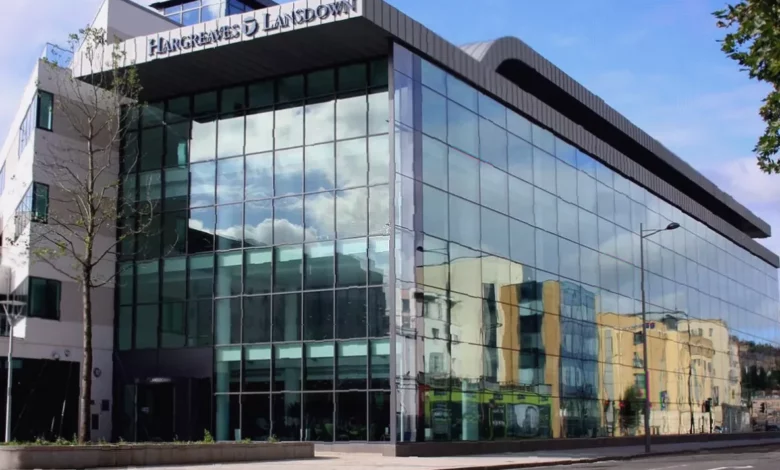
Hargreaves Lansdown, the UK’s largest DIY investment platform, has been plunged into crisis after a major IT failure locked its 2 million customers out of their accounts during a period of acute financial market turbulence. The outage, which began on Thursday evening and stretched into Friday, prevented access to portfolios worth over £170 billion at a critical juncture for investors.
Customers across the country reported being unable to log in, view holdings, or execute any trades via the company’s website or mobile app. The scale of the disruption was starkly illustrated on Downdetector, where problem reports surged from hundreds on Thursday evening to over 800 by Friday morning. Reports were concentrated in London and Manchester, with significant issues also logged in Leeds, Birmingham, Bristol, and Glasgow.
Platform Paralysis at a Critical Time
The timing of the outage has compounded customer anger. It occurred less than two weeks before the end of the UK financial year on 5 April, a peak period for investors managing annual ISA and pension allowances. Furthermore, it coincided with sharp volatility in global markets.
Markets have been rocked by developments in the Middle East conflict, including the bombing of energy infrastructure, causing oil and gas prices to swing dramatically. Geopolitical uncertainty and US tariff announcements have added to the instability. The FTSE 100 dropped to a more than three-month low on Thursday before a partial recovery on Friday, mirroring a difficult month for UK equities.
This volatile backdrop, coupled with mounting concerns over inflation and interest rates, meant many investors were actively seeking to manage their portfolios—a task the platform failure made impossible.
Company Response and Customer Fury
In response, Hargreaves Lansdown issued an apology and sought to reassure customers on security. “There is no evidence of a cyber incident or a data breach,” the company stated, adding that “all customers’ assets and data was secure.” It confirmed the technical issue did not affect asset ownership, the value of holdings, or their safeguarded status.
The firm said it was “working to restore the services as soon as possible” and directed customers requiring urgent support to a dedicated phone line. However, the lack of a specific restoration timeline did little to quell a furious backlash on social media.
Many customers accused the company of a lack of diligence, with some threatening to switch to rival providers. There were widespread calls for the financial watchdog to investigate and questions over whether compensation would be offered. This frustration was heightened by a similar incident in September 2025, when a glitch briefly displayed incorrect account balances, causing panic among investors.
Systemic Concerns and a Company in Transition
The incident raises fresh questions about the resilience of critical digital infrastructure within the UK’s financial services sector. It follows a significant technical glitch at Lloyds Bank earlier in March 2025, which exposed customers to each other’s transaction histories and prompted scrutiny from the Treasury Select Committee.
For Hargreaves Lansdown, the outage represents a major test under its new ownership. The company was acquired by a private equity consortium including CVC Capital Partners, Nordic Capital, and Abu Dhabi’s Platinum Ivy in a deal completed just one year ago, in March 2025.
The platform, which reported a profit before tax of £396.3 million for the year to June 2024, had recently unveiled its first major pricing overhaul in over a decade. The changes, effective from March 2025, involved cutting annual account fees while introducing a new charge for fund trading.
Internally, the firm has been working to improve its complaint handling, aiming to reduce acknowledgement times from up to six days to between 24 and 48 hours. The response to this latest and most severe outage will be a crucial measure of that client-advocacy focus, as the company navigates the fallout from leaving its vast customer base in the dark at a moment of financial consequence.