Patient Experiences
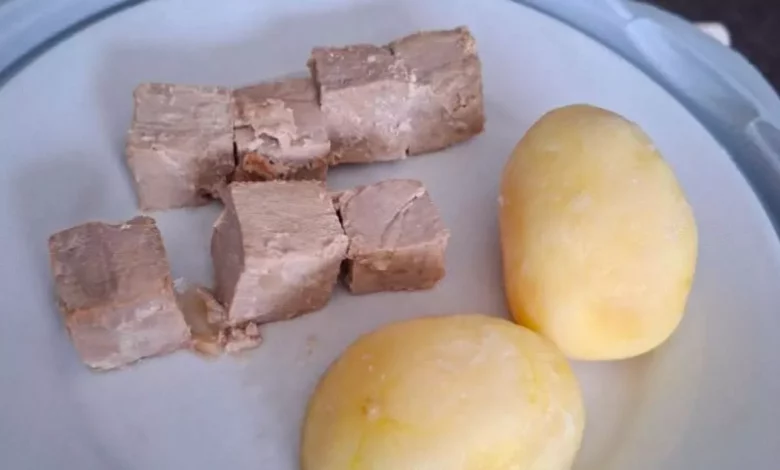
Patients are being served unappetising, cold and undercooked meals in NHS hospitals, with many saying the poor nutrition is delaying their recovery, according to a series of accounts from across the UK.
Jules Stephenson, 50, from Tyne and Wear, spent nearly eight weeks in hospital and said she did not finish a single hot meal. “I tried the jacket potato and it was cold. Then I tried the chicken potato-topped pie, but the grease immediately put me off. The fish was undercooked,” she said. The menu was identical for lunch and dinner each day, leaving her to survive mostly on cheese and crackers unless her family brought in food. “Even the nurses said to complain,” she added.
Writer Laura Abernethy, 33, from London, described the food she received while in hospital to give birth as “stodgy, carbohydrate-heavy food with very little nutritious value”. With a tomato intolerance, she found staff unable to check ingredients because meals came from a central kitchen. She often opted for a jacket potato with cheese as a safe choice but said she was refused both fruit and a low-fat yoghurt at the same meal. “It seemed mad to restrict healthier items when you’re in hospital trying to get better,” she said.
When eight-year-old Toby Knight was treated for leukaemia, his mother Nikki said the lasagne was dry and burnt, the minced beef greasy, the mashed potato rubbery and the pork dry despite being in sauce. On one occasion staff forgot to bring the food trolley to his ward. Toby was “delighted” when he was transferred to Bristol Royal Hospital for Children, which has a kitchen on the paediatric oncology ward where children can choose what they like.
In Scotland, Tina Mur said she loses weight during hospital stays because of a lack of suitable options for stoma patients. She described the food as “very bland, rubbery and reheated too much”, adding that toast is “a standing joke in the wards” – often toasted on only one side or left soggy under foil. Desserts, she said, are processed or ultra-processed. Amy Appleby, who has coeliac disease, went hungry during hospital treatment for skin cancer because no gluten-free options were available, while other patients were offered “rubbery” cheese sandwiches made from white bread.
Social media groups dedicated to NHS food quality are filled with photographs of mushy, sloppy meals and tiny portions. One woman posted a picture of a single jacket potato with no filling or garnish offered to her daughter. Experts estimate that around half of UK hospitals now outsource food preparation, and meals are generally better when hospitals employ catering staff directly, according to nutrition consultants.
Food Waste and Financial Cost
The widespread rejection of hospital meals has driven a significant rise in food waste. NHS England figures show that £1.7 million worth of food was thrown away in 2023‑24, with the total weight disposed of by trusts rising 8.5 per cent from 9,300 tonnes in 2022‑23 to 10,100 tonnes. The cost of uneaten meals increased by £600,000 – a 13.6 per cent rise – between 2021‑22 and 2023‑24, climbing from £1.1 million to an estimated £1.7 million.
According to the Waste and Resources Action Programme (WRAP), every NHS patient produces half a kilogram of wasted food each week, and throwing away food wastes water and creates needless greenhouse gases. NHS England acknowledges that carbon emissions generated through growing, transporting and preparing a meal are entirely wasted when that meal is discarded. The annual cost of hospital food waste across the NHS is estimated at £230 million, with WRAP putting the proportion of waste at around 18 per cent, while The Soil Association’s Food for Life scheme estimates the figure could be as high as 60 per cent in some hospitals.
Reasons for the waste are varied. Inaccurate ordering and over‑production account for a significant share – in systems where paper meal cards are still used, catering staff lack access to patient management systems, making it hard to tally orders correctly. Around 6 per cent of plated food is not eaten because patients are moved, discharged or undergoing procedures, and catering staff often have no real‑time visibility of patient locations. A further 23 per cent of waste arises because patients do not finish their meals, either because portions are too large or the food is unsuitable.
The Environment Act 2021 now mandates separate collection of food waste and makes it illegal to dispose of it via macerators into drains. However, measurement remains inconsistent, with some trusts failing to file returns. While a few hospitals report less than 10 per cent waste, others struggle to keep levels below the target set by health boards in Wales of 10 per cent. In Scotland, commercial food waste must go to a recognised composting facility, and in Northern Ireland waste receptacles for compostable or food waste are coloured brown.
NHS Initiatives and Standards
Concerns over hospital food are not new. As early as 1945 there were references to “dreary monotony” and public bitterness about meals. In 2018, while in opposition, Labour promised new laws to introduce “mandatory minimum standards” for hospital food after analysis found huge variations in spending on meals. Eight years later, however, patients say poor‑quality food is still hampering their progress.
Five years ago, NHS chiefs launched the NHS Chef programme, aimed at raising food standards through training and competitions for caterers. The following year, NHS England issued a set of national standards for healthcare food and drink, covering menu review, nutrition, out‑of‑hours provision and food waste reduction. Despite these efforts, NHS England statistics show that the cost of uneaten meals continued to rise in the two years after the standards were introduced.
Some trusts are taking their own steps to improve quality. Sheffield Teaching Hospital runs a “cook, chill, production facility” that prepares meals from scratch, while Imperial College Healthcare Trust has permanently brought previously outsourced catering processes in‑house – part of a growing movement towards direct employment of catering staff. The NHS Chef of the Year competition recognises excellence and aims to drive improvement across the sector. The Food for Life Served Here accreditation scheme has also been suggested as a way for trusts to improve food quality and sustainability.
Better food is increasingly being viewed as “food as medicine” – an integral part of patient care alongside medication and therapies. UNISON, the public services union, has also highlighted the need for healthy, fairly priced meals for NHS staff, including night‑shift workers, and for adequate break facilities.
Expert Views
Nutrition consultant Kate Arnold, from East Sussex, said: “Food waste is astronomical in the NHS, but is it any wonder when, apart from food safety and calorie content, no thought goes into the quality of food? When you serve ultra‑processed beige pulp, we cannot expect clean plates. Decent food not only helps with morale but could help save the NHS money with speedier recoveries and faster patient turnarounds.” She called for meals to include more vegetables and soups made from scratch. “In 30 years of being a nutritionist, I’ve seen little change, and it’s madness to continue down this path. Food needs to be consistently good to stop the waste.”
While accounts of poor food dominate, some patients have reported positive experiences. Claire Hill, a kitchen painter from Somerset who spent three nights at Musgrove Park Hospital in Taunton in October, said: “I was really impressed – there was lots of choice and it was appetising.” However, others such as Tina Mur and Amy Appleby continue to rely on family and friends to bring in food from outside, highlighting the gap that still exists.
An NHS spokesperson said: “All patients and staff deserve good quality food from hospitals, and the NHS has been working with partners to ensure food offered is nutritious and varied, while reducing food waste by improving waste monitoring, introducing better systems for patients and staff to order their food, and increasing the quality and standard of meals through the NHS Chef initiative.”