Calls for Labour to abandon Motability reforms as thousands confront fresh regulations and charges

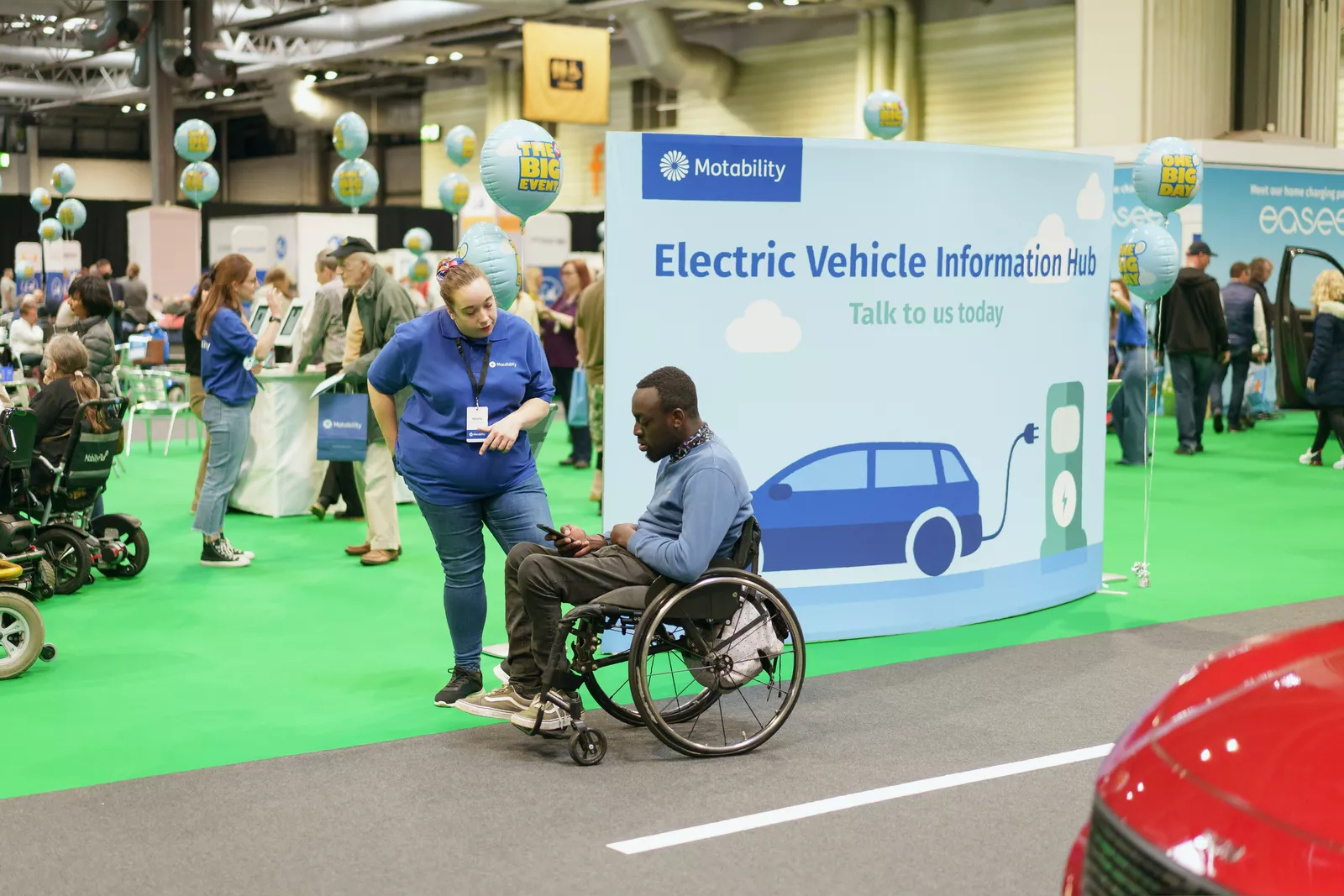
More than 21,000 people have signed a petition urging the Labour government to cancel upcoming changes to the Motability scheme, warning that new tax rules will threaten the independence and finances of disabled drivers.
The fast-growing petition, which has now passed the threshold requiring an official government response, calls on ministers to halt reforms set to take effect from July 2026. Campaigners argue the alterations will make it prohibitively expensive for many of the scheme’s 890,000 users to lease a vehicle, which they describe not as a luxury but an essential tool for daily life.
Campaigners fear loss of independence
The petition states the changes are “unfair to the most vulnerable in society,” warning that many disabled people earn less than average and increased costs could see them struggle to access a car. It highlights that for many users, a vehicle is critical for short journeys where walking is difficult or impossible, meaning mileage “soon adds up.”
Particular concerns are raised for those living in rural areas with limited or non-existent public transport links, where the changes “may potentially take people’s independence away.” Some disability groups have also pointed to a perceived lack of consultation over the reforms.
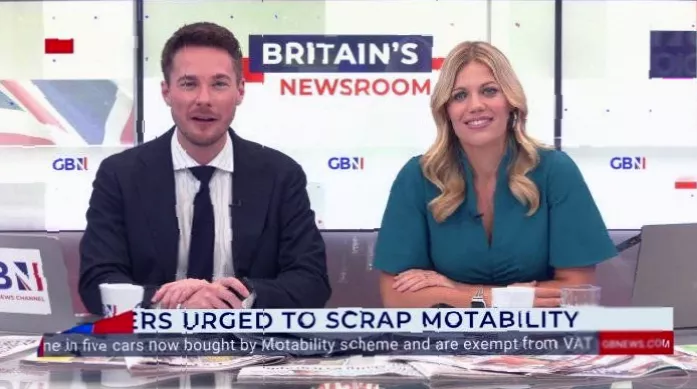
How the new tax measures will increase costs
The financial impact stems primarily from tax changes announced by Chancellor Rachel Reeves in the Autumn Budget of 2025. From 1 July 2026, two key levies will be applied to Motability leases where they were not before.
First, VAT at the standard rate of 20% will be applied to Advance Payments for higher-value vehicles. According to Motability Operations, this will increase the average Advance Payment by approximately £400 over a standard three-year lease.
Second, Insurance Premium Tax (IPT) at 12% will be applied to most Motability insurance contracts, which were previously exempt. The organisation estimates these combined tax changes will cost it around £300 million annually. It states that without implementing other adjustments, the average lease cost would have risen by roughly £1,100.
Alongside the tax changes, a new mileage structure will be introduced. The annual allowance for new leases will be reduced from 20,000 to 10,000 miles per year, or 30,000 over three years. For Wheelchair Accessible Vehicles (WAVs) on a five-year lease, the allowance will be 50,000 miles.

Excess mileage charges will see a sharp rise from 5p to 25p per mile, inclusive of VAT. Motability notes that around three out of four customers currently drive within the new 10,000-mile annual limit, averaging 7,500 miles. However, campaigners fear the lower cap will penalise those who rely heavily on their cars for work, medical appointments, or due to where they live.
Further new limits include an allowance of up to six tyre replacements over a three-year lease, and the introduction of charges for taking a vehicle abroad. Premium brands like Audi, BMW and Mercedes-Benz are being removed from the scheme, with a strategic shift towards British-built cars.
Motability’s defence of the reforms
Motability Operations has acknowledged the impact but argues the changes are vital for the long-term sustainability of the scheme. Chief Executive Andrew Miller stated: “It’s about fixing and maintaining us for many, many years to come.” He said the priority was to “protect what matters most in your lease” and “maintain the good value of the Scheme.”
The organisation points out several protections. Customers with existing leases will not be affected until their agreement ends. Wheelchair Accessible Vehicles and vehicles with significant, necessary adaptations will generally remain exempt from the new VAT and IPT changes due to existing HMRC legislation. A range of 40 to 50 models will continue to be available with no Advance Payment and will be VAT-exempt.

The charitable Motability Foundation has also committed to spending up to £650 million across its activities by 2030, though it is reviewing how its grant programmes can best support users.
The government has defended the reforms, stating they are designed to improve fairness and bring the scheme in line with the wider leasing market while protecting those with the greatest needs. Ministers have suggested some users may switch to cheaper vehicles, while others could leave the scheme if it becomes unaffordable.
The petition will be considered for a debate in Parliament if it reaches 100,000 signatures. A separate debate on transport accessibility for disabled people is already scheduled in the Commons for 26 March 2026.