Government officials actively considered using the national emergency alert system to warn the public during riots that targeted hotels housing asylum seekers last summer, newly released documents reveal.
The consideration followed the mass disorder that erupted after the Southport attack in July 2024, in which three young girls—Bebe King, six, Elsie Dot Stancombe, seven, and Alice Dasilva Aguiar, nine—were murdered. The violence, which government analysis stated was “largely instigated” by far-right groups, spread across northern England and saw mosques, community centres, and asylum accommodation attacked.
The High Bar for a National Siren
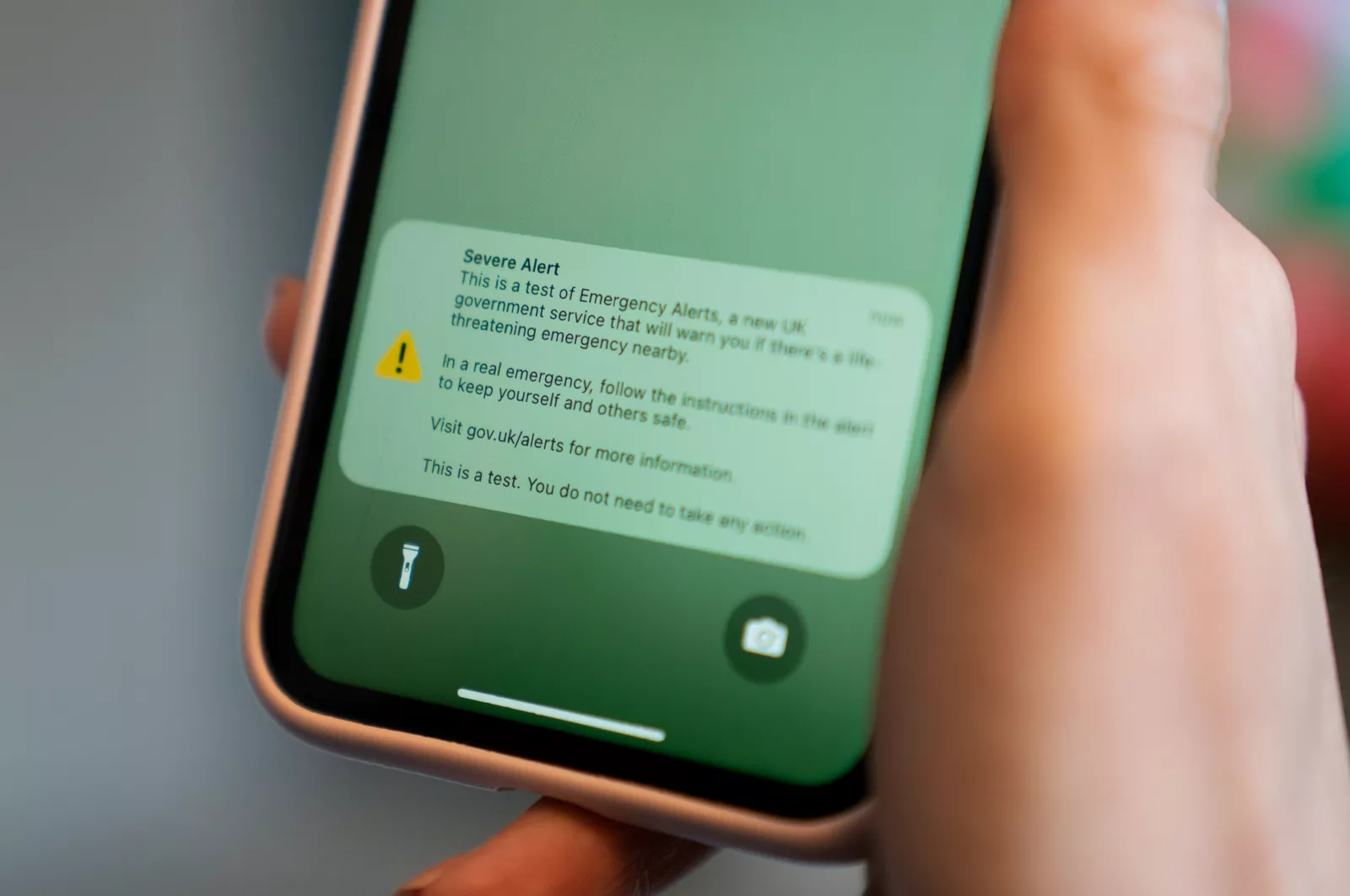
The Emergency Alerts system, launched in 2023, is designed as a last-resort public safety tool. Its purpose is to warn the public of a serious, nearby danger to life. When activated, it overrides mobile phone settings to emit a loud, siren-like sound and display a text message, targeting devices based on their current location.
A government spokesperson emphasised that its activation threshold is “very high and strictly reserved for threats to life,” and that it is “designed to be used sparingly.” The revelation that it was contemplated during the August 2024 riots underscores the severity with which the Cabinet Office viewed the escalating unrest.
The detail emerges from a Freedom of Information (FOI) request to the Cabinet Office by the Press Association, which listed several “near misses”—instances where use of the system was considered but ultimately stood down. The list confirms that “the use of Emergency Alerts was considered during the disorder and unrest which occurred across the UK throughout August 2024.”
Other Scenarios That Tested the System
Among the other notable near misses was a major public health incident in Devon. In May 2024, an outbreak of the parasite cryptosporidium contaminated the water supply in Brixham, causing severe sickness, hospitalising four people, and leaving hundreds ill. Officials considered an alert to issue a “boil notice” to 40,000 people. South West Water has since admitted supplying water unfit for human consumption, with notices affecting 17,000 homes and businesses for up to eight weeks.
In a more unusual case, the Cabinet Office monitored the potential re-entry of debris from a Chinese Zhuque-3 space rocket in January 2026. Weighing approximately 11 tonnes, the debris was larger than usual, prompting precautionary contact with telecoms operators to ensure the alert system was ready. The government assessed a “very low probability” of impact on UK soil; the debris eventually landed 1,200 miles south of New Zealand.
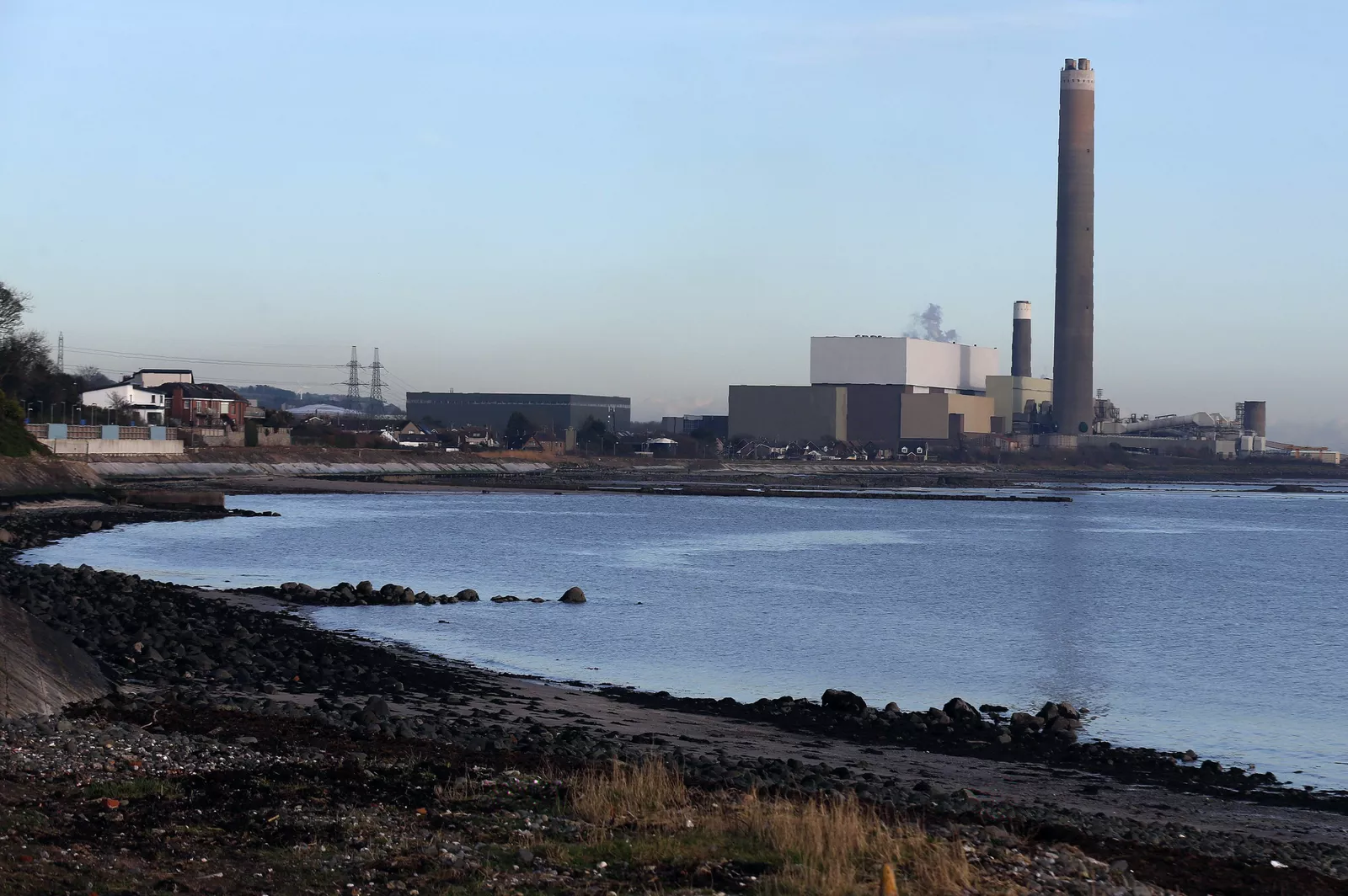
The system was also reviewed during an energy security alert in September 2025. When the Kilroot power station in Northern Ireland neared its annual environmental operating limit of 1,500 hours—due to technical issues at other stations—authorities feared potential outages. The Cabinet Office was made aware and considered an alert, before the Northern Ireland Executive increased the plant’s permitted running hours.
Severe weather events have also prompted reviews of the system. This included widespread flooding in Cumbria, Lancashire, and Greater Manchester in 2025, and during Storm Babet in October 2023. That storm caused exceptional rainfall and winds, leading to at least seven deaths, widespread flooding, and the evacuation of over 10,000 people across Scotland and north-east England.
In response to the disclosures, a government spokesperson told the Press Association: “As the public rightly expects, the government actively considers how to respond to a wide range of potential events.”