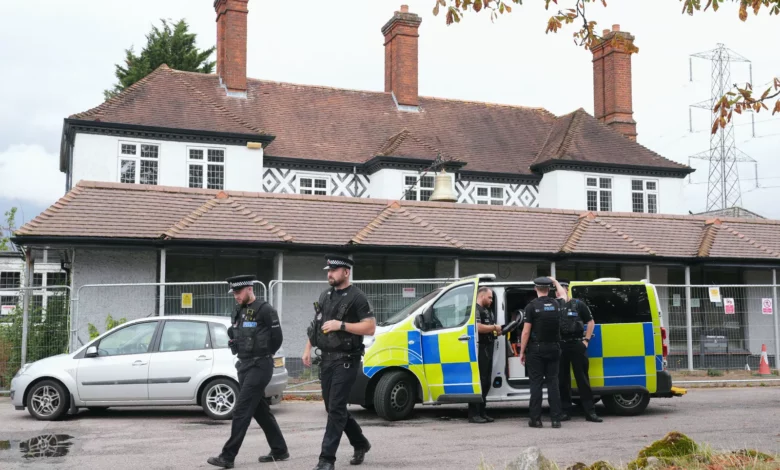
Eleven more hotels used to house asylum seekers are to be decommissioned next week, the Home Office has confirmed, as ministers push forward with a pledge to end the controversial practice entirely.
The latest closures are part of a sustained effort to reduce reliance on what the government terms “asylum hotels,” a system that at its peak in September 2023 housed over 56,000 people. The Home Office states the population in such hotels has fallen by 45% since that peak, saving nearly £1 billion, with the closure of these 11 properties expected to save a further £45 million annually.
Controversial and Costly Accommodation
The use of hotels, which began at scale during the COVID-19 pandemic, has proven both expensive and contentious. Latest government statistics show around 200 hotels remain in use, accommodating approximately 30,000 asylum seekers, while over 70,000 others live in shared housing or sites like former military barracks.
Hotels have become a flashpoint for community tension and far-right protests, often centred on claims of attacks by asylum seekers. The Bell Hotel in Epping became a focal point, with the local council unsuccessfully attempting to block its use through the courts. The High Court ruled asylum seekers could remain, stating safety was a matter for police, a decision with implications for other councils.
Refugee charities have long argued hotels are unsuitable for long-term accommodation, reporting issues from scabies outbreaks to the Red Cross using disaster funds to provide clothing. The financial disparity is stark: the estimated cost per person per night is £144.98 in contingency hotels, compared to £23.25 in standard dispersal accommodation. In the 2024-25 financial year, hotel costs averaged six times more than other asylum housing.
A New £10bn System Aims to Transform Housing
Underpinning the shift away from hotels is a massive new procurement initiative. The Home Office is preparing to award the Future Asylum Contracts Accommodation (FACA), a contract worth approximately £10bn to run from September 2029 to August 2036, with an option to extend to 2039.
The department recently held a private “industry day” for potential providers, requiring attendees to sign non-disclosure agreements. The FACA aims to diversify providers, introduce tougher performance clauses, and explicitly prohibit the routine use of hotels. Asylum seekers are instead to be moved into what the government calls “basic accommodation,” including ex-military sites, larger reception centres, and repurposed properties.
However, senior sources within the current provider companies have expressed concern that fragmenting the contract among more suppliers could embed inefficiencies and ultimately increase costs for taxpayers. The existing Asylum Accommodation and Support Contracts (AASC), initially estimated at £4.5bn over a decade, are now forecast to cost £15.3bn, a rise attributed to the pandemic, increased Channel crossings, and pauses in decision-making.
Funding and the Aid Budget Controversy
The enormous cost of the asylum accommodation system is partly met through a controversial funding mechanism. The Home Office uses a portion of the UK’s overseas aid budget to pay for housing asylum seekers domestically, under rules known as “in-donor refugee costs.”
These costs amounted to around £2.8bn in 2024 and £2.4bn in 2025. In the 2024-25 financial year, £2.22bn of asylum support spending was classed as Official Development Assistance (ODA), drawing criticism from organisations that argue this diverts money from life-saving humanitarian programmes abroad.
The government maintains its overall strategy is to “remove the incentives drawing illegal migrants to Britain” and speed up asylum decisions. The asylum application backlog has fallen below 100,000 for the first time in four years, though the number of people awaiting an appeal has doubled. With the tender process for the multi-billion pound FACA contracts advancing, the long-term shape and cost of housing asylum seekers in the UK is now being set for the next decade.