Ministers are examining ways to ease the burden of student loans after weeks of pressure, the Guardian understands, with the Treasury and the Department for Education actively reviewing options to offer relief to those with Plan 2 loans.
Threshold Freeze at the Heart of the Storm
Central to the controversy is the freeze on the student loan repayment threshold, fixed at £29,385 until 2030. This policy is expected to increase annual graduate repayments by up to £300, and Labour MPs have been lobbying for its reversal. Sources suggest reversing the freeze has not been ruled out and could be credited to an improving economy.
The freeze utilises “fiscal drag”, where rising average earnings and inflation push more income above the frozen threshold, leading to increased repayments. Analysis indicates it could cost graduates an additional £250 per year by 2030, with lifetime additional repayments potentially nearing £10,000. For those earning above £30,416, it might mean an extra £93 in repayments in 2027-28, rising to £259 by 2029-30.
Understanding Plan 2: A “Mis-sold” Debt
Plan 2 loans were introduced for undergraduate courses in England and Wales starting between 2012 and 2023. Repayments are set at 9% of income earned above the threshold, which was originally £21,000 and later increased to £28,470 before rising to £29,385 in April 2026. Graduates have expressed backlash over the “mis-selling” of these loans, with many believing they would not repay until earning significantly higher salaries.
Interest is charged at the Retail Prices Index (RPI) measure of inflation plus up to 3%, depending on earnings. The government itself considers RPI to overstate inflation, and its use is set to be replaced by the CPIH measure from 2030. This interest structure means graduates can face an effective marginal tax rate of 51% on earnings over £50,270 when combined with income tax and national insurance.
With the rise in the minimum wage, it is likely almost all but the very lowest paid graduates will start paying back their loans immediately upon entering work.
Political Reckoning and Cross-Party Pledges
Conservative leader Kemi Badenoch has said her party would change the rate of inflation applied to student loan repayments and has proposed abolishing “real” interest rates on Plan 2 loans, capping interest at RPI. She attacked Labour over the system during Prime Minister’s Questions, calling it a “debt trap” and arguing the Conservatives want to rebalance the economy towards young people.
Prime Minister Keir Starmer responded that the Conservatives “scammed the country” on student loans and inherited a broken system. He said Labour has already introduced maintenance grants and is looking at ways to make the system fairer, though his spokesperson indicated any new measures were unlikely to come at next week’s spring statement.
Other parties have outlined pledges: Reform UK proposes scrapping interest entirely and extending repayment periods, while the Liberal Democrats have suggested debt write-offs for public sector workers after 10 years of service.
Financial Toll and Government Gain
The freeze is seen as regressive, with lower and middle earners expected to pay more over the life of their loans, while higher earners may clear them earlier and pay less interest. The Office for Budget Responsibility estimates the repayment and interest rate freezes will increase government cash receipts by £0.4 billion per year in the medium term and result in a one-off reduction in borrowing of £5.6 billion in 2026-27.
Plan 2 loans are generally considered less generous than older systems, with higher repayments expected. Plan 5 loans, now used for most courses in England, have a lower interest rate than most Plan 2 loans.
Campaigners and Public Backlash
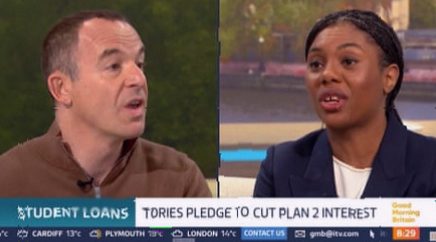
Consumer rights expert Martin Lewis, who met with Kemi Badenoch on Wednesday, has been a vocal critic. He told Good Morning Britain that the threshold freeze would not be allowed for a commercial loan, labelling it a “breach of contract” and “not moral”. He urged Chancellor Rachel Reeves to reverse the decision, arguing the threshold should rise with average earnings and likening the freeze to a “stealth tax”.
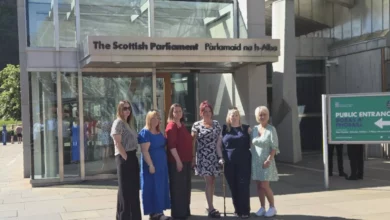
In a Westminster Hall debate, Labour MPs shared personal experiences. Luke Charters, who holds a Plan 2 loan, described the system as a “dogs’ dinner” and called for significant reform. Another MP, Chris Hinchliff, said the government needed to deal with the repayment threshold freeze before the next election.
Public opinion is divided: a YouGov survey indicates 44% believe the government should write off some or all student debt, while 41% think graduates should repay as currently.
Contextually, many argue that for the majority of borrowers who will not repay their full balance within the 30-year write-off period, Plan 2 loans function more like a graduate tax than a traditional loan—a principle often compared to US student loan forgiveness policies regarding debt not increasing while repayments are made.