Millions of British graduates are confronting what they describe as a profound betrayal, as a quiet change buried in last autumn’s budget threatens to significantly increase the cost of their university education. The government’s decision to freeze student loan repayment thresholds has ignited a fierce backlash, with critics accusing ministers of reneging on past promises and effectively “mis-selling” an entire generation on the value of a degree.
The controversy centres on the 5.8 million students who took out “Plan 2” loans between 2012 and 2023. In November, Chancellor Rachel Reeves announced that the salary threshold at which graduates begin repaying their loans would be frozen for three years from April 2027. The threshold, which is currently £28,470 per year, was expected to rise to £29,385 in April 2026 and increase annually with inflation. Instead, it will now remain static until 2030.
The consequence, experts warn, is a stealthy form of fiscal drag. As wages gradually rise with inflation, more graduates will be pulled over the frozen threshold and into repayments earlier than anticipated, while those already repaying will hand over a larger portion of their income. Estimates suggest middle-income earners could face an extra £250 in deductions each year, potentially amounting to nearly £10,000 more over the lifetime of the loan.
A System Under Strain
For many on Plan 2, this freeze is merely the latest burden in a loan system they feel is stacked against them. The core grievance is that the terms have shifted fundamentally since they signed up. When the coalition government introduced £9,000 tuition fees in 2012, it promised the repayment threshold would rise annually in line with earnings. That pledge now rings hollow.
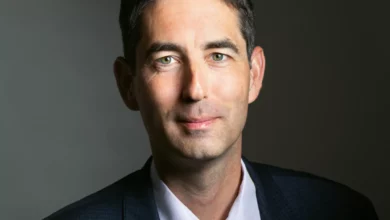
“If a high street bank said [that] … I would say that was possibly an unfair contract,” says Hilary Osborne, the Guardian’s money and consumer editor. She notes that while legislation mentioned the threshold rising, the terms and conditions allowed for regulations to change. “You’re signing up to something that someone might change at any time, and you haven’t got the information to know whether that’s going to be a good or a bad thing. But the only way you can get the loan is to sign it.”
The financial mechanics of Plan 2 loans intensify the sense of injustice. Graduates repay 9% of their income above the threshold, but interest is added at a rate of the Retail Prices Index (RPI) plus up to 3%, depending on earnings. For those earning over £51,254, the interest rate is currently 6.2%. With RPI historically higher than other inflation measures, many see their debt balloon despite making regular payments. The average Plan 2 borrower is projected to repay £56,000 over 30 years—far above the average debt of £45,600 for a student starting in 2022-23.
This relentless growth creates a significant psychological burden. One nurse told the Guardian: “I know that I’ll never pay it all off. But when I see the statement and it’s gone up by more than I’ve paid off, I find that really difficult.” The situation is exacerbated during periods like maternity leave, when repayments pause but interest continues to accumulate.
An Unfavourable International Comparison
Ironically, the UK’s system now appears less progressive than that of the United States, a country often associated with crippling student debt. Under the Trump administration, the US introduced measures including loan forgiveness for public service professions like firefighters, teachers and social workers, monthly debt deductions for parents, and a rule preventing loan balances from increasing while borrowers are making repayments.
“I do think it is really interesting the way they’ve tackled it and I think there are things we can learn,” says Osborne, who is particularly struck by the US principle of stopping debt growth during repayment. She recalls her own shock upon learning that interest accrues even while students are studying. “It just means it feels like you’re always running to catch up.”
The comparison highlights a broader critique: the original argument that higher tuition fees were justified because degrees guarantee well-paid careers has collapsed. “As a country, we’ve moved to a situation where lots of jobs that weren’t graduate jobs, now are,” Osborne explains. “It’s no longer the case that if you’ve gone to university you walk out as a lawyer, or a surgeon – something that’s a guaranteed well-paid career.”
The Search for a Fairer Model
Facing mounting political pressure, Prime Minister Keir Starmer has said the government will “look into” making the student loan system fairer. The issue has gained such momentum that even the Conservative party, which oversaw the creation of Plan 2, is now arguing for a more just system and has proposed reducing the maximum interest rate to RPI only, scrapping the additional 3%.
Other proposals are on the table. The Liberal Democrats advocate for unfreezing the threshold, writing off debt for some public sector workers after a decade, and creating an independent oversight body. Campaign groups like Rethink Repayment propose a lower interest rate tied to CPI inflation, a higher repayment threshold, and reducing the repayment rate from 9% to 5% of income.
However, reforming the system is complex, not least because it creates a generational patchwork. Students starting from August 2023 now fall under “Plan 5”, which has a lower threshold of £25,000 and a 40-year repayment term, but with interest capped at RPI. Analysts suggest these changes could still lead to higher total repayments due to the extended term. Any generosity shown to Plan 2 borrowers would inevitably lead to calls for similar treatment from other cohorts.
Despite the challenges, a reckoning seems inevitable. “It’s got such a head of steam,” observes Hilary Osborne. The fundamental question now is whether the political will exists to recalibrate a system that many believe has gone too far. As Osborne concludes, “If, as a country, we want people to have degrees to do some of these jobs, then we should be picking up some of the tab for it.”