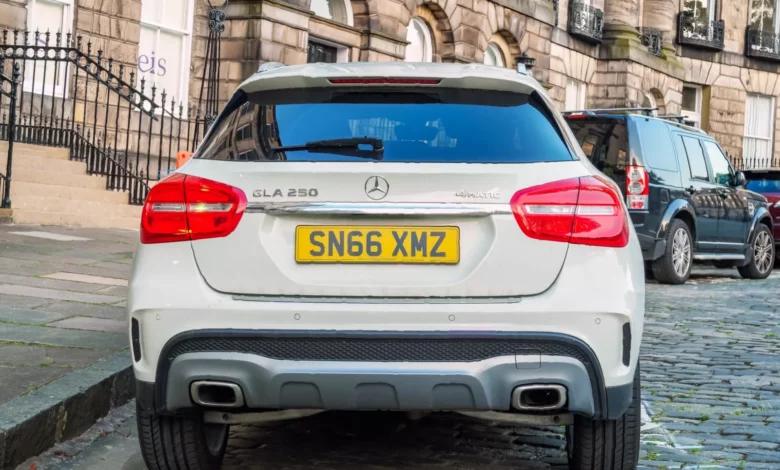
Number plate thefts have more than doubled since 2021, according to figures from the Driver and Vehicle Licensing Agency (DVLA) obtained by Churchill Motor Insurance. The data shows 7,381 incidents of stolen plates were recorded in the UK last year — a 30 per cent jump from 5,683 in the previous 12 months and more than double the 3,376 thefts reported in 2021. Some estimates suggest as many as 27,000 number plates are stolen annually across the country, averaging over 70 thefts per day.
Soaring theft and cloning figures
The problem extends far beyond simple theft. Number plate cloning has also surged, with the DVLA recording 11,394 incidents last year — a 53 per cent rise from 7,430 in 2021. Separate analysis indicates a 41 per cent increase over the past five years, with 10,461 reports in 2024 alone. The first quarter of 2025 saw 3,501 reports, putting the UK on course for more than 14,000 cloning incidents this year if the rate continues.
Police forces have also recorded a sharp rise in the use of “ghost” number plates, which have a reflective coating that prevents them from being read by automatic number plate recognition (ANPR) cameras. The All-Party Parliamentary Group for Transport Safety warned in a December report that as many as one in 15 vehicles may carry plates designed to evade detection. In London alone, ghost plates are estimated to cause £50 million in lost revenue annually from ULEZ, congestion charges and parking penalties. Organised crime groups are increasingly using these plates to move around undetected, the research found.
How criminals exploit number plates
Criminals steal or clone number plates for a variety of illicit purposes. A primary motivation is to avoid detection by police cameras and to accumulate traffic or parking fines, congestion charges and toll fees without consequence, with penalties sent to the owner of the original vehicle. Stolen or cloned plates are also used to disguise vehicles involved in serious crime, including robberies, burglaries, drug trafficking, ram‑raiding and fuel theft. Criminals often photograph legitimate plates in car parks, on driveways or on the road, then create counterfeit plates matching the make, model and colour of the victim’s vehicle to disguise stolen cars. Ghost plates, which cost around £30 to produce, present a particular enforcement challenge because they are inexpensive and easy to obtain from unregulated suppliers.
Whereas plate theft is usually noticed quickly, victims of cloning may only realise something is wrong when traffic or parking fines start arriving in the post. The burden of proof often falls on the vehicle keeper to demonstrate they were not involved in an offence.
The toll on victims
Victims of number plate theft or cloning face a distressing ordeal. They often receive speeding tickets, parking fines, toll charges and congestion charge notices for offences they did not commit. Clearing their name can involve lengthy and stressful processes of challenging penalties and proving their innocence. In some cases, innocent drivers have faced legal action, vehicle seizure, or unexpected increases in their insurance premiums. There is also a risk of identity fraud, with criminals potentially using stolen plates for financial crimes or to impersonate a vehicle.
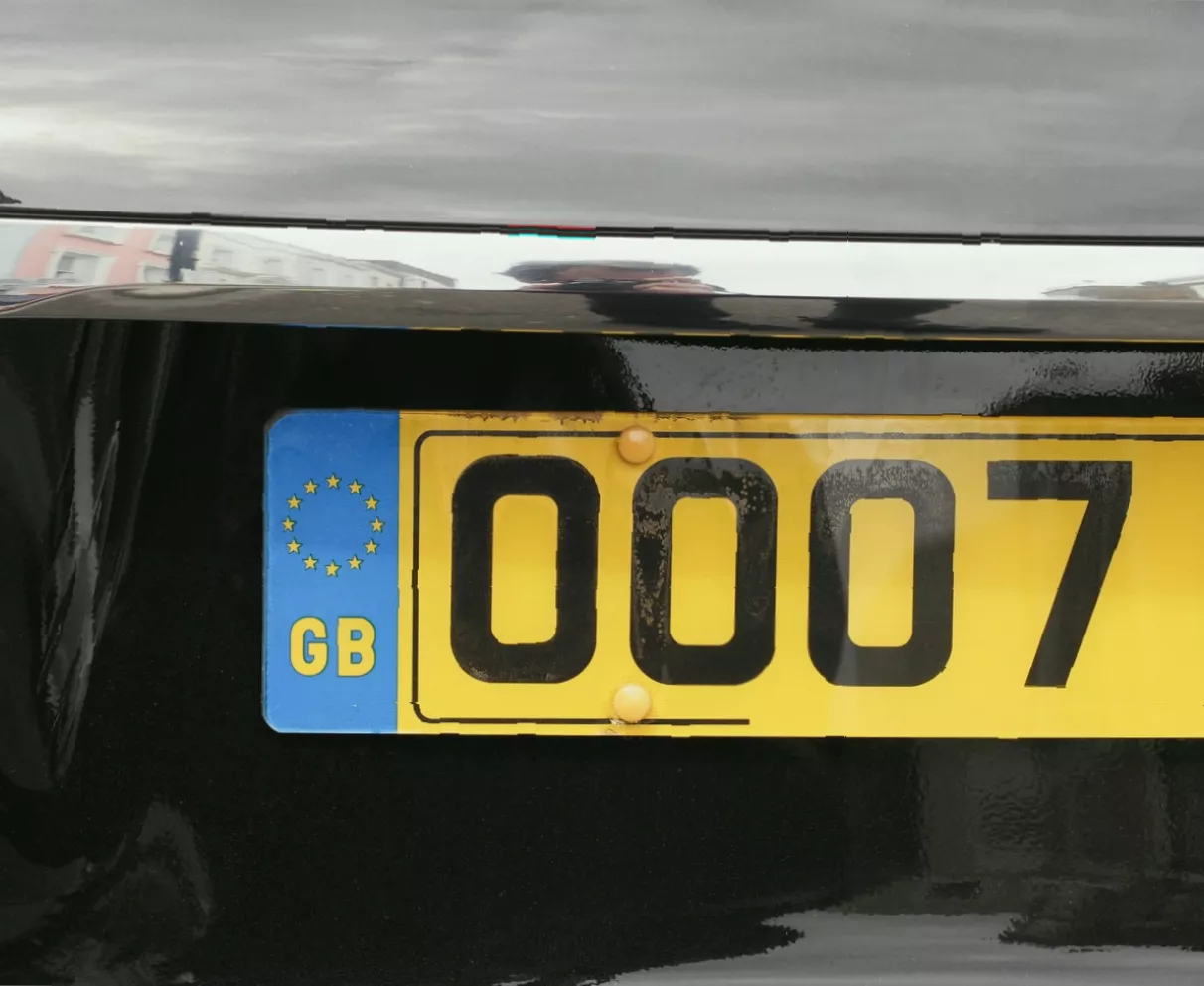
Kevin Mead, head of Churchill Motor Insurance, said: “It’s concerning to see that reports of stolen and cloned [number plates] are increasing so rapidly. It’s a worrying trend that continues to cause significant stress and disruption for innocent drivers who are left dealing with months of inconvenience as they try to challenge penalties and clear their name.”
Drivers are advised to use tamper‑resistant, anti‑theft or one‑way screws for number plates, as these require specific tools for removal. High‑strength adhesive pads can also create a stronger bond. Parking in well‑lit, busy or secure areas reduces the risk. Anyone whose plate is stolen or who suspects cloning should report it immediately to the police, inform the DVLA and alert their insurer, obtaining a crime reference number. Mead urged: “Swift action is essential.” Motorists should only purchase plates from DVLA‑registered suppliers, who are mandated to check proof of identity and entitlement to the registration number, and should avoid posting pictures of their vehicle online where criminals can copy registration numbers.
Knowingly using a cloned plate can result in fines of up to £1,000, potential imprisonment for up to two years for fraudulent use of a registration mark, vehicle seizure, and penalty points. Driving without a number plate is illegal and can lead to fines of up to £1,000.
Calls for stronger regulation
The British Number Plate Manufacturers Association, which represents companies producing the vast majority of plates in the UK, has called for tougher regulation of the sector. It warned that many suppliers have not registered with the DVLA, as required by law, and are not following its requirements. Under the Register of Number Plate Suppliers scheme, manufacturers and suppliers must pay a fee, check customer identification and proof of entitlement, and maintain records for three years. Failure to register can result in fines of up to £5,000. Number plates must also conform to British Standard BS AU 145e, which dictates specifications for materials, reflectivity, durability and markings; non‑compliant plates can lead to fines of up to £2,500 and a ban from supplying plates.
Despite these regulations, enforcement remains minimal. Between 2020 and 2024, the DVLA conducted only 496 investigations into cloning, averaging just 1.15 per cent of reported incidents. The All‑Party Parliamentary Group for Transport Safety has described the current system as a “gaping hole” in security and policing infrastructure, advocating for a wholesale revision of the registration plate system. Police forces are trialling devices such as the “Nightfox Whisker” to identify ghost plates and issue on‑the‑spot penalties, while advanced analytics platforms like SenseTrace AI are being developed to detect “stealth” plates in real time by integrating with existing ANPR networks.