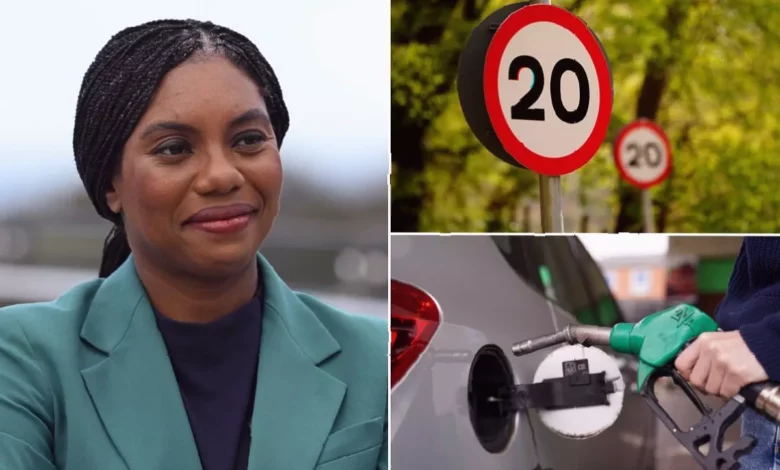
The Conservatives are pledging to scrap blanket 20mph speed limit schemes and abandon the 2030 ban on new petrol and diesel cars as part of a new “Plan for Drivers” unveiled by party leader Kemi Badenoch. The package, which the party says is designed to reverse what it calls Labour’s war on motorists, also includes maintaining the 5p fuel duty cut and a major push to repair the country’s crumbling roads.
Badenoch confirmed the plans in a statement that accused the Labour government of treating drivers as a “cash cow” through fuel duty, 20mph roads and the looming ban on internal combustion engine vehicles. She said: “Keir Starmer wants to make drivers’ lives as difficult as possible. The Conservatives are different. We understand that hardworking families and businesses need their cars, and we have a plan to ensure we get Britain moving again.”
Scrapping ‘blanket’ 20mph zones
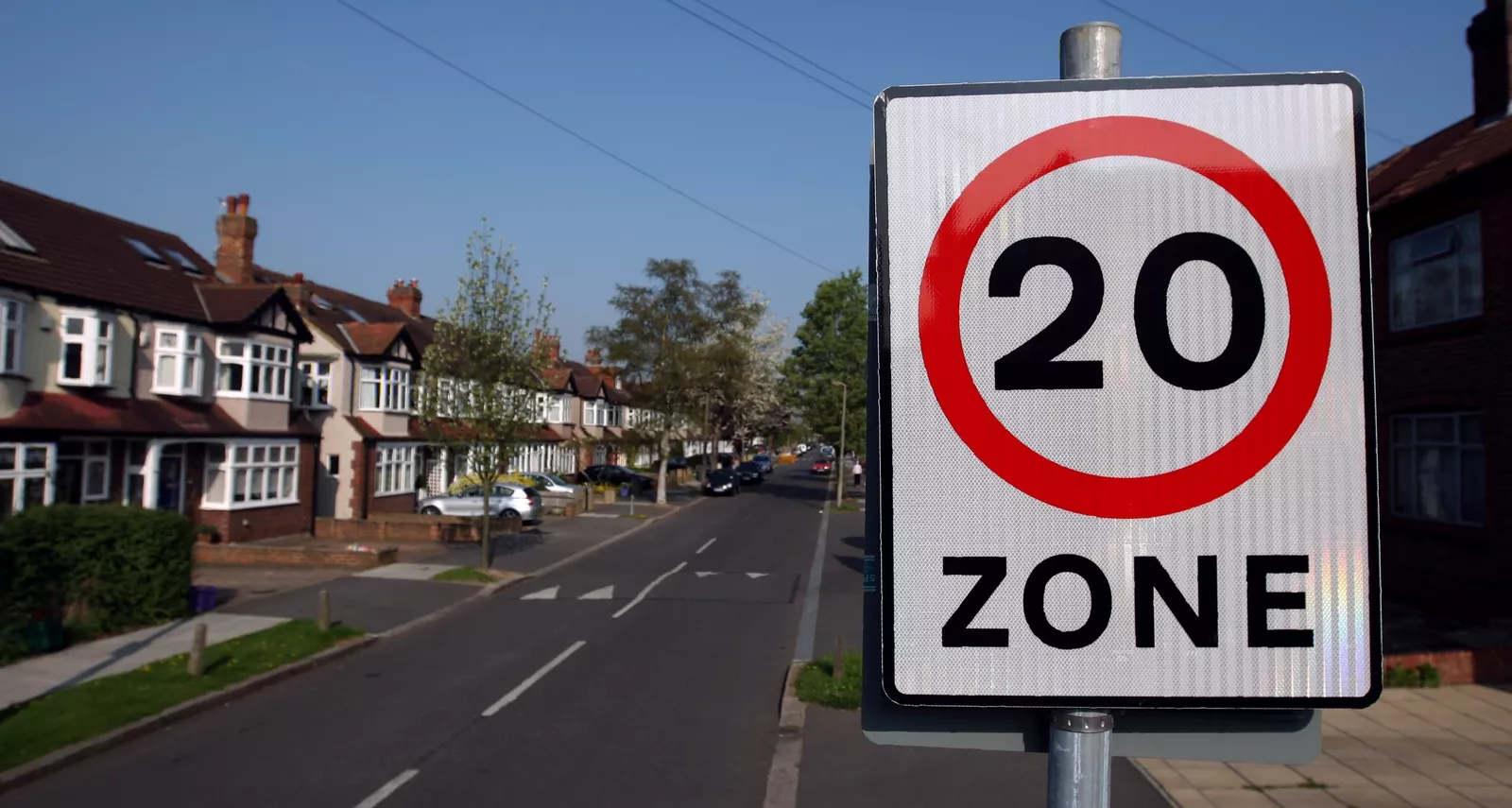
A central plank of the Conservative plan is an end to what the party calls “blanket” 20mph speed limit schemes, which it claims have been imposed by “Labour and their councils” without a “meaningful evidence base”. The party has pledged to review existing schemes and restore 30mph limits “where blanket approaches are widely ignored”.
The Conservatives point to public backlash in Wales, which became the first country in the UK to impose a nationwide 20mph default on restricted and residential roads in September 2023 – a policy that was later rolled back after significant opposition. Scotland has also confirmed a nationwide rollout of 20mph zones on appropriate residential roads, with a target completion date of March 2026, citing road safety benefits. In England, demand has grown for local authorities to install 20mph zones near schools, hospitals, care homes and newly built residential areas.

However, the party’s rationale for scrapping the limits directly contradicts a body of research that suggests lower speeds save lives. The Transport Research Laboratory (TRL) found that the average person is seven times more likely to die if struck by a vehicle travelling at 30mph than at 20mph. Transport for London data shows that roads with 20mph limits recorded a 34% reduction in people killed or seriously injured. A UK-wide evidence review estimated that 20mph limits can reduce road casualties by roughly 23% and collisions by around 26%. A Parliamentary Office of Science and Technology briefing has highlighted strong evidence that 20mph zones with physical measures consistently reduce collisions, though it notes that signage-only limits are less reliable without enforcement or design changes.
Despite this, the Conservatives argue that many schemes are unpopular and widely flouted. The party’s manifesto has also proposed holding “votes to decide the fate of 20mph zones and Low Traffic Neighbourhoods”, effectively calling for local referendums on such measures.
Abandoning the 2030 petrol and diesel car ban
The Conservatives have also pledged to scrap the 2030 ban on the sale of new petrol and diesel cars, a policy that has changed hands multiple times. The original ban was introduced by Boris Johnson’s government in 2020, then delayed to 2035 by Rishi Sunak in 2023. Labour reinstated the 2030 deadline after winning power, though it allows the sale of new hybrid cars until 2035, with only zero-emission vehicles permitted after that point.
Kemi Badenoch has described the ban and the accompanying Zero Emission Vehicle (ZEV) mandate – which requires manufacturers to sell a rising proportion of electric cars – as “economic self-harm” and “well-meaning but ultimately destructive”. The Conservatives plan to scrap the ZEV mandate entirely while retaining funding for electric vehicle charging infrastructure. The party has also said it will protect the UK automotive industry from Chinese competition, and its proposal is partly inspired by the European Union’s potential delay of its own combustion engine ban to 2040.
Pothole crackdown and fuel duty
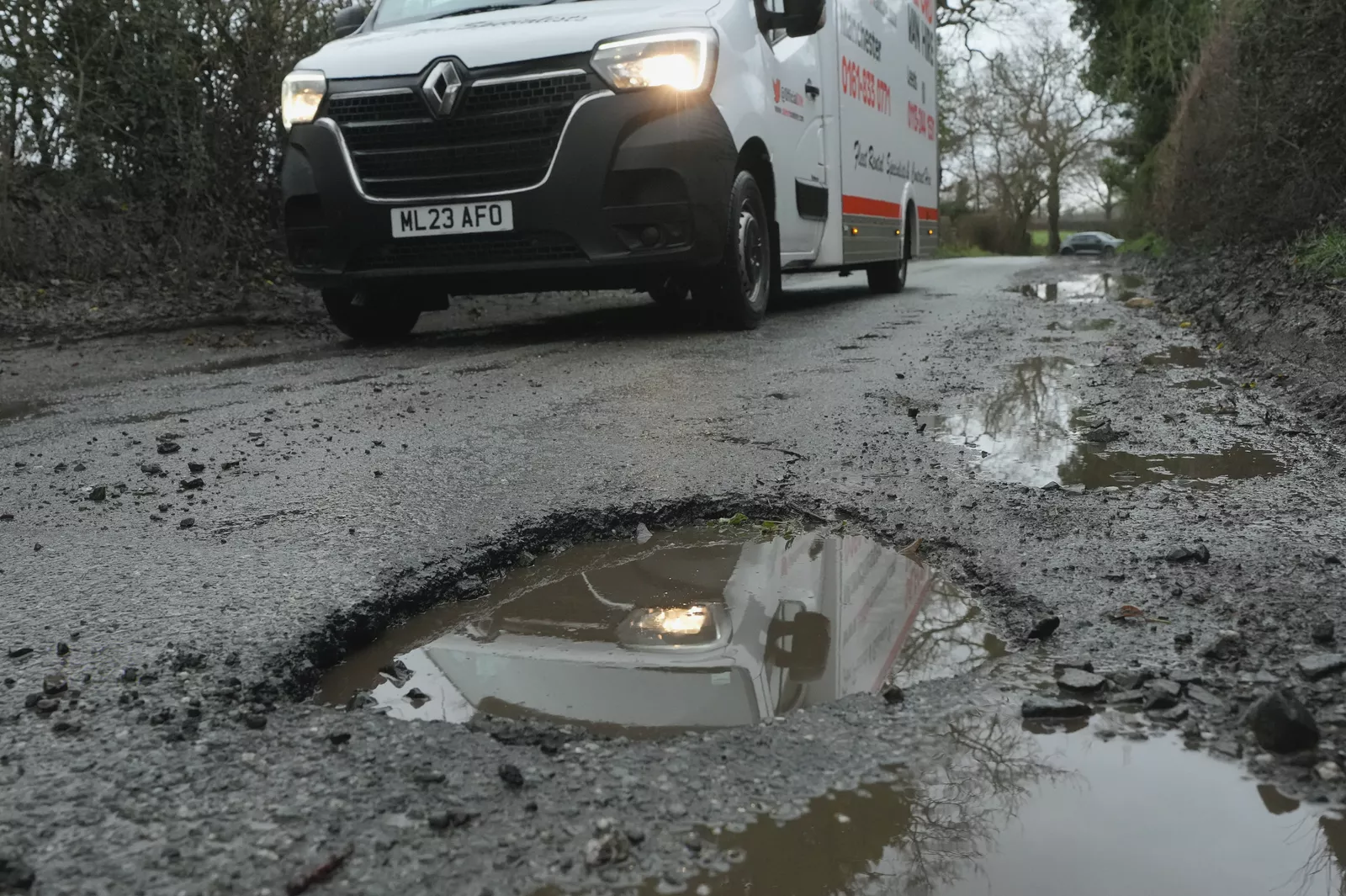
On the roads, the Conservatives have promised a “crackdown on the nation’s growing pothole crisis” with a record £8.3 billion investment to fill potholes and resurface roads, funded by cancelled HS2 project components. The party says it will launch a national pothole task force with specialist repair units and the “most effective technology on the market”. Some councils are already trialling a new ‘super asphalt’ called Viafix, which can be laid in any weather by a single operative to speed up repairs. The plan also includes fines for utility firms that fail to properly restore roads after carrying out works, alongside a separate £112.5 million plan to address the national pothole backlog, funded by cuts to government communications contracts.
Labour has dismissed the Conservative proposals as “gimmicks”, attributing the pothole crisis to “14 years of Tory neglect” and pointing to its own £7.3 billion road maintenance investment and a new traffic light rating system for councils.
On fuel duty, the Conservatives have pledged to maintain the 5p per litre cut introduced by the previous Conservative government in 2022 after Russia’s invasion of Ukraine. They propose a gradual rollback of the cut: 1p in September, 2p in December and a further 2p next March. Fuel duty has been frozen since 2011, and analysis by the Social Market Foundation suggests that retaining the cut is regressive, benefiting wealthier motorists more while costing the Treasury significant sums. The Conservatives have accused Labour of planning to hike fuel duty in line with inflation after the rollback.
Other policies in the Plan for Drivers include clearing the Driver and Vehicle Standards Agency’s driving test backlog, which the Conservatives say could provide up to 200,000 additional tests per year. The party also plans to review bus lane usage, adjust operating times and allow motorcycles access at all times; reform the enforcement of yellow box junction fines to limit local authorities’ ability to profit from “over-zealous” enforcement; stop road pricing and reverse the expansion of London’s Ultra Low Emission Zone; prevent new smart motorways from being built and invest in improving safety on existing ones; and push for new laws to allow automated vehicles on UK roads by 2026.
Shadow Transport Secretary Richard Holden summed up the party’s pitch, saying: “Under Labour, you wait six months to take your test, pay through the nose at the pump, crawl through blanket 20mph zones the council never asked anyone about, then hit a pothole that writes off your suspension. Conservatives have the plan to fix it.”