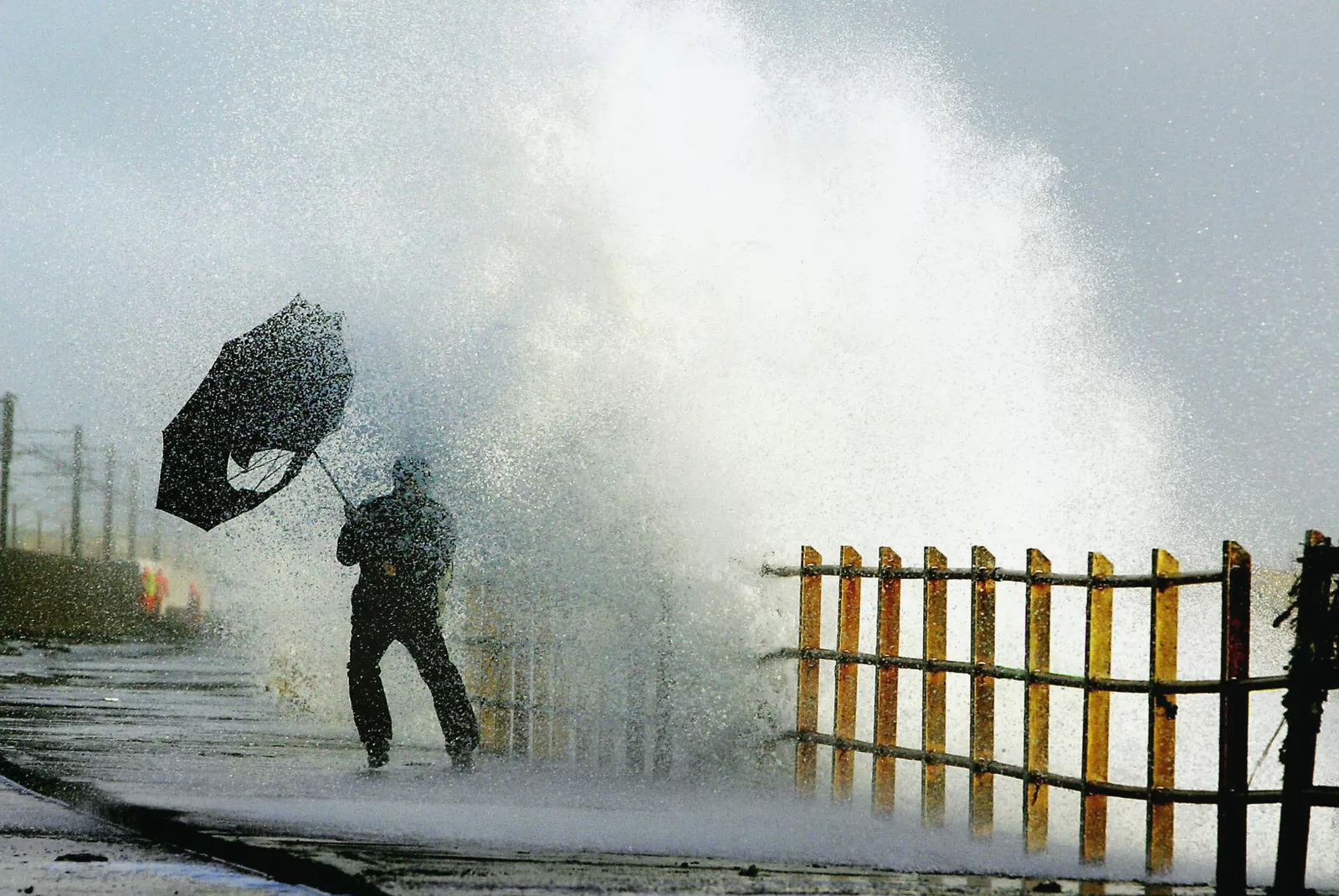
A 93mph gust recorded overnight at Capel Curig in North Wales marked the peak of Storm Dave’s assault on the UK, a severe weather system that swept across the country over the Easter weekend leaving a trail of disruption in its wake.
Power cuts affect thousands
The ferocious winds left thousands of homes without power across Scotland, Wales and Northern Ireland. Properties in Skye, Caithness and coastal parts of Aberdeenshire were among those affected, with Scottish and Southern Electricity Networks (SSEN) confirming its fault response teams were working to reconnect customers. In Wales, areas including Glynneath and Abergavenny experienced cuts, while approximately 2,000 homes lost power in County Armagh and County Down in Northern Ireland. The Energy Networks Association had warned of potential power cuts and advised the public on safety measures.
Transport networks crippled by winds
The transport network bore the brunt of the storm’s force, with significant disruption across rail, road, ferry and air services. Network Rail Scotland was forced to implement emergency speed restrictions on several routes, with the final restrictions lifting around 8am on Sunday. ScotRail confirmed the measures led to longer travel times. Further south, Network Rail Manchester arranged rail replacement bus services between Manchester Piccadilly and Chester due to the overnight conditions, and a fallen tree blocked the line between York and Malton in North Yorkshire, causing cancellations and delays.
On the roads, motorists faced widespread disruption from fallen trees blocking routes. National Highways reported the closure of the Humber Bridge, linking East Yorkshire with north Lincolnshire, to high-sided and vulnerable vehicles early on Sunday before it reopened. Several major bridges in Scotland, including the Queensferry Crossing and the Forth Road Bridge, also had restrictions in place. The A66 was shut in both directions between Bowes and Brough, and the Woodhead Pass was closed to high-sided vehicles overnight.
Ferry travel was also impacted, with Caledonian MacBrayne services on Scotland’s west coast facing disruption. The operator had warned of potential issues due to a yellow wind warning, with existing strains on the network exacerbated by several vessels being out of action for maintenance. Beyond the UK, Dublin Airport cancelled 17 flights as pilots struggled to land in the challenging conditions.
Severe gales, snow and flood alerts
Storm Dave, which swept in on Saturday, prompted the Met Office to issue an amber wind warning for parts of northern England, north-west Wales and southern Scotland, active until 3am on Sunday. This warning had forecast “severe gales” across central and northern areas overnight. Alongside the peak gust in Wales, notable gusts included 75mph at Emley Moor in West Yorkshire and St Bees Head in Cumbria, and 73mph at Buchan in Aberdeenshire. In North Yorkshire, speeds came close to 100mph, with 98mph recorded at North Stainmore.
Yellow warnings for wind and snow across northern England, Scotland and Northern Ireland were lifted around 7.30am on Easter Sunday, several hours earlier than planned. Marco Petagna, a Met Office spokesman, said: “The winds eased down a bit more quickly than forecast across Scotland, northern England and Wales. Storm Dave is pulling away and the warnings are easing more quickly than forecast.”
The storm also brought wintry conditions, with snow falling in Skye, Inverclyde and other parts of western Scotland. Glasgow saw snow late on Sunday morning, with flurries elsewhere in central Scotland. A yellow snow warning had been in effect for parts of North West Scotland, where accumulations of 5-10cm were possible over higher ground, with blizzard conditions an additional hazard in the NW Highlands.
The combination of high winds, rain and high tides led to numerous flood alerts. At their peak, there were four coastal flood warnings and 32 flood alerts across England, with eight coastal flood alerts in Wales issued by Natural Resources Wales. In Scotland, 12 flood warnings and eight alerts were in place. By 1pm on Sunday, this had reduced to one flood warning in Scotland and one warning plus 17 alerts in England.
The high winds caused considerable property damage. In Kniver, Staffordshire, two families were made homeless after a large tree crashed into the roof of their homes. Similar incidents were reported in Heaton Moor, Stockport, and in North Yorkshire where trees fell on vehicles and properties. Durham Cricket Club announced no spectators would be permitted for a County Championship fixture due to damage within the venue. Coastal areas experienced wave overtopping and minor flooding, with debris scattered across promenades.
Following the storm, the Met Office forecast sunshine and widespread showers for Easter Sunday, with the heaviest, blustery showers in the north. Calmer conditions were expected for Easter Monday, with warmer air forecast to arrive from Europe later in the week.