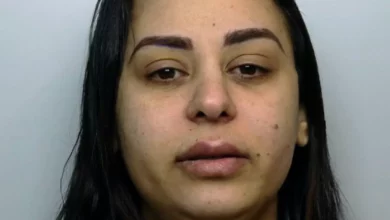
Journalist pleads guilty to stalking ex-chancellor George Osborne and wife for more than a year

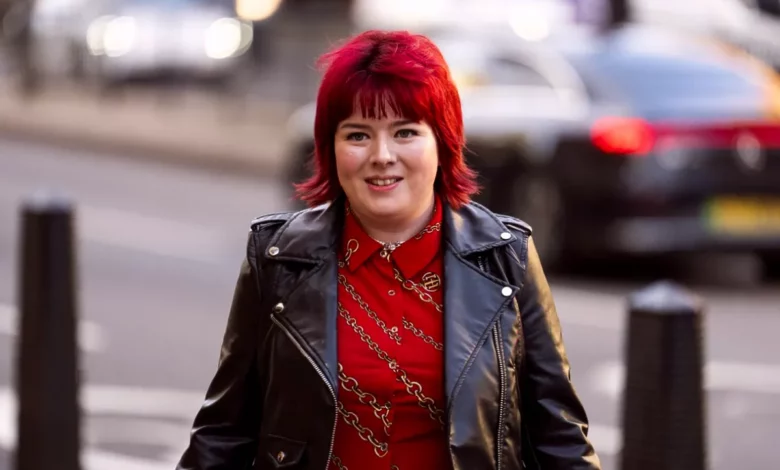
A freelance journalist has admitted stalking former chancellor George Osborne and his wife, Thea Rogers, in a campaign that spanned more than a year and included false referrals to a children’s charity.
Lydia Suffield, 29, from Liverpool, initially denied two counts of stalking involving serious alarm or distress under the Protection from Harassment Act 1997. At Isleworth Crown Court in west London on Thursday, she re‑entered not guilty pleas to those charges but admitted two lesser offences of stalking. Prosecutor Paul Jarvis KC told the court that a trial on the more serious charges would not proceed and that those counts would remain on file. Suffield was granted bail with conditions not to contact the couple and will be sentenced at the same court on 3 July.
Stalking campaign
Between 8 June 2022 and 5 July 2023, prosecutors said, Suffield sent emails and Instagram messages to Mr Osborne and Ms Rogers. She also contacted close friends and family of the couple, as well as work colleagues. According to Rhianne Neil, prosecuting during a hearing at Westminster Magistrates’ Court in December 2024, the allegations Suffield made against the couple included drug abuse. She also sent a present said to be for their young children.
A significant element of the campaign involved false referrals to the NSPCC. The children’s charity received reports from Suffield that allegedly claimed the couple were guilty of drug abuse and child neglect. Such referrals can trigger investigations by children’s services or the police, and the NSPCC works with law enforcement to investigate potential harassment through false reports. Prosecutors noted that the referrals led to inquiries into the couple’s conduct.
Legal proceedings and context
The Protection from Harassment Act 1997 criminalises stalking, defined as a “course of conduct” amounting to alarming or distressing a person, occurring on at least two occasions. Stalking involves repeated, unwanted behaviour that causes fear, distress or alarm – including contacting, monitoring, loitering or watching. The offence Suffield admitted carries a maximum sentence of ten years’ imprisonment when involving serious alarm or distress.
Suffield was charged in December 2024 and pleaded not guilty at Westminster Magistrates’ Court on 9 December. At a hearing at Isleworth Crown Court on 6 January 2025 she again denied the charges, and her trial was fixed for 18 May 2026. However, court backlogs had contributed to the delay. On 21 May 2026 – the date the trial was due to begin – Suffield changed her pleas, admitting two lesser stalking offences. The original charges of stalking involving serious alarm or distress were left on file, meaning they can be revived only with the court’s permission or that of the attorney general.
Impact on the victims
Prosecutors said Suffield’s actions caused “serious alarm or distress” to Mr Osborne and Ms Rogers. The couple felt compelled to pay for additional security around the time of their wedding. Victim impact statements were expected to highlight a “substantial adverse effect” on their “usual day‑to‑day activities”. Research on stalking shows victims can suffer anxiety, depression, PTSD, flashbacks, nightmares and a profound loss of freedom and security, with effects often extending to children, family and colleagues.
Background of the couple
George Osborne served as Chancellor of the Exchequer from 2010 to 2016 and was MP for Tatton until 2017. Since leaving frontline politics he has been editor of the Evening Standard, chair of the British Museum and a partner at investment bank Robey Warshaw. He married Thea Rogers, a former special adviser and later chief of staff during his chancellorship, on 8 July 2023. Ms Rogers, who also worked as a BBC producer and held senior roles at Deliveroo, gave birth to their first son, Beau, in July 2021 and their second, Arthur, in December 2022. Mr Osborne has two older children from his previous marriage to Frances Osborne.
The couple’s wedding was preceded by an anonymous email circulating among guests and journalists containing salacious allegations about Mr Osborne’s infidelity. On the day itself a protester threw orange confetti over them as they left the church. Suffield’s defence has suggested that any communications she sent were made in her professional capacity as a journalist. She has previously written for publications including The Telegraph and The Times.
Suffield will be sentenced at Isleworth Crown Court on 3 July.