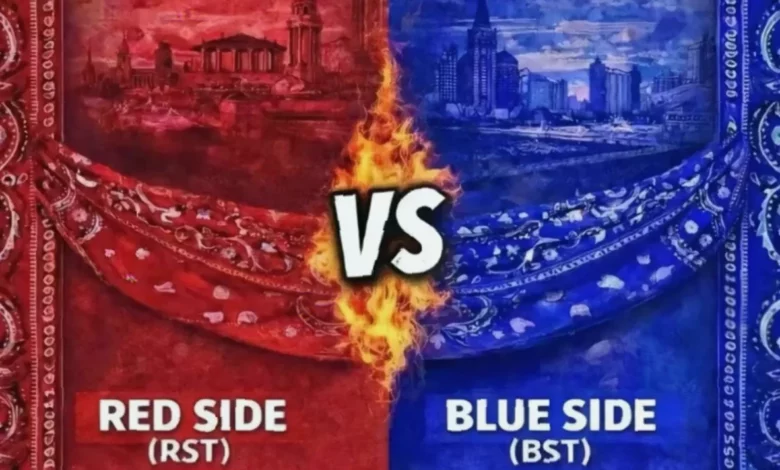
A disturbing social media trend that gamifies violence among schoolchildren has triggered a nationwide alert, with police forces and educational institutions scrambling to counter posts inciting real-world fights with knives and improvised weapons. Dubbed “school wars,” the phenomenon encourages pupils to divide into rival factions—most commonly “red” and “blue” teams—and attack each other for points, with authorities warning that the online challenge poses a very real threat of physical harm.
The trend, which appears to have originated in London, has rapidly spread across platforms like TikTok, Snapchat, and Instagram. It specifically targets young people, with posts aimed at children as young as eleven and those in secondary school Years 7 to 11. In one early iteration, a “Croydon War” targeted students in Years 9 to 11. The content urges children to “jump” opponents from rival schools and to “be violent,” with some messages suggesting a video game-style scoring system where users earn points for actions like “punching an opp” or “staining an opp”—a term for inflicting injury.
From Online Posts to Real-World Weapons
Alarmingly, the posts go beyond mere provocation by explicitly encouraging the carrying of weapons. Children are urged to arm themselves with bladed weapons, knives, modified compasses, rulers, scissors, and even illicit fireworks. This incitement has manifested in localized variants across the capital. In Tower Hamlets, the trend evolved into “Green vs. Black,” with specific schools like Langdon Park, Canary Wharf College, Wapping High School, and George Green School named. Separate posts have promoted a “north London war” pitting four schools against another four, and a “Hackney war” that encouraged bringing knives, modified compasses, and fireworks.
The trend’s reach has extended beyond London, with posts referencing boroughs including Redbridge, Greenwich, Camden, Ealing, Highgate, Waltham Forest, and Newham. It has also spread to other parts of the UK, including Bristol, where a post titled ‘Bristol War’ listed local schools in ‘red’ or ‘blue’ columns. Despite the violent rhetoric, some posts include contradictory disclaimers, such as “This is a game. No violence, no touching, no harassment,” according to the research briefing.
A Coordinated Crackdown by Authorities
Law enforcement is treating the matter with utmost seriousness. The Metropolitan Police have launched Operation Cedarfield to find those responsible for the trend. Commander Neerav Patel stated that the force is aware of the circulating social media posts and is in “close contact” with schools across several London boroughs to offer reassurance. “Officers will maintain a strong, visible presence around schools, and will respond firmly to any reports of violence or disorder,” he said. The Met has worked with social media platforms to request the removal of accounts promoting violence, resulting in at least a dozen accounts being disabled where threats were planned or encouraged.
Commander Patel emphasised the severe consequences for young people, warning that involvement could lead to arrest, charge, conviction, and imprisonment, with a “significant long-term impact on future opportunities.” Similar vigilance is being exercised outside the capital. Neighbourhood Chief Inspector Keith Smith of Avon and Somerset Police said they are “monitoring the situation extremely closely” regarding posts linked to schools in Bristol and South Gloucestershire. While there is no evidence yet of incidents linked to the trend in their area, they have implemented a heightened police presence, including reassurance patrols at named schools, and have contingency plans in place.
The government has also weighed in, with the Technology Secretary describing the content as “deeply concerning” and stating that social media platforms are expected to abide by the law and take action against illegal material.
Schools and Charities Sound the Alarm
In response to the threat, a number of schools, mostly in London, have written to parents urging heightened vigilance. In one such letter from a west London school, seen by The Independent, parents were warned the craze is causing “serious concern” and were asked to check their children’s smartphones “in order to keep our school safe.” Schools are advising parents to discuss the dangers of online trends that promote violence and peer pressure, with some increasing security presence and providing safe spaces at youth centres and community hubs.
Charities dedicated to combating knife crime have echoed these grave concerns. Charlie’s Promise, a charity founded in memory of 17-year-old Charlie Cosser who was fatally stabbed at a party, warned: “While some young people may view this as a game or online challenge, the risks are very real.”
Social media platforms have stated they are taking action. A TikTok spokesperson told The Independent that the platform has restricted searches relating to “red vs blue” and noted the trend is found across many platforms, adding that its community guidelines prohibit threats, glorifying violence, or promoting criminal harm. Snapchat highlighted that most people use its app to chat with friends and that it does not feature a feed of unvetted or unmoderated content. The research briefing also notes ongoing concerns about the influence of social media algorithms on young people’s behaviour.
Authorities continue to work with partners and carry out intelligence checks, investigating any reported incidents. Police are urging the public to contact them promptly with concerns or to call 999 if a crime is in progress. As this online-fuelled trend continues to evolve, the collective response underscores the critical challenge of shielding young people from digital incitement that blurs the lines between a game and grievous harm.