A new rap song aiming to teach toddlers essential toilet skills ahead of starting school has been released by the government in a bid to tackle a growing crisis in classroom readiness.
The track, titled “Steps for School,” is a collaboration between the Department for Education and former primary school teacher turned educational rapper Jacob Mitchell, known as MC Grammar. It forms a central part of the government’s wider “Best Start in Life” campaign, a joint initiative with the Department for Health and Social Care designed to support child development from pregnancy to age five.
An Unconventional Tool for a Pressing Problem
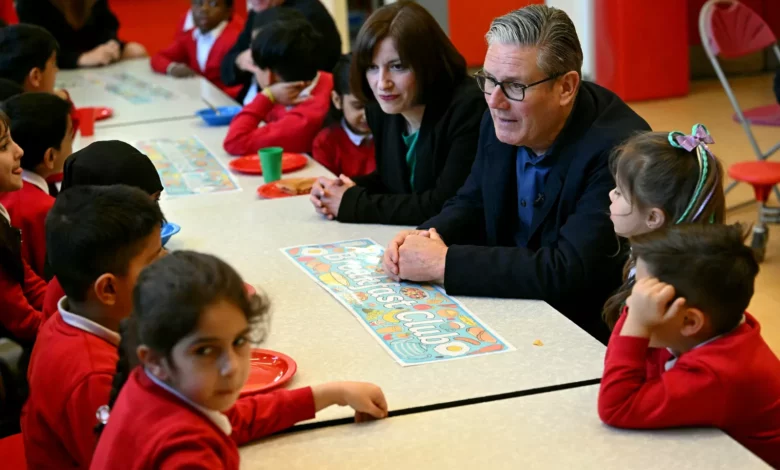
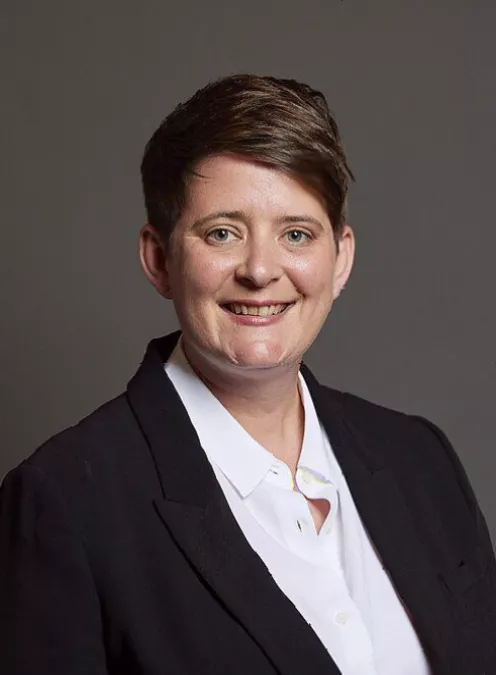
The initiative’s purpose is direct: to give parents a practical, engaging tool to help their children master the fundamental abilities needed to thrive in a reception classroom. Early education minister Olivia Bailey, the Parliamentary Under-Secretary of State responsible for the early years, described the rap as a practical method for preparation, recalling her own experience getting children ready for their first day. The Department for Education suggests the musical format can specifically encourage listening and independence skills.
“With our new Steps For School song, we’re giving families a fun, memorable way to build those everyday skills that will help set children up for a smooth start in September,” said Mr Mitchell, who is also a parent.
What It Means to Be “School Ready”
The song’s lyrics, which emphasise going “at your own pace,” tackle the core competencies that constitute being “school ready”—a term encompassing specific developmental benchmarks far beyond academic knowledge. It means children have achieved a level of independence and social understanding that allows them to engage with learning from day one.
According to the government and NHS-approved guidance used for the song, this includes fundamental self-care: using the toilet independently, washing hands properly, and dressing themselves. It also covers vital social and emotional skills like sharing toys with others, taking turns, listening to and following instructions, and being able to manage their emotions. Basic language abilities, such as communicating needs clearly, are another critical component. A lack of these skills can severely disrupt the classroom, with teachers reporting losing significant teaching time daily on basic care.
The Scale of the Readiness Gap
The push comes against a backdrop of sobering statistics. Survey data from the early years charity Kindred Squared revealed that in January 2026, 37% of children entering reception were not adequately prepared for school, an increase from 33% in 2024. This indicates a persistent and widening gap between parental confidence and classroom reality, with 88% of parents believing their child is ready compared to teachers’ assessments.
The specific deficits are stark. The same research found approximately one in four pupils starting reception lacked toilet training, with a comparable proportion unable to eat and drink without assistance. Over a third struggle to dress themselves, and 25-28% lack basic language skills. International research by Theirworld in September 2024 suggested UK children are less likely to be school-ready than global peers, and analysts warn such early developmental delays can lead to long-term consequences including higher absenteeism and risk of becoming NEET (Not in Education, Employment, or Training) in later years.
Ministers have set a target for 75% of children to achieve a good level of development by 2028. The most recent Department for Education statistics show 68.3% of pupils met this threshold by the end of reception in the 2024/25 academic year, a slight improvement on the year before. Minister Olivia Bailey has emphasised the importance of closer collaboration between schools, nurseries, childminders and families to ensure every child arrives feeling settled and ready to learn.