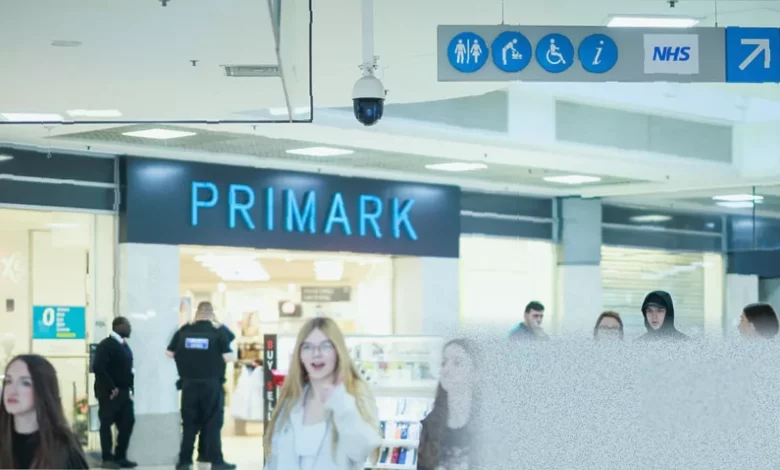
A bold experiment in the heart of Barnsley is delivering a double prescription: revitalising a flagging high street while reshaping how the NHS delivers care. The town’s new outpatients centre, housed in a former Wilko store in the Alhambra shopping centre, is drawing hundreds of patients a week away from the district hospital and into the town centre, where their appointments are boosting local businesses and offering a blueprint for national regeneration.
A Dual Prescription for Town and NHS
The initiative is a collaboration between Barnsley Hospital NHS Foundation Trust and Barnsley Council, forming the cornerstone of a “health on the high street” strategy. Alan Heathcote, the hospital’s project manager, says the model is about more than relocating clinics. “We see this as a trailblazing model that puts health at the heart of Barnsley town centre,” he stated, adding that it makes care “easier to reach” while “supporting the wider regeneration of the town.”
For the NHS, the move tackles several persistent problems. It frees up space and eases notorious parking issues at the hospital on the town’s outskirts. Crucially, it is part of a national push to shift care into the community. Health Secretary Wes Streeting, who visited and called the centre “really inspiring” and “the future of the NHS”, has urged the health service to move from hospital-based to community-based care. The model also aims to chip away at the service’s formidable backlog, which stood at 7.25 million cases as of January 2026.
From Cataracts to Coffee: The Services on Offer
The £8.8m centre, which opened in October 2025, has been populated through a phased rollout. Ophthalmology, optometry and retinal screening arrived first. Dermatology began seeing patients in late March 2026, with rheumatology and orthotics (care for foot-related issues) becoming operational in April. In all, 121 hospital staff now work from the new facility.
The services offered are extensive and designed for non-urgent care. Annually, the centre is expected to provide 38,000 appointments for adults with eye conditions, 4,400 for children with sight problems, 19,500 for skin conditions, 10,400 for rheumatology, and 4,200 for orthotics. These are in addition to the work of a pioneering Community Diagnostic Centre (CDC) opened in the nearby Glass Works shopping centre in April 2022, which handles blood tests, X-rays, and scans. Combined, the two centres are projected to deliver over 200,000 appointments a year.
Patient feedback, according to Heathcote, has been consistently positive, highlighting easier access, shorter waits, and no battles for parking. The location is a short walk from bus and rail stations, and parking near the Alhambra is plentiful and cheap. This convenience has a tangible impact: data from the CDC suggests offering care in a town centre location has reduced “Did Not Attend” (DNA) rates by 24%.
Staff have welcomed the move from older hospital facilities. Lisa Shaw, lead nurse for dermatology, contrasted the new centre with the previous hospital base, which was in “an old building with a flat roof which always leaked.” The new facility’s design, by architect Michael Brown, intentionally avoids a clinical feel, using layout, furniture, and colour schemes to reduce patient anxiety.
The Economic Shot in the Arm
The most significant ripple effect, however, is economic. The initiative is a direct response to the structural decline of high streets across the UK, hit by online shopping, out-of-town retail, and the cost of living crisis. By bringing a reliable stream of visitors into the Alhambra, the scheme generates vital footfall.
Barnsley Hospital NHS Foundation Trust has quantified this boost. It found each patient attending the CDC spends an average of £17.50 in the town. For the Alhambra outpatients centre, the expected spend is slightly less at £15 per head. With the Alhambra centre projected to handle 100,000 appointments annually, this could translate to an extra £1.5 million flowing into local shops, cafes, and restaurants each year.
“Our first priority is always better care and a better experience for patients [but] we are proud that this investment can also contribute to the vitality and long-term renewal of the town centre,” Heathcote said. The council and trust plan to expand the first floor into a full health and wellbeing hub by 2028, potentially including a gym, a healthy eating cafe, and mental health services, further cementing the centre’s role as an anchor tenant.
This potential for high street revival is attracting national attention. The centrist thinktank Radix Big Tent is launching a commission into how healthcare can save ailing high streets. Its director, Ben Rich, said: “Barnsley NHS trust are potentially providing a model not just for better health but also for the revival of our high streets.” Officials from Bradford’s NHS trust, five other councils, the Department of Health, and even a German town have visited to see the operation.
The model aligns with a wider national rollout. The government has announced a £237 million investment to expand the network of Community Diagnostic Centres, which NHS England views as key to tackling the care backlog. Furthermore, the Commons health and social care select committee has begun an inquiry into realising Streeting’s vision of “neighbourhood health centres” offering integrated services closer to home.
Architect Michael Brown framed the initiative in even broader terms, suggesting that putting healthcare into vacant high street units could be a way for the government to revive northern towns. By addressing both healthcare accessibility and the visual decay of boarded-up shops, projects like Barnsley’s offer a tangible, dual-purpose solution to two of the country’s most entrenched challenges.