
The UK’s student finance system is facing what the Education Secretary has described as “one of the biggest financial scandals in the history of our universities sector,” with explosive new data revealing a highly disproportionate and costly surge in loan claims by Romanian nationals, now under investigation as potential organised fraud.
According to Department for Education figures obtained by MPs, a record 78,325 Romanian students claimed UK student loans in the 2023/24 academic year. This represents a staggering threefold increase from the 25,046 who claimed in 2019/20 and is nearly four times the number for any other non-UK nationality. The trend suggests that in the last academic year, approximately 15% of the entire Romanian population living in the UK received a student loan.
A System Under Siege
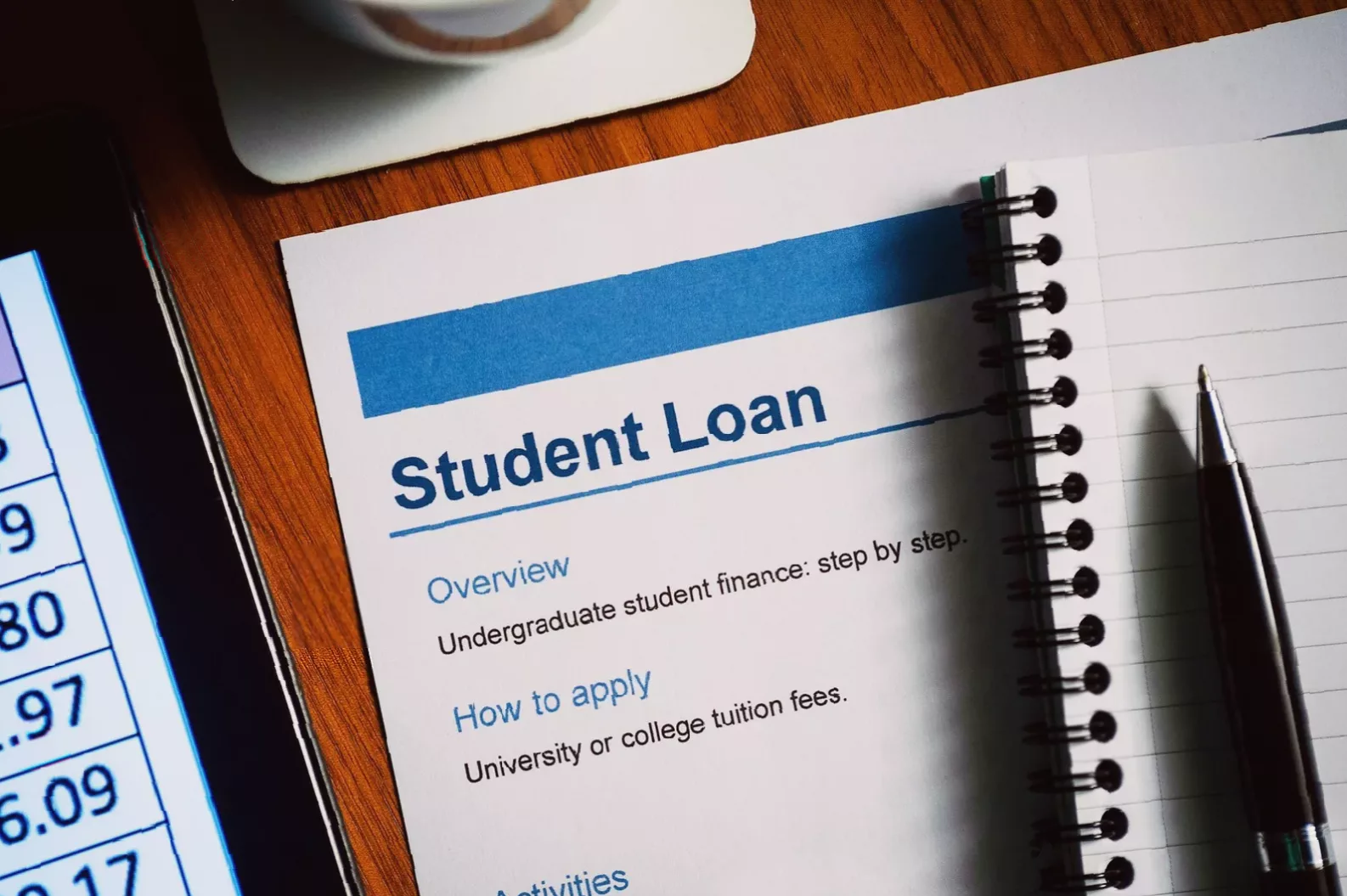
The mechanism for this alleged abuse, identified by both the National Audit Office (NAO) and the Office for Students (OfS), centres on privately operated franchised colleges. These institutions deliver courses on behalf of established universities, enabling enrolled students to access maintenance and tuition fee loans worth up to £13,000.
Enrolment at these providers has more than doubled in five years, now approaching 160,000 students and accounting for between five and ten per cent of all higher education learners. The sector’s rapid, under-regulated growth has created a soft target for exploitation. The NAO reported that franchised providers accounted for 53% of the value of fraud detected by the Student Loans Company (SLC) in 2022/23, despite representing just 6.5% of funded students.

Investigators have found evidence that individuals are signing up with no intention of studying, solely to claim the loan cash before abandoning their courses. The outcomes data supports this: the Department for Education states students at franchised providers are more than twice as likely to withdraw than those on conventional degrees, with an average completion rate of just 75%, compared to 90% across mainstream universities. Some specific partnerships have seen continuation rates as low as 10%.
Organised Exploitation and Regulatory Gaps
The scale and pattern of the activity point beyond individual opportunism. The National Audit Office has identified evidence of multi-million-pound fraud with potential connections to organised crime. The SLC’s own analysis has detected suspicious patterns, including forged documents and duplicate addresses, which it believes may be linked to organised crime groups.
A critical failure has been a lack of oversight. As of 2021/22, some 65% of franchised providers were not directly registered with the OfS, relying instead on their partner universities to ensure compliance—a responsibility often poorly discharged. This regulatory gap, warned the House of Commons Public Accounts Committee, has created a “back door into the student loan system for organised fraudsters.”
The role of unregulated, commission-driven recruitment agents has been pivotal. The OfS has raised serious concerns about agents targeting individuals, often from non-English speaking backgrounds, with financial incentives or misleading information about courses and loans. More than two-thirds of students on franchised courses come from backgrounds where English is not their first language, with Romanians described as “over-represented.” Concerns have been raised that some colleges enrol students with inadequate English, accepting questionable proof such as screenshots from language apps.
Government Scramble to Respond
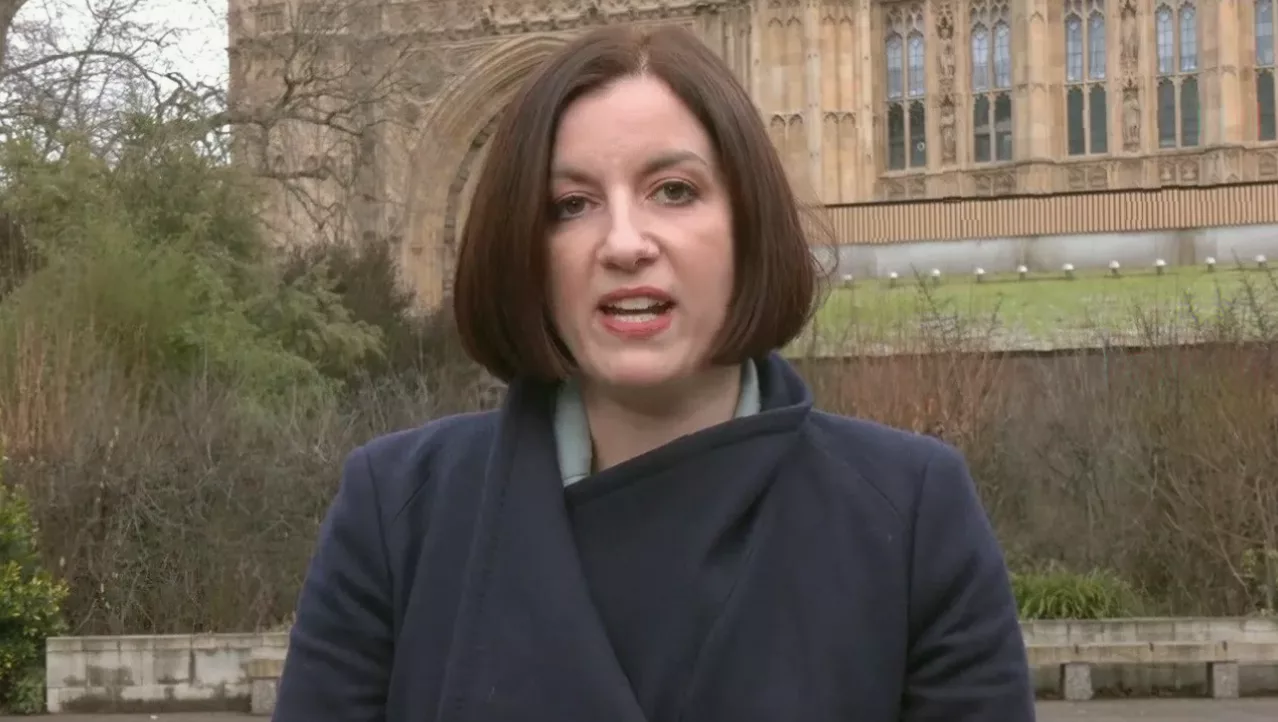
Confronted with the escalating scandal, Education Secretary Bridget Phillipson has acknowledged Romanians are receiving a “disproportionate” share of student finance and has initiated a multi-pronged response. She has asked the Public Sector Fraud Authority to investigate this “growing threat” and coordinate a cross-government effort.
In a significant regulatory shift, Ms Phillipson has pledged to bring franchised providers with 300 or more students under the OfS’s mandatory direct regulation from the 2028/29 academic year, forcing them to meet university standards or lose access to loan funding. She has also promised new legislation to grant the OfS tougher powers to intervene.
The Student Loans Company has already begun to act, stating it has started to “block payments to individuals wrongly claiming support.” In the 2022/23 year alone, the SLC flagged 3,563 suspicious applications worth nearly £60 million. It now leads a dedicated group within the National Crime Agency to combat this specific fraud.
Independent MP Rupert Lowe, who obtained the Romanian student figures, has demanded a comprehensive government review. “It is abundantly clear that there is widespread fraud occurring, yet nobody seems to care,” he said, calling for an inquiry into where the money has gone and how it can be recovered.
In its defence, the Department for Education emphasised that eligibility depends on residency and immigration status, not nationality alone. A spokesperson said: “We will stop at nothing to protect public money where unusual patterns indicate abuse, or show franchised providers misusing student funding.” The government asserts it holds powers to claw back payments where fraud is proven.
The scandal emerges against a backdrop of soaring national student debt, which is taxpayer-guaranteed and now stands at £236 billion. With the integrity of a core pillar of higher education financing under threat, the pressure is mounting on ministers and regulators to swiftly close the loopholes that have allowed this alleged fraud to flourish.