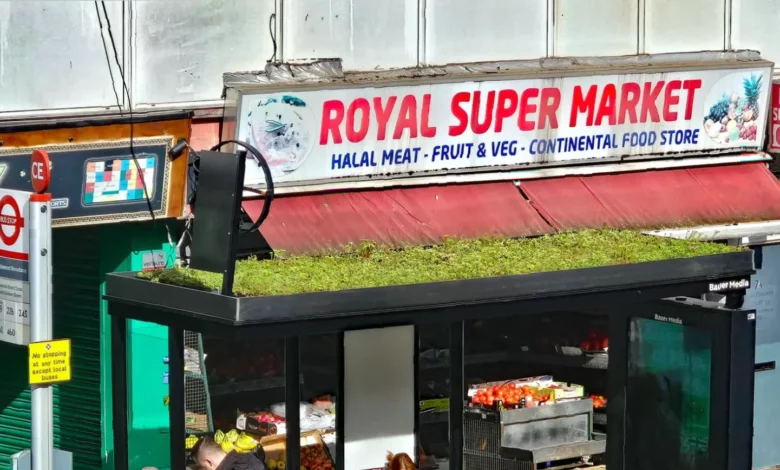
A bus shelter on a north London street has become an unlikely testbed for urban biodiversity, thanks to a winning idea from a local resident in a council climate challenge. The shelter on Cricklewood Lane now sports a living roof of sedum plants, a project born from the community-driven BarNET ZERO Challenge.
The “GRUBS” (Green Roofs Upon Bus Shelters) project was conceived by Barnet resident Fiona Quinton, a long-time advocate for green urban spaces. Her proposal took first prize in the challenge, which was launched in November 2023 and attracted over 100 entries from residents, community groups, and organisations. Quinton is now working with Barnet Council to develop the idea, having won a £5,000 prize as one of three finalists supported by sponsors including Middlesex University, Microsoft, NatWest Bank, and Hammersons.
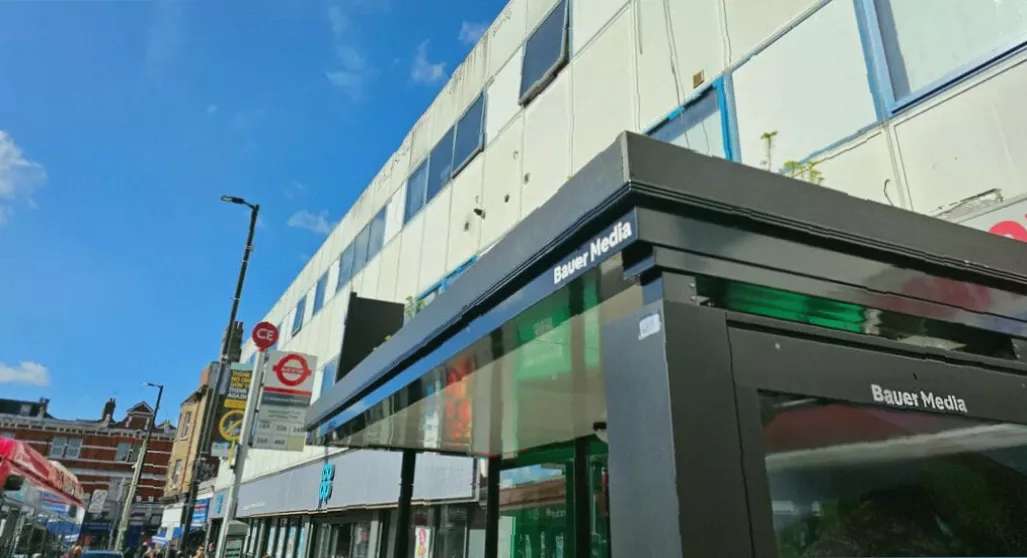
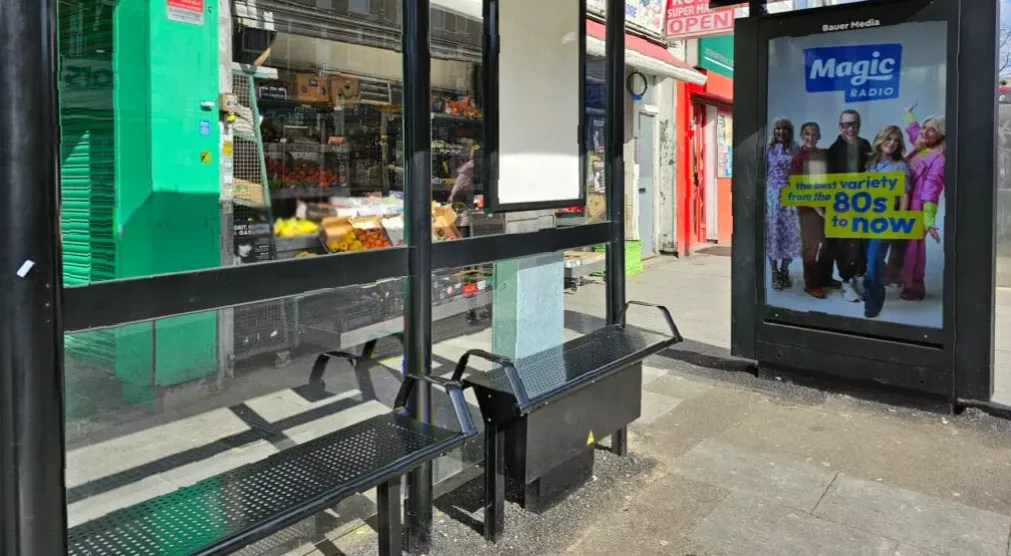
While superficially a normal shelter with advertising and seating, its roof has been specifically engineered to handle the weight of a deeper soil layer. This is a critical design difference from a previous trial, allowing for more substantial plant growth. At present, only a few fronds are visible from the ground, but over time they are expected to form a green mound.
Learning from past trials
The concept is not entirely new. Between 2020 and 2022, Transport for London (TfL) retrofitted five existing bus shelters in Lewisham with similar lightweight green roofs. A 2024 report on that trial concluded it offered “very little biodiversity benefit” because the shallow soil depth, necessary to keep weight down on existing structures, restricted plant growth.
TfL noted that achieving deeper soil would incur a “significant cost over and above a conventional shelter due to the additional structural loading.” As a result, TfL is not planning further green roof installations on shelters, focusing instead on other green initiatives like wildflower verges. The Cricklewood project, by contrast, started with a shelter designed for the extra load from the outset.
The living roof was developed in partnership with The Wildlife Trusts and the shelter was provided by Bauer Media Outdoor, which holds the contract to manage Barnet Council’s bus shelters. Beyond its environmental role, the new structure offers passengers improved seating and better lighting, though it has lost the countdown display.
A sponge for rain and a haven for wildlife
The sedum roof is intended to deliver multiple benefits. It acts as a water sponge during heavy rainfall, absorbing significant amounts of water to reduce stormwater runoff, ease pressure on drains, and lower flood risk. The plants and substrate also filter pollutants from rainwater before it enters the sewer system.
Ecologically, the roof provides a habitat for insects, birds, and other wildlife, promoting urban biodiversity. Sedum is particularly valuable for pollinators like bees and butterflies, offering nectar and pollen. The vegetation can also absorb dust and pollutants, improving air quality, and help mitigate the urban heat island effect by cooling the surrounding area. Additionally, such roofs offer insulation and protect the underlying material, potentially extending the shelter’s lifespan.
The project aligns with Barnet Council’s ambition to become a net-zero borough by 2042, with plans already underway to install another living roof shelter in the area. The corporate sponsors involved also have their own stark climate commitments: Middlesex University aims for net zero by 2040; Microsoft is committed to being carbon-negative by 2030; and NatWest is targeting net zero across its operations by 2050.
In a separate but parallel drive to improve infrastructure, TfL is trialling new bus shelter designs at 27 locations across London, focusing on accessibility, safety, and sustainable construction to support the Mayor’s target for 80% of journeys to be made by public or active travel by 2030.
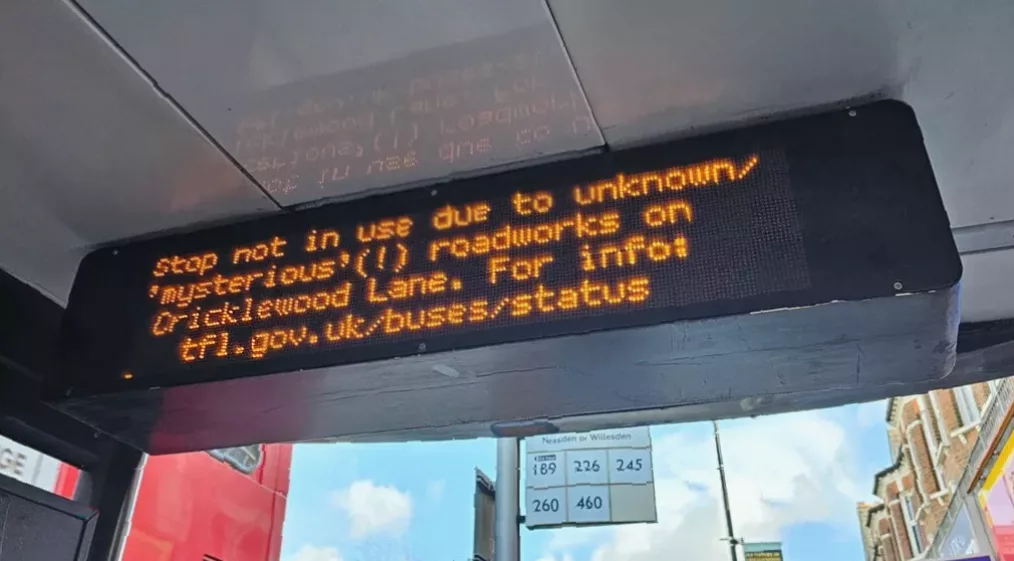
For local observers, the shelter has already sparked curiosity; the urban exploration blog ‘ianVisits’ noted it was the reason for a weekend visit to Cricklewood, where “mysterious roadworks” were also spotted on the opposite side of the road.