The United Kingdom has now passed the milestone of two million electric vehicles on its roads, a figure that marks both a significant acceleration in the switch away from petrol and diesel and a stark reminder of the cost hurdles that remain for drivers without home charging.
Department for Transport statistics show 2,012,000 zero-emission vehicles were licensed for use at the end of December last year, a rise of 31.2 per cent compared with the previous year. The total number of plug-in cars – including plug-in hybrids – reached 3,033,353 by the end of March 2026, according to the latest data. In 2025, 473,348 new electric cars were sold, up 23.9 per cent on 2024, giving battery electric vehicles a 23.4 per cent share of the new car market, up from 18.7 per cent. A new monthly record was set in March 2026, when 86,120 new electric cars were registered, a 24.2 per cent increase on the same month the year before.
Government reaction
Transport Secretary Heidi Alexander called the two‑million figure “a key moment in the UK’s transition to electric”, pointing to the government’s £7.5 billion of funding for the switch. She said: “As global fuel prices continue to fluctuate, making the switch has never made more sense.”
The DfT confirmed that more than 100,000 drivers have now benefited from the Electric Car Grant, which offers a saving of £1,500 or £3,750 off the purchase price of a new electric car priced at £37,000 or under, with the discount applied automatically at the point of sale. Additional government support includes a £600 million investment to expand charging infrastructure, home charger grants of up to £350 for renters and flat owners with private off‑street parking – rising to £500 from April 2026 – and the Workplace Charging Scheme, which covers up to 75 per cent of installation costs for chargers at businesses.
Expert analysis
Ginny Buckley, chief executive of the electric car buying advice website Electrifying.com, described reaching two million EVs as “a significant milestone”. She attributed the uptake to government support, “huge investment” from the charging industry and car makers, and a “wave of genuinely compelling electric cars”.
Yet consumer surveys continue to reveal deep‑seated reservations. Almost half – 45 per cent – of UK consumers cite cost as a major concern about battery electric vehicles. A lack of public charging infrastructure worries 37 per cent, while 35 per cent say the absence of a home charger is a barrier. Around a quarter of UK households lack off‑street parking, making home charging impractical. Range anxiety, battery‑life myths and safety concerns also persist, despite improving average ranges.
The cost barrier: public charging
RAC senior policy officer Rod Dennis described the rise in EV numbers as “impressive”, but warned that people using public chargers “are still paying a significant premium”.

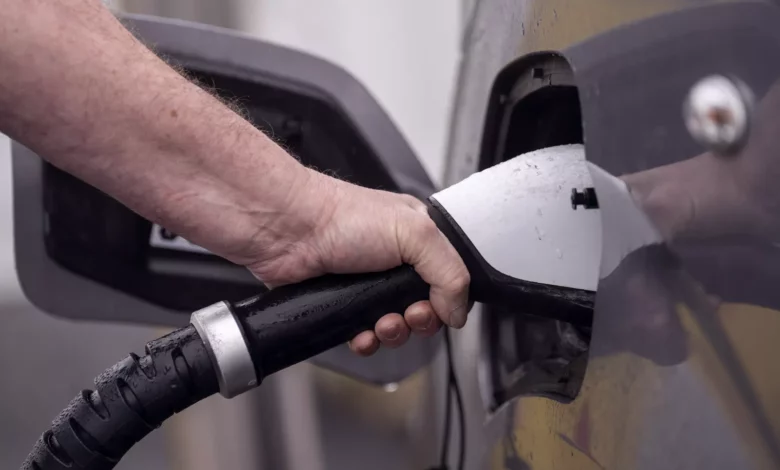
The data underlines the problem sharply. Home charging on off‑peak tariffs can cost as little as 7p to 8p per kWh, translating to roughly £180 to £300 a year for 10,000 miles. By contrast, public rapid chargers typically cost 56p to 76p per kWh, pushing the annual cost above £1,300. A major driver of this gap is VAT: domestic electricity is charged at 5 per cent, while public charging attracts the full 20 per cent rate.
Dennis argued that a “sensible next step to further increase uptake would be to reduce VAT at public chargers, to match the rate levied on domestic electricity”. The RAC’s proposal would directly address one of the biggest financial disincentives for the millions of drivers who cannot charge at home, making the day‑to‑day running costs of an electric car more comparable with those who rely on a driveway socket.
Future challenges and targets
The government aims to have 300,000 public charging points in place by 2030. As of January 2025 there were approximately 73,000 devices, a 37 per cent increase during 2024, but geographical distribution remains uneven and reliability issues persist. Regulatory targets are tightening: the Zero Emission Vehicle Mandate requires manufacturers to sell an increasing percentage of zero‑emission cars and vans each year, reaching 80 per cent for cars and 70 per cent for vans by 2030, with a full phase‑out of new petrol and diesel vehicles by 2035.
On the industrial side, the automotive sector contributed £46.8 billion in gross value added to the UK economy in 2023 and supported more than 552,000 full‑time equivalent jobs. The transition to EV production is creating new employment in battery manufacturing and gigafactories, but experts estimate that up to 90,000 jobs could be lost this decade if the shift is poorly managed. Battery recycling is already regulated under the Waste Batteries and Accumulators Regulations 2009, placing obligations on producers and importers to ensure proper collection, treatment and recycling.
The RAC’s call to cut VAT on public charging remains one of the most direct levers available to policymakers seeking to sustain the momentum behind the two‑million milestone without penalising those who have no choice but to plug in away from home.