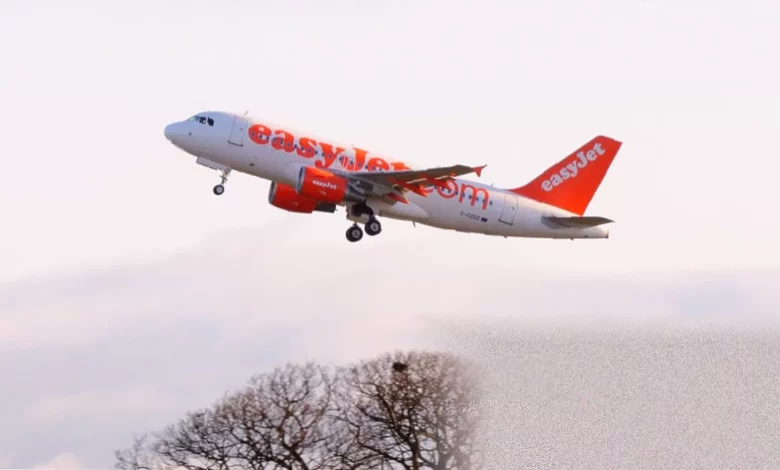
Airlines will no longer face the threat of losing coveted take-off and landing slots at busy UK airports if they are forced to cancel flights because of jet fuel shortages, the government has confirmed, as it urged passengers to stick to their travel plans.
Slot rule exemption
The move amounts to a temporary emergency exemption from the so-called “use it or lose it” rule, which normally requires carriers to operate at least 80% of their allocated slots at “coordinated” airports – including Heathrow, Gatwick, Stansted, Luton, Manchester, Birmingham and London City – during a season to retain them for the following year. Failure to meet that threshold can see slots reassigned to competitors, making the rule a powerful incentive for airlines to fly even at a loss.
Under the change, Airport Coordination Limited (ACL), the independent body that manages slot allocation at UK airports, can now grant exemptions if fuel shortages prevent airlines from flying. The Department for Transport (DfT) said the relaxation would allow carriers to “focus on minimising disruption” rather than flying empty or near-empty aircraft solely to protect their slot portfolios.
The “use it or lose it” rule has been suspended in the past during extraordinary events – including the 9/11 attacks, the SARS outbreak, the 2008 financial crisis and the Covid-19 pandemic. Aviation analyst bodies, such as the International Air Transport Association (IATA), point to a long-standing “justified non-use of slots” mechanism that allows airlines to retain historic rights when disruption is beyond their control, of which this exemption is a specific application.
Lobbying for wider support
The slot rule concession was one of a series of demands presented to ministers by Airlines UK, the industry lobby group that represents major carriers including British Airways, easyJet, Ryanair, Virgin Atlantic, TUI and Jet2. The group has also called for temporary permits to import US-made jet fuel, which has different specifications from UK standards; refinery obligations to guarantee domestic production; and the suspension of Air Passenger Duty and the Emissions Trading Scheme. Another key request – that fuel shortages be classified as “extraordinary circumstances” – would exempt airlines from paying compensation to passengers when flights are cancelled with less than 14 days’ notice. That demand has not yet been granted.
The backdrop to the lobbying is a sharp rise in jet fuel prices linked to the conflict in the Middle East, particularly involving Iran, which has disrupted shipping flows through the Strait of Hormuz. Europe relies on the region for around 75% of its imported jet fuel. The International Energy Agency has warned that the continent has only about six weeks of jet fuel reserves, sparking fears of widespread cancellations during peak summer demand if disruptions persist. Global average jet fuel prices rose 82.8% in a single month to $175 a barrel by mid-March, reaching $197 a barrel by 27 March – up from $95.95 on 20 February. That represents an annual increase of 94.4%. Some airports, including Blackbushe and London Oxford, list Jet A1 fuel at around £1.50 per litre excluding VAT.
Passenger rights and industry response
Despite the slot rule easing, the DfT issued online advice on Friday stating there was “no current need for passengers to change their travel plans”. It said UK airlines had made clear they were “not currently seeing a shortage of jet fuel”, adding that the government was meeting regularly with fuel suppliers and carriers to monitor risks. “We recognise that families may be concerned, and that aviation and tourism businesses are operating in challenging global conditions,” the department said. “We are working hand in hand with industry to help flights keep operating.”
However, passengers are advised to “continue checking with their airlines before they travel” and to ensure they have appropriate travel insurance. Under UK and EU law, if a flight is cancelled, passengers are entitled to a full cash refund or to be re-routed to their destination. Additional compensation of between £220 and £520 per person may be payable if the airline gives less than 14 days’ notice and the cancellation is within its control – a category the industry is fighting to have fuel shortages excluded from. Passengers are not obliged to accept vouchers. For package holidays, the tour operator is responsible for providing an alternative holiday or a refund, and for getting travellers home if their return flight is disrupted.
The European Union has warned of a “very serious crisis” with a “very high” likelihood of holidays being affected by cancellations or significantly higher prices. Some European carriers are already cutting capacity. Lufthansa this week announced the cancellation of around 20,000 short-haul flights from its summer schedule through October, citing soaring fuel costs, and has also suspended services to several Middle Eastern destinations. Other airlines, including Air France-KLM, Thai Airways, Turkish Airlines-Sun Express, and Virgin Atlantic, have reduced services, while Air Canada has dropped all flights into New York’s JFK Airport through October due to fuel prices.
By contrast, UK airlines have largely sought to project business-as-usual. Jet2 on Friday said it would not add any fuel surcharge to flights or holidays booked this summer. Steve Heapy, the chief executive, said: “Holidaymakers should have every right to book their hard-earned break in the sun without worrying about being hit with additional costs, and they can have that complete assurance when they book a flight or holiday with Jet2.” Nonetheless, easyJet’s chief executive has indicated that ticket prices are likely to rise by the end of the summer season, and Cathay Pacific has already increased fuel surcharges on routes between Europe, the USA and Australia.