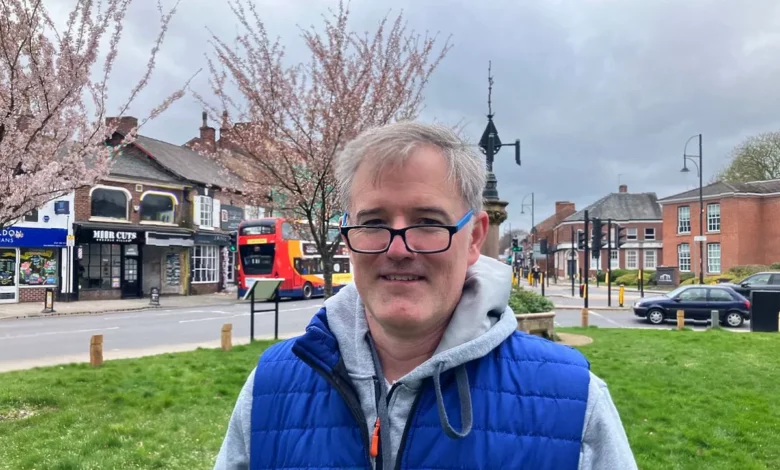
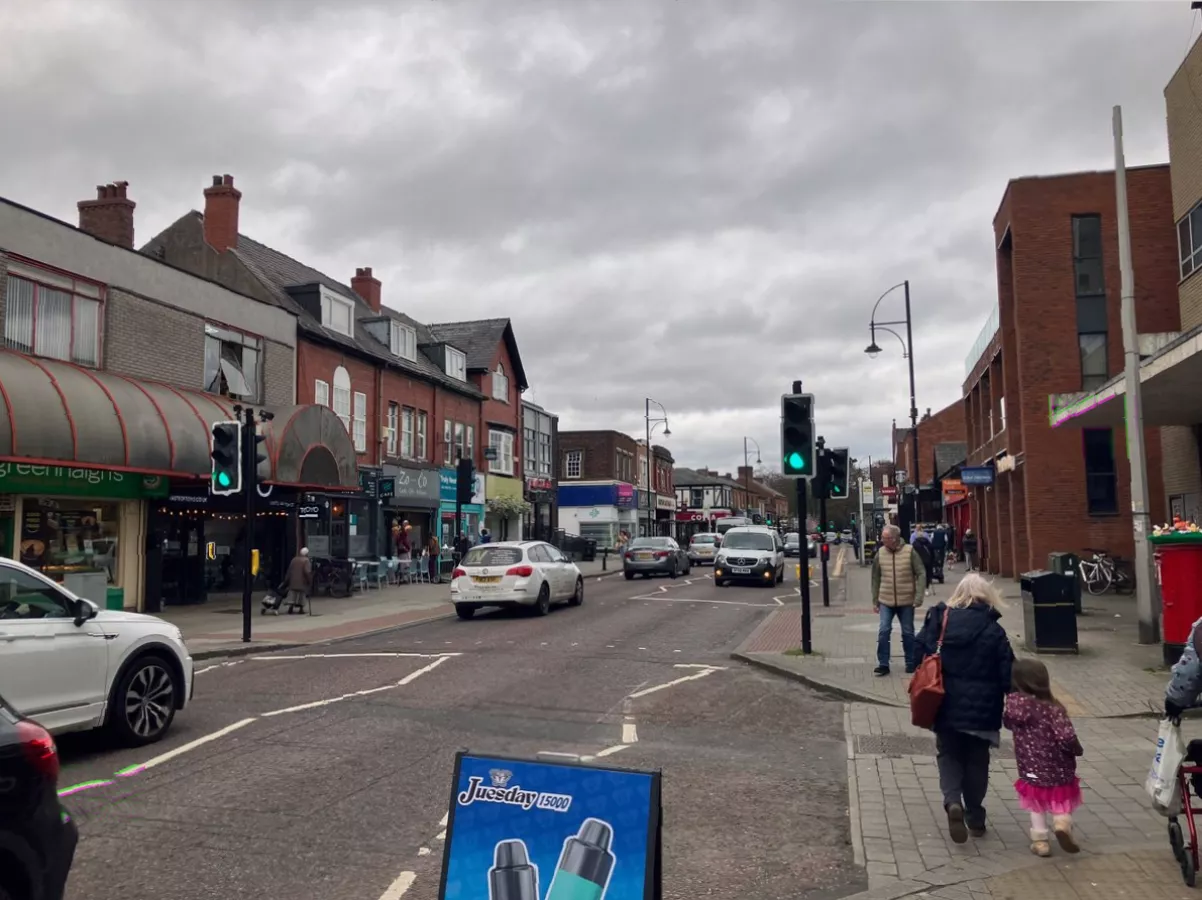
People in Cheadle have issued a blunt message to the authorities over a long-promised railway station: get on with it. For residents like James Lumsden, 49, the message is simple: “We want it here, we wanted it yesterday.” This frustration stems from daily gridlock on Cheadle High Street and the “Manchester Road crawl,” a source of what local MP Tom Morrison calls “real angst” for his constituents.
The village suffers from chronic congestion, particularly between 8am and 9am and again from 3pm to 6pm, as hundreds of vehicles attempt the route into Manchester. “It makes it feel not as nice a place to be,” said Mr Lumsden, who believes a train station would also make local roads safer for children by reducing car traffic. Another resident, Steve McGann, 68, echoed the call, suggesting a station would help local evening trade by providing an alternative to drinking and driving.
A Funded Plan Stuck in the Sidings
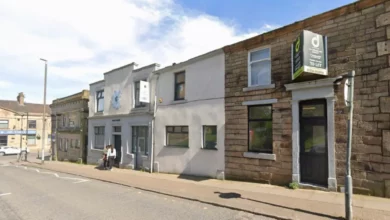
The project is not a pipe dream. In March 2021, the government’s Towns Fund offered Cheadle up to £13.9 million for three local projects, with the new station as a centrepiece. The business case was passed, securing the funding. Stockport Council, which is leading the scheme, secured planning permission in 2023 for a single-platform station located 100 metres north of High Street, accessed from Manchester Road, on the site of the existing staff car park at BMI The Alexandra Hospital. Designs are ready, and the council has stated it is prepared to start work immediately.
The station would connect Cheadle to the mid-Cheshire line, a Northern Trains service running from Chester to Manchester Piccadilly via Stockport. The benefits are clear in travel times: an 18-minute train journey to Manchester Piccadilly, compared to an hour on the bus, and a seven-minute trip to Stockport town centre versus another hour-long bus ride.
The Timetable Tangle: A Station at Others’ Expense?
Despite the funding and planning consent, the scheme has stalled. The central obstacle, according to Keir Mather MP, the parliamentary under-secretary of state for transport, is “several concerns around timetable feasibility and the potential effects on performance.”
Introducing an hourly stop at a new station is not a simple addition. The Rail North partnership board, which decides service changes for Northern and TransPennine trains, is examining the issue. It is now evident that to accommodate Cheadle, the frequency of services stopping at some existing stations—specifically Ashley and Plumley—would need to be reduced. This proposal has sparked significant opposition.
The Mid Cheshire Rail Users Association (MCRUA) has warned that such cuts could leave rural stations like Plumley, Mobberley, and Ashley with just one train every two hours. Furthermore, there are technical concerns about potential delays at key junctions like Edgeley Junction No. 2 near Manchester, and the need to re-time long-distance passenger and freight services. A paper detailing these service changes is being developed for the Rail North board’s next meeting on 15 April. Mr Mather emphasised that after years of poor performance, “any timetable changes must be carefully considered to balance local benefits against wider network impacts.”
This historical context adds weight to the current debate. Cheadle has been without a passenger rail link for decades, having previously been served by stations on the London and North Western Railway from 1866 to 1917 and the Cheshire Lines Committee from 1866 to 1964.
Official Positions and the Wait for a Decision
All official bodies express support for the station in principle while acknowledging the logjam. A Department for Transport spokesperson said Stockport Council must “bring forward proposals that meet the necessary requirements,” adding that the rail minister had recently met with the council to support the work.
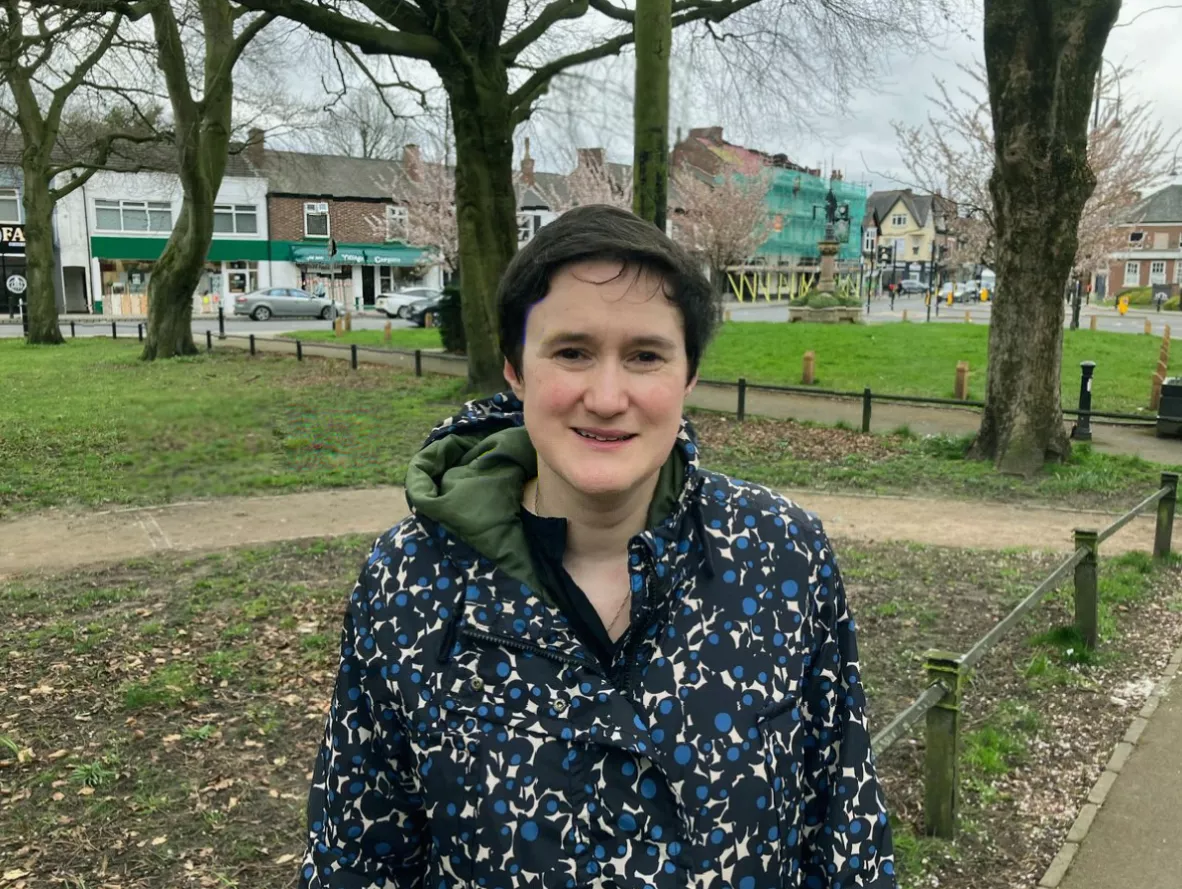
Transport for Greater Manchester said the station would bring “major benefits” but that “the next step is for the rail industry to agree a timetable so construction can begin.” Stockport Council’s cabinet member for highways and transport, Liberal Democrat Councillor Grace Baynham, said the roads were “constantly busy” and that the station would provide a realistic public transport option. “The money is there, the will is there, we have cross-party support,” she said. “We just need the government now to give it the go-ahead.”
A spokesperson for Northern said the company continues to work with stakeholders on proposals, “including a review of the wider timetable implications along the line.” The decision now rests with the Rail North partnership board, whose meeting on 15 April will determine whether a viable path forward for the timetable—and consequently for Cheadle’s long-awaited station—can be found.