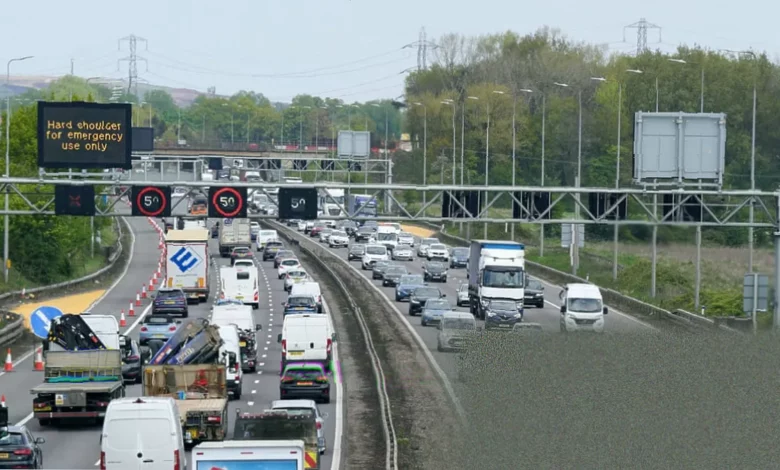
The Easter getaway is set to be the busiest on Britain’s roads in four years, with nearly 21 million leisure journeys planned, despite motorists facing sharply higher fuel prices driven by conflict in the Middle East.
Surge in getaway journeys
According to a joint study by the RAC and traffic analysts Inrix, drivers are planning more than 1 million additional trips between Thursday and Easter Monday compared to last year. This makes it the busiest Easter on the roads since 2022, the first full getaway after Covid lockdowns. The AA predicts Thursday will be the peak for overall traffic, with many schools breaking up, and expects around 19.8 million vehicles on the road that day.
Good Friday is anticipated to see 19.1 million drivers, with the RAC suggesting it will be the peak for leisure trips specifically, at 3.3 million journeys. Saturday is also expected to be very busy with 18.5 million journeys, while Sunday and Monday will see slightly fewer, at around 18.2 million each. Just over half of all travellers expect to cover short distances of under 50 miles. Motivations are varied: about one in five plan to visit friends and family, one in ten aim for outdoor walking or cycling, and 5% intend trips to DIY stores or garden centres.
“After what feels like a very long, wet winter, lots of families are looking forward to the Easter break,” said Lee Morley, an AA expert patrol. The forecast of warmer, sunnier weather for the start of the break is likely to spur even more ad-hoc trips, with coastal routes, town centres, and retail parks expected to be particularly busy.
Driving on despite soaring fuel costs
This determination to travel comes despite a significant surge in fuel costs. The RAC reports that nearly a third of drivers (31%) are increasingly worried about higher prices since the conflict in the Middle East escalated on 28 February. With crude oil prices soaring, the average UK petrol price has risen above 150p a litre for the first time since May 2024, while diesel has reached its highest level since December 2022, exceeding 181p a litre.
The impact on wallets is stark: filling a 55-litre family car with diesel this Easter will cost at least £19 more than last Good Friday, while a tank of petrol will be nearly £8 more. The RAC Foundation estimates UK drivers have already spent an extra £307 million on petrol and diesel since the conflict began, with high diesel prices proving particularly costly for business fleets.
Nevertheless, most people are not changing their plans. RAC research indicates only 6% expect to drive shorter distances and another 6% say they will not drive at all due to the higher prices. “Despite fuel prices rising dramatically due to the conflict in the Middle East, our research suggests Easter remains incredibly important to people as it’s often the first chance to get away since Christmas or to meet up with friends and family,” said the RAC’s Sean Kimberlin. The financial pressure may intensify later in the year, however, as Chancellor Rachel Reeves announced in her November 2025 budget that the 5p-per-litre fuel duty cut would only be extended until August 2026.
Rail engineering works add to road pressure
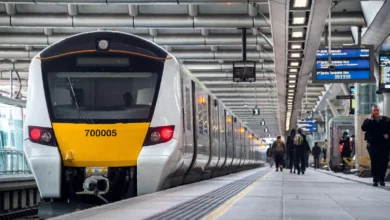
Those considering the train as an alternative will find significant disruption. Network Rail has alerted travellers to “lots of planned essential engineering works and upgrades”, with engineers working on more than 270 projects across Britain over the holiday. This is likely to push more people onto the roads.
Key affected routes include the West Coast Main Line, where there will be no intercity trains between London Euston and Milton Keynes from Friday 3rd to Wednesday 8th April, with buses replacing services. There will be no trains between Preston and Carlisle on Saturday and Sunday due to new equipment installation, and Anglo-Scottish passengers via south Glasgow will be diverted due to track works. Significant works are also planned around London Waterloo, in Margate, and across parts of South London, East Kent, and East Sussex. Travellers are strongly advised to check with National Rail or their train operator before setting out.
The Port of Dover is preparing for a busy period, estimating 37,000 cars will travel through between this Thursday and Sunday 19 April. Thursday is forecast to see around 5,000 outbound cars, rising to approximately 5,500 between 6am and 1pm on Friday. Operation Brock will be in place on the M20 around Dover, which may affect traffic. For those flying abroad, ABTA estimates 2.2 million British holidaymakers will travel overseas, with Good Friday the busiest day. Popular destinations include the western Mediterranean, the Caribbean, Thailand, and South Africa, along with European city breaks. UK tourists heading to the EU should note the full implementation of the new Entry/Exit System (EES), which replaces manual passport stamping, and are urged to allow extra time.