Buckingham Palace privately lodged worries with Downing Street about King Charles’s speech

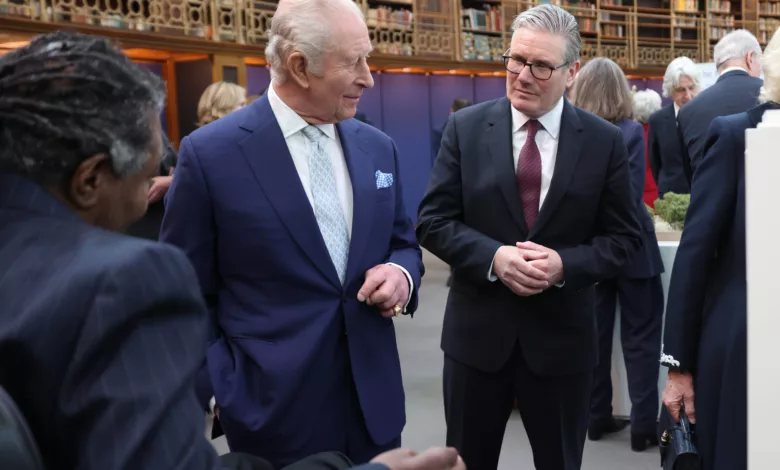
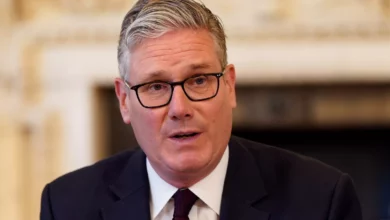
Buckingham Palace privately voiced concerns to Downing Street about King Charles III’s speech at tomorrow’s State Opening of Parliament, sources have revealed, as Sir Keir Starmer fights to hold onto his leadership after devastating local election losses.
Palace advisers conveyed to government officials their determination to keep the monarch out of any political manoeuvring, according to individuals with knowledge of the discussions. “The Palace view is ‘we do not want to be any part of this conversation, do not bring us into it,’” one person familiar with the talks said.
Raising the matter with senior civil servants, including Cabinet Secretary Antonia Romeo, a senior aide to the King asked directly whether the monarch should attend as scheduled. No concrete suggestions of cancelling the State Opening have emerged, however, and officials informed the Palace that proceeding was constitutionally appropriate.
The King’s constitutional role – and why the speech is written by the government
The King’s Speech is the centrepiece of the State Opening, a ceremony that formally marks the beginning of each parliamentary session and is the only routine occasion when the Commons, Lords and Crown gather together. Although Charles will read the address, its content is written entirely by the government of the day.
The monarch’s role is strictly constitutional and ceremonial. He is expected to remain politically neutral, and his speeches are scripted or vetted by ministers. The tradition dates back centuries, with the modern ceremony largely established after the rebuilding of the Palace of Westminster in 1852. Without Parliament being formally reconvened, neither MPs nor peers can debate matters, scrutinise ministers or enact legislation – meaning cancelling the opening would itself create a constitutional problem.
Buckingham Palace has stressed that while the King will discharge his obligations, politicians must resolve their own crisis without drawing the crown into it. To call off the event would risk provoking another constitutional crisis, given the fundamental requirement for Parliament to be opened.
Palace concerns and the awkward timing
Discussions involving both the Palace and Sir Keir’s office acknowledged that the ceremony would prove awkward for the monarch this year, sources said. One person familiar with the talks remarked: “It is very embarrassing for the King that his Government is such a shambles that he has to read out something that may or may not still be the Government’s programme by the end of the week.”
The Cabinet Office declined to comment when approached, and Downing Street said it would not discuss private conversations. Buckingham Palace was also contacted for a statement.
It is understood that no one suggested the State Opening should be cancelled. The Palace view, according to sources, was that shielding Charles from any perception of being drawn into political manoeuvring was paramount, but that the constitutional duty to proceed remained clear.
Starmer’s leadership crisis deepens
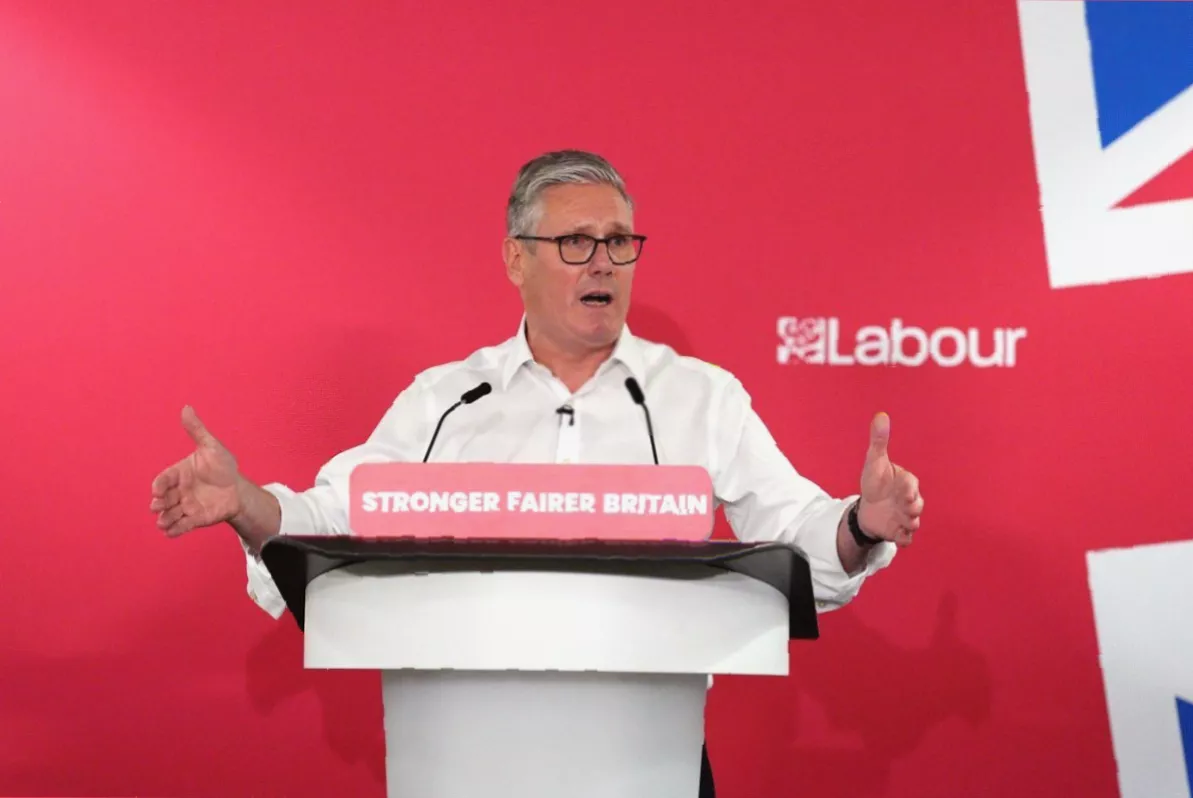
Sir Keir is battling to remain in Number 10 after Labour suffered catastrophic losses in local and regional elections last week. More than 70 of Labour’s 403 MPs have publicly called for his resignation or for a timetable for a leadership contest, with some reports putting the number as high as 100. The Prime Minister’s own supporters have cited Wednesday’s ceremony as a reason for him to stay in post, arguing that it would be destabilising to change leader while Parliament is being reopened.
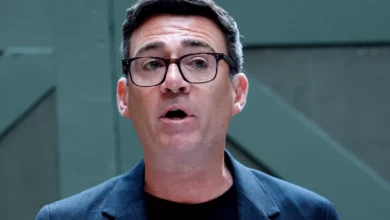
Yet the rebellion shows no sign of abating. Labour MPs argue that the party is failing to connect with voters on the cost of living, public services and immigration, and that the electoral setbacks indicate deeper structural problems. Several senior figures – including Health Secretary Wes Streeting and former deputy prime minister Angela Rayner – are reportedly considering or readying leadership challenges. Rayner has indicated she would back Greater Manchester Mayor Andy Burnham if he ran, but is also said to be texting MPs that she is ready to stand herself.
Starmer has pledged to fight any challenge and insists the majority of his MPs still support him. Some ministers have publicly defended him, insisting the Cabinet is united and focused on governing.
The Prime Minister has dangled the prospect of bold policy announcements in the King’s Speech, including the complete nationalisation of British Steel, a National Wealth Fund Bill, leasehold and commonhold reform, an Energy Independence Act, and legislation to reduce border checks on food as part of post-Brexit alignment. Yet whether any of this agenda will survive is deeply uncertain, with Labour MPs in open revolt and the political landscape shifting by the hour.
Historical precedents for a scaled-back opening
Buckingham Palace and Whitehall have prepared for similar dilemmas in the past. Ahead of the 2015 General Election, when pollsters widely predicted a hung Parliament, contingency plans were drawn up to keep Queen Elizabeth II away from Westminster. Under those arrangements, the Lord Speaker would have delivered the address instead, with the late Queen participating only once it became clear which party could secure Commons support.
Those measures proved unnecessary after the Conservatives secured an unexpected outright majority. The traditional pageantry – mounted soldiers, trumpet fanfares and the royal carriage procession – went ahead as normal.
More recently, reduced ceremonial has been used in 2017, 2019 and 2021, when the Covid-19 pandemic forced the State Opening to be scaled back. Such adaptations demonstrate that the ceremony can be adjusted without being abandoned entirely, though the core constitutional function – the monarch reading the government’s programme – has always been preserved. For now, Charles is expected to undertake his duties as planned, but the private unease at the Palace underscores the fragility of the moment.