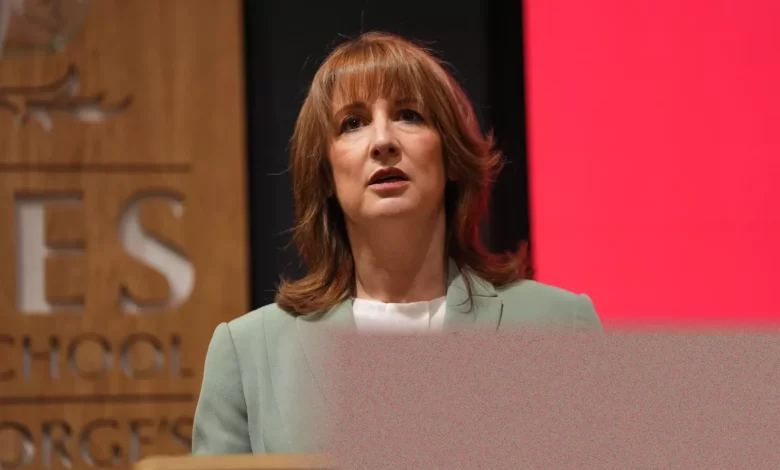
Chancellor Rachel Reeves is confronting a resurgent cost-of-living crisis as the war in the Middle East sends shockwaves through the global energy market, forcing a difficult choice between her own fiscal rules and the financial pressure on millions of households.
The immediate impact is being felt in the forecast for energy bills. Analysts at Cornwall Insight predict the typical annual dual-fuel bill will rise by £332 in July, reaching £1,973 for the period between July and September—a 20% increase on the current price cap. The consultancy attributes this surge to sharp increases in wholesale gas and oil prices following the escalation of the conflict.
A spokesperson for the Department for Energy Security & Net Zero, however, described the forecasts as “highly speculative,” arguing that using short-term wholesale price fluctuations to predict future costs is unreliable. The department stated that tackling affordability remains the government’s top priority.
Broader Economic Threat
Beyond the direct hit to household budgets, the conflict threatens to destabilise the wider UK economy. The Bank of England has already held interest rates steady, reversing earlier market expectations of a cut, and has warned of higher-than-expected inflation. Forecasters now suggest inflation could climb back to 3.5% or higher, with markets pricing in potential further rate rises, which would in turn push up mortgage costs.
Economic growth is also under threat. Oxford Economics has revised its UK growth forecast for this year down sharply to just 0.4%, from a previous estimate of 0.9%. Analysts warn that a prolonged energy shock risks tipping the economy into recession, particularly if oil prices climb towards £110 a barrel.
This bleak economic picture places Chancellor Reeves in a fiscal straitjacket. Her self-imposed rules prevent borrowing to fund day-to-day spending and require national debt to be falling as a percentage of GDP by the 2029-30 financial year. The UK’s debt burden is already historically high, with public sector net debt provisionally estimated at 95.6% of GDP at the end of November 2025—a level not seen since the early 1960s.
Political Pressure and Alternative Plans
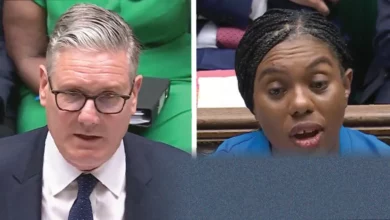
The political response has been sharply divided. Conservative leader Kemi Badenoch has seized on the crisis, accusing Labour of preparing to raise taxes. “Labour’s answer to the ‘worst energy shock in history’? Higher taxes. Families already pay too much,” she posted on social media platform X.
Ms Badenoch set out an alternative plan focused on cutting “green” subsidies, axing carbon taxes on energy generation, and pursuing new drilling in the North Sea, claiming this could cut household electricity bills by 20%. She argued that subsidising bills with borrowed money “just shifts the cost onto taxpayers and fuels inflation.” The Conservative Party’s broader economic policy includes plans to cut £47 billion in government spending to fund tax cuts.
In response, the Chancellor has downplayed the likelihood of a broad, universal energy bailout similar to the £35bn package deployed after Russia’s invasion of Ukraine, citing concern over the nation’s “high debt.” She has, however, confirmed targeted support. A £53 million package has been announced for low-income households struggling with the cost of heating oil, the price of which has doubled in recent weeks. The funding is allocated across England, Scotland, Wales, and Northern Ireland.
Ms Reeves stated that longer-term options for other households are being worked through by a dedicated Treasury group, known as the Iran response board, ahead of the next energy price cap change in June. “We’ve got some time, and we are working through… different approaches that we could take, including looking at more targeted options,” she said.
The Chancellor’s Dilemma
Economists warn that the confluence of factors leaves Ms Reeves with few palatable choices. Martin Beck, chief economist at WPI Strategy, told The Telegraph that the energy shock could leave the UK with “higher underlying inflation, higher interest rates, weaker real incomes, lower investment and a smaller economy and tax base.” He concluded that this may force the Chancellor into “tax rises or spending restraint later to restore compliance with the fiscal rules.”
Paul Johnson, former director of the Institute for Fiscal Studies, suggested the government may instead be forced to relax its own fiscal framework. “They may end up needing to be flexible on their fiscal rules, because this is the kind of situation in which you may not want to be increasing taxes or cutting spending in order to keep borrowing down,” he said.
The urgency of the situation is underscored by plans for an emergency meeting next week between government ministers and the Governor of the Bank of England, Andrew Bailey, to discuss measures to support households. With the UK’s economic outlook darkened by a distant war, the Chancellor’s next move will be a defining test of her fiscal resolve.