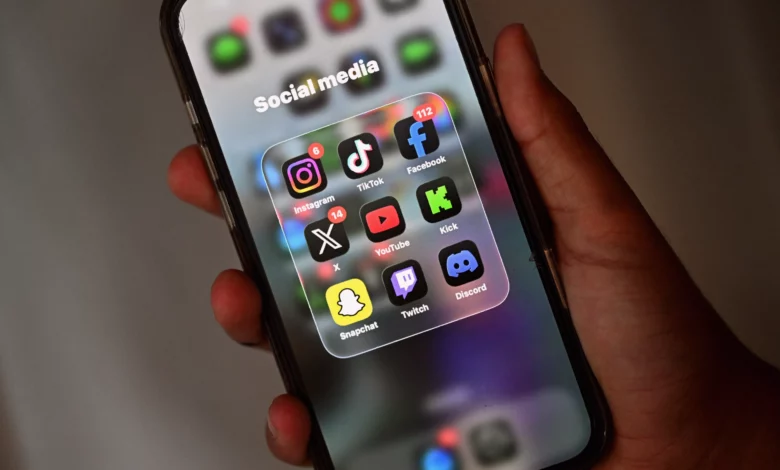
MPs are set for a decisive clash on Monday over how to protect children online, with the Government moving to replace a proposed blanket social media ban for under-16s with a more flexible legal power that critics have labelled a “blank cheque” for further delay.
The House of Lords had previously voted emphatically in January 2026 to insert a ban into the Children’s Wellbeing and Schools Bill, backing an amendment by 261 votes to 150. That measure would have compelled social media companies to implement “highly effective” age-assurance measures within a year, effectively barring access for younger teenagers.
However, ministers are now pushing an amendment that would grant them discretionary authority to restrict children’s access to “specified internet services” rather than impose a strict age limit. If approved, this would empower the Government to enact measures such as social media curfews or screen time restrictions, but without mandating a ban.
Political Battle Over a ‘Blank Cheque’
The architect of the Lords’ ban, Conservative peer Lord Nash, has condemned the Government’s alternative as a “blank cheque” that commits only to further delay. A former minister, Lord Nash told the Press Association that raising the age limit to 16 was “far from their preferred option” and argued his proposal was “the only legislative vehicle on the table” to force the Government’s hand.
“MPs must choose on Monday whether to act now and raise the age limit for harmful social media to 16, or vote for the Government’s amendment,” he said, warning that the alternative offers “simply yet another opportunity for big tech to mobilise their lobbyists and water down any prospective measures”. Lord Nash has backed a letter-writing campaign by the organisation RaiseTheAge.org.uk ahead of the Commons debate.
His stance is rooted in a belief that the UK faces a “societal catastrophe” due to children’s social media addiction, a view supported by studies linking increased use to higher risks of mental health concerns, anxiety, depression and inattention symptoms. Research indicates that platform features like infinite scroll and autoplay are deliberately designed to be addictive.
Government’s Consultation and International Context
Concurrently, the Government has launched a three-month online safety consultation, which began on 19 January 2026. Technology Secretary Liz Kendall said it would explore whether social media should have a minimum age requirement, if stricter age checks are needed, and whether addictive features like autoplay should be switched off. “We know parents everywhere are grappling with how much screen time their children should have,” she said, urging families to contribute to the consultation, which is expected to report by the summer.
The UK’s deliberations come amid a shifting international landscape. Australia implemented a ban on social media for under-16s in December 2025, while countries including France, Denmark and New Zealand are considering similar policies. This global trend underscores widespread concern about online harms, but also highlights the vigorous lobbying efforts against such regulations. Reports indicate that technology giants like Alphabet, Meta and ByteDance have spent millions and deployed numerous lobbyists to influence legislation.
Beyond a potential ban, the Government’s consultation is examining alternative measures, such as social media curfews, restrictions on “doom-scrolling,” and raising the digital age of consent from 13 to 16. It also aims to close loopholes in laws related to AI chatbots.
Broad Support and Cautions
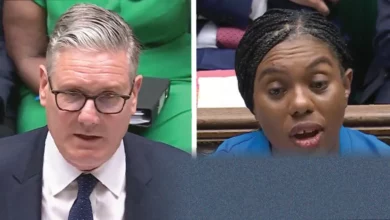
Support for stricter action extends across party lines. Over 60 Labour MPs have joined Conservative voices in backing similar ban measures, and a public petition created by Sertip Zangana calling for a ban has garnered over 68,000 signatures. Conservative Leader of the Opposition Kemi Badenoch is an advocate for a complete ban, while Labour leader Keir Starmer has indicated he would consider supporting one after reviewing evidence from the consultation.
However, some organisations urge caution. The National Society for the Prevention of Cruelty to Children (NSPCC) has warned that a blanket ban might inadvertently push children towards less regulated platforms or unsafe online spaces.
The broader Children’s Wellbeing and Schools Bill, which houses this debate, aims to improve child safety and education through provisions including strengthened safeguards in children’s social care, regulation of social worker agencies, free school breakfast clubs, and a register of children not in school.
With the Commons vote imminent, the Government seeks to balance parental concerns and evidence of harm with the risks of overreach and unintended consequences. The outcome will pivot on whether MPs opt for the immediate mandate of a ban or the adaptable, but deferred, powers proposed by ministers.