Hundreds of British adolescents to participate in six-week social media restrictions for significant research

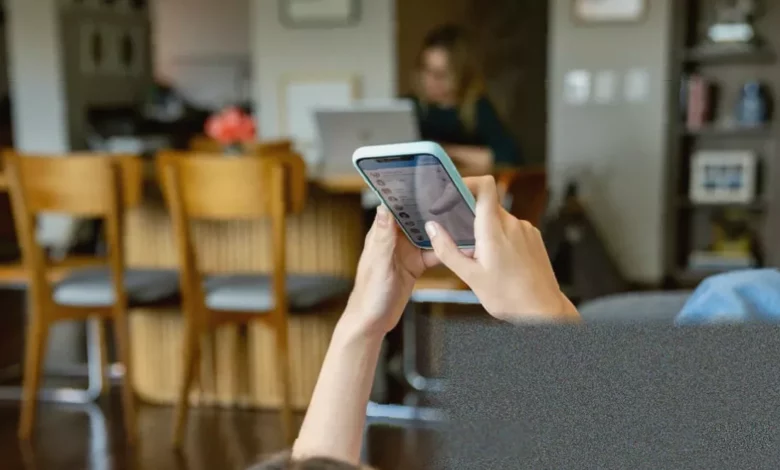
Hundreds of teenagers across the UK are to participate in a live pilot scheme that will see some subjected to complete social media bans, others to overnight digital curfews, and a further group limited to just one hour a day on platforms like TikTok, Instagram, and Snapchat. The six-week government-led trial, involving 300 13 to 17-year-olds from all four nations, aims to gather real-world evidence on how such restrictions affect daily life, family dynamics, sleep, and schoolwork.
The participants will be split into four distinct groups for the duration. One will have their social apps disabled entirely to mimic a home ban, with parents instructed on using parental controls. A second will face a strict one-hour daily time limit on major platforms, while a third will be subject to a digital curfew blocking access between 9pm and 7am. A final control group will experience no restrictions, allowing researchers to compare outcomes. Both parents and teenagers will be interviewed before and after the pilot to assess the impact and any practical challenges encountered.
Consultation and a World-First Scientific Trial
This practical experiment runs in parallel with a major government consultation on children’s digital wellbeing, titled “Growing up in the online world: a national conversation”, which closes on 26 May. Nearly 30,000 parents and children have already responded. The consultation explores a range of potential measures, including statutory minimum ages for social media, raising the digital age of consent, restricting features like livestreaming, and making guidance on mobile phones in schools statutory.
Alongside these initiatives, an independent study, described as the world’s first major scientific trial of its kind, will examine the impact of reducing social media use among adolescents. Funded by the Wellcome Trust and co-led by the Bradford Institute for Health Research and Professor Amy Orben from the University of Cambridge, the so-called “IRL Trial” will involve around 4,000 students aged 12-15 from 10 Bradford secondary schools.
The trial, expected to launch fully in autumn 2026, will use a bespoke app to cap daily use and block access at night. Participants will be randomly allocated to an intervention group with these restrictions or a control group. It will scrutinise changes across a broad spectrum of metrics: anxiety and sleep quality, wellbeing, body image, social comparison, time spent with friends and family, school absences, and bullying. Data analysis is aimed for completion by summer 2027.
Professor Amy Orben, an internationally recognised expert on digital technology’s links to adolescent mental health, leads the Digital Mental Health Group at Cambridge. Her work underscores the complexity of the issue, noting that simply measuring time spent online is too simplistic; future research must consider types of platform use, interaction methods, and signs of unhealthy behaviour.
Political Pressure and Legislative Wrangling
The government’s actions come amid mounting political pressure to follow other nations. Australia introduced the world’s first social media ban for under-16s in December 2025. The European Parliament has passed resolutions calling for a default minimum age of 16, with parental consent for 13-16 year olds, and a complete ban for under-13s, citing concerns that “addictive design features are often inherent to the business model of platforms”. France, Spain, and Indonesia are also considering similar bans.
In the UK, the issue has sparked legislative battles. Peers in the House of Lords voted to amend the Children’s Wellbeing and Schools Bill to include a clause mandating a social media ban for under-16s, an amendment tabled by Conservative peer and former minister Lord John Nash. However, MPs in the House of Commons subsequently rejected this proposed ban. Instead, the Commons supported a government move to grant the Secretary of State new powers to restrict or ban children’s access to social media and chatbots, limit VPN use, and change the digital age of consent.
Reacting to the pilot scheme, Lord Nash was scathing, calling it “simply half measures that once again put the pressure on parents rather than holding big tech accountable and halting the horrific harms that social media is inflicting on a generation.” He has previously described the current situation as a “societal catastrophe”.
Reactions from Bereaved Parents and Charities
A group of bereaved parents, whose children have died in cases linked to social media, have written to parliamentarians urging them to support an immediate ban. They stated they are “deeply concerned” about the government consultation, which they accused of being “announced at the 11th hour” and leaving insufficient space for frontline professionals like GPs and police officers. They accused politicians of “dithering and delaying” and lacking courage, arguing that parents are currently “fearful, overwhelmed and doing their best to protect their children in a system that is not designed to help them.”
The charity the NSPCC has also weighed in. Its chief executive, Chris Sherwood, said that if the government does not take action to combat “failing” tech companies, a social media ban would be better than the status quo. The charity advocates for forcing tech firms to keep under-13s off their platforms, preventing addictive design, and using the law to protect children from illegal images. However, the NSPCC also warns that a blanket ban could drive teenagers to “less regulated corners of the internet,” a concern echoed by the Children’s Commissioner’s Youth Ambassadors, who have suggested tougher restrictions and greater company accountability may be more effective than an outright prohibition.
Technology Secretary Liz Kendall defended the pilot approach, stating it was about “testing different options in the real world.” She said the evidence gathered would inform the government’s next steps.