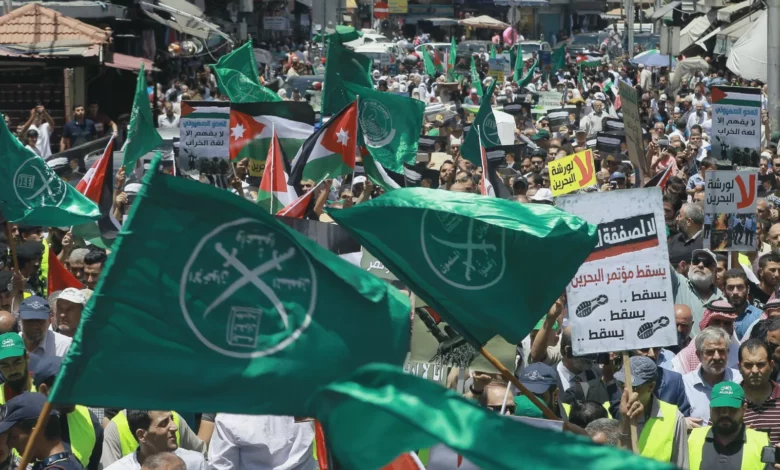
A major new report from a Westminster think tank is urging the government to ban the Muslim Brotherhood, warning that its ideological campaign and strategy of societal infiltration present a profound and long-term risk to national security.
The study, authored by Emma Schubart for the Henry Jackson Society (HJS), argues that the UK has relied on “outdated assessments” of the transnational Sunni movement, creating a “permissive operating environment” unmatched by key allies. It calls for ministers to “consider banning the Muslim Brotherhood under existing counter-terrorism legislation” and to implement far stronger oversight of charities and advocacy groups believed to form its decentralised network.
The ‘Entryism’ Strategy: A Core Concern
Central to the report’s argument is the allegation that the Brotherhood pursues a deliberate and gradual strategy of “entryism”. This involves embedding its supporters and ideology within civil society organisations, democratic institutions, charities, and community groups to expand its influence subtly over time. The report warns that this approach allows the movement to operate legally, often below the threshold of terrorism legislation, while still shaping political and social outcomes to align with its Islamist agenda.
This concern echoes findings from an official 2015 UK government review, which noted that Muslim Brotherhood-associated groups had achieved “significant influence” on national organisations and some mosques. The new report cautions that the movement is deliberately opaque, making its activities difficult to counteract, and alleges it aims to establish “parallel Islamic ecosystems”. It calls for a major strategic shift, urging authorities to explicitly recognise and prioritise countering this form of “non-violent Islamist extremism”.
Historical Links and a “Gateway” to Extremism
Justifying its severe recommendations, the HJS report alleges deep historical and ideological links between the Muslim Brotherhood and extremist groups, particularly Hamas. It states that the Palestinian militant group, itself an offshoot of the Brotherhood, has benefited from this connection, and that Brotherhood narratives can act as a “gateway to more extreme ideologies” even where no direct involvement in violence exists.
These claims are bolstered by recent international action. In January 2026, the US Treasury and State Departments designated the Egyptian and Jordanian branches of the Muslim Brotherhood as global terrorists for providing material support to Hamas. A US statement said the Brotherhood had “inspired, nurtured, and funded terrorist groups like Hamas.” The HJS report also references the influence of Brotherhood ideologues like Sayyid Qutb, whose writings are known to have inspired terrorist acts.
A Changing International Landscape
The report positions the UK as an outlier in a growing international consensus. It notes that “states across Europe, North America, Africa, and Asia have either banned the Muslim Brotherhood outright or designated its branches… as terrorist organisations.” In the Middle East, Egypt, Saudi Arabia, the UAE, and Bahrain have proscribed the group, with Jordan following suit in April 2025.
European nations have also taken a harder line. Austria became the first European country to ban the organisation under its anti-terrorism laws in 2021. A confidential French government-commissioned report in May 2025 alleged Brotherhood-inspired networks were seeking influence in schools, mosques, and NGOs, prompting wider scrutiny across the continent. Germany’s domestic intelligence service has long monitored groups considered close to the movement.
The UK’s Ambiguous Past and Present Stance
This latest call for a ban contrasts with the UK’s historical stance. A 2015 government review ordered by then-Prime Minister David Cameron concluded that while aspects of the Brotherhood’s ideology were “contrary to our values and national interests” and it had a “highly ambiguous relationship with violent extremism,” it should not be banned. That review did state, however, that membership or association with the Brotherhood should be considered “a possible indicator of extremism.”
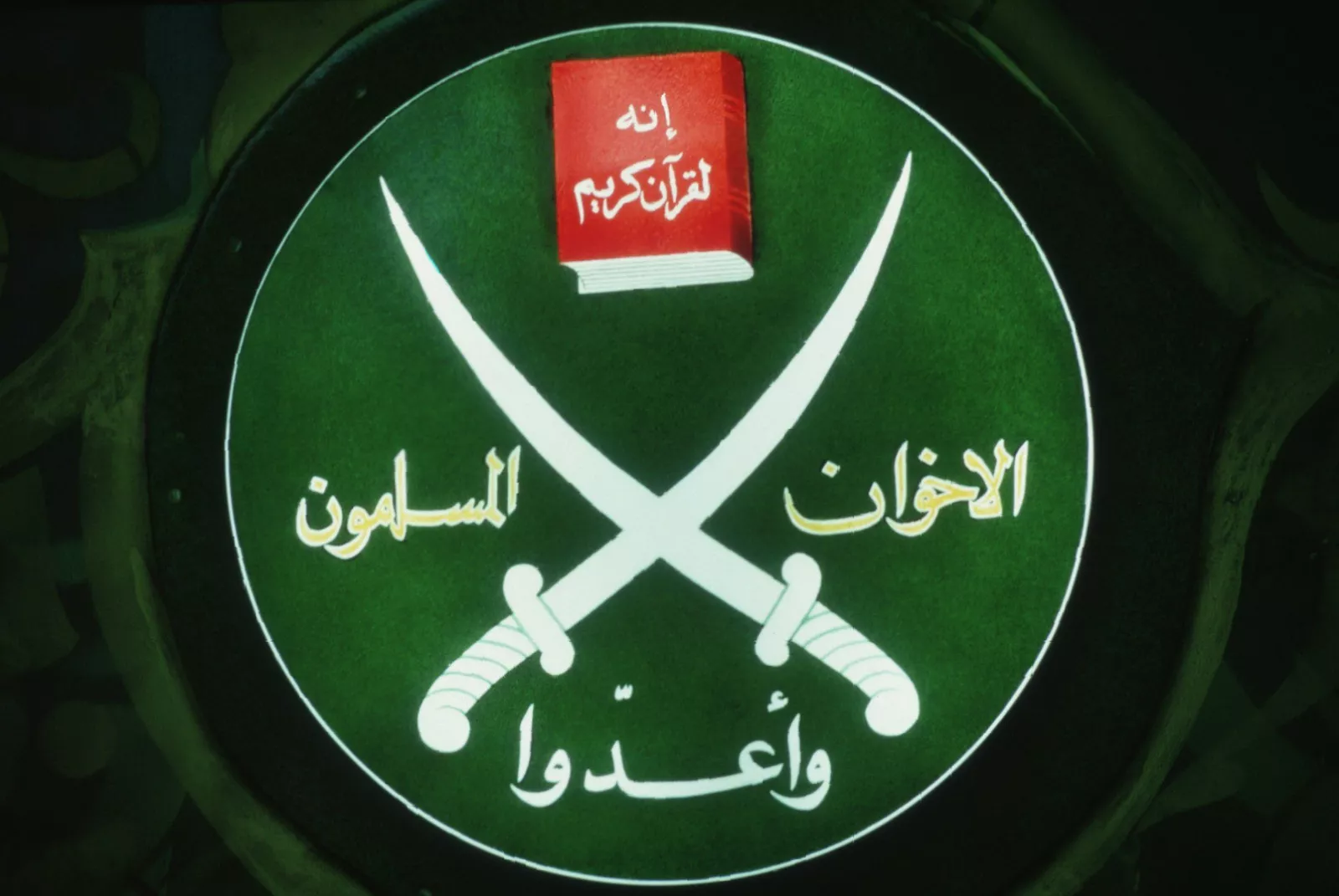
The current government’s position appears under review. A Downing Street spokesman has previously confirmed the Muslim Brotherhood is “under consideration” for proscription. In response to the new HJS report, a Home Office spokesman said: “All forms of extremism have absolutely no place in our society and we keep the list of proscribed organisations under close review. We have some of the strongest laws in the world to protect our citizens from hatred and terrorism.”
The Henry Jackson Society, which has produced previous reports on the group and was paid over £83,000 by the Home Office for a related report between 2015 and 2017, states its case is not about the religion of Islam but a specific political ideology. The report stresses: “The issue is not Islam, a religion of peace and private devotion, but a specific Islamist ideology that seeks to subvert democratic norms.” The Muslim Brotherhood has historically rejected accusations of extremism, stating after a US designation that it has “a clean record and a clear history”.