Prime Minister Sir Keir Starmer is facing accusations of profound hypocrisy over his government’s appointments, with former Conservative minister Jacob Rees-Mogg alleging that Starmer’s actions have betrayed his own solemn pledges to eradicate sleaze and cronyism from British politics.
Rhetoric Versus Reality
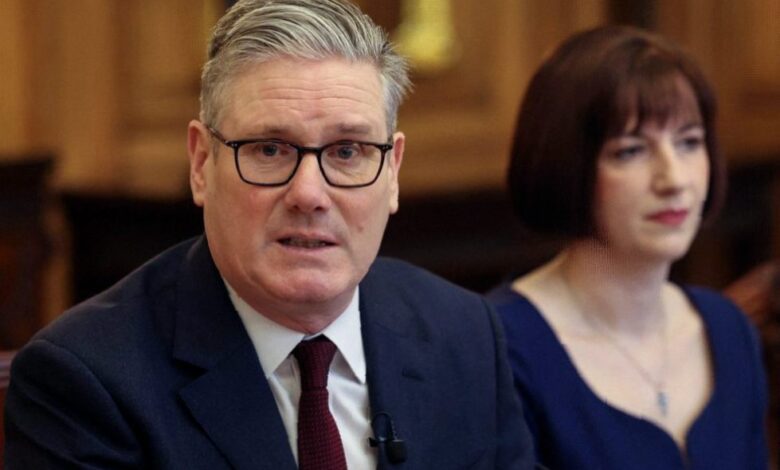
As Leader of the Opposition, Sir Keir Starmer set out a staunch ethical platform. He vowed to “rebuild trust by reforming the centre of Government, cleaning up sleaze” and declared, “We need to clean up politics. I will restore standards in public life with a total crackdown on cronyism.” He further committed to empowering the ministerial standards watchdog and ensuring consequences for failing ministers, famously asserting that “you cannot be a lawmaker and a law breaker.”
The Epstein Connection: Lord Mandelson’s Appointment
These promises now anchor the criticism against him, centred on his appointment of Peter Mandelson as the UK’s ambassador to the United States. Lord Mandelson had a longstanding friendship with the financier Jeffrey Epstein, who was convicted in 2008 for soliciting prostitution from a minor and later charged with sex trafficking. Their association, documented from at least 2002, continued after Epstein’s initial conviction.
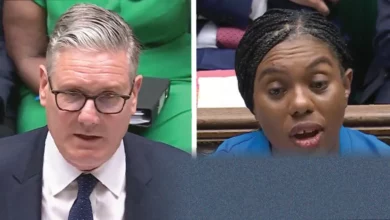
In the House of Commons, Conservative leader Kemi Badenoch challenged the Prime Minister, asking if security vetting for Mandelson had mentioned his relationship with Epstein. Sir Keir confirmed, “Yes it did,” according to parliamentary reports. This admission has drawn direct parallels with Starmer’s past accusations that Boris Johnson promoted individuals despite knowledge of “predatory behaviour”.
The controversy intensified following the release of emails by the US Department of Justice, which revealed Mandelson’s ongoing contact with Epstein after his conviction. In September, Starmer dismissed Mandelson from the ambassadorial post. Subsequently, Mandelson resigned from the Labour Party and is under investigation for alleged misconduct in public office linked to the Epstein relationship. He has also been removed from the list of Privy Counsellors.
Responsibility for advising the appointment has been placed on Morgan McSweeney, Starmer’s chief of staff at the time, who was aware of the Epstein connection. McSweeney has since resigned from his role.
A Pattern of Controversial Appointments
The Mandelson case forms part of a broader pattern of contentious appointments. Sue Gray, the civil servant who led the ‘Partygate’ inquiry, was appointed by Starmer as Chief of Staff to the Leader of the Opposition and later as Downing Street Chief of Staff. A Cabinet Office inquiry found she had breached the Civil Service code. Gray later resigned, stating her position had become a distraction, and assumed a new role as the Prime Minister’s envoy for the UK’s nations and regions.
Chris Wormald, appointed Cabinet Secretary by Starmer in late 2024, was criticised by the Covid-19 Bereaved Families for Justice UK. By July 2025, reports suggested Starmer and his aides experienced “buyer’s remorse”, viewing Wormald as too entrenched for reform. Wormald stepped down in February 2026, with his departure linked to the Mandelson scandal and a wider political crisis.
Rees-Mogg’s Critique and Context
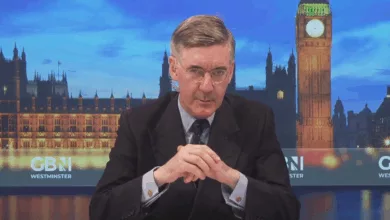
Leading the charge is Jacob Rees-Mogg, the traditionalist conservative former MP for North East Somerset. He has starkly contrasted Starmer’s past rhetoric with his conduct, accusing the Prime Minister of believing “there’s one rule for him and another for others” and asking if Starmer, who once asked of another Prime Minister “did he have no shame?”, now faces the same question.
Rees-Mogg, who has previously dismissed parliamentary concerns about sleaze, now labels Starmer’s behaviour as “humbug”, suggesting the Prime Minister “cannot sleep straight in his own bed because he is so crooked”. Rees-Mogg himself has faced scrutiny for his alleged role in feeding a discreditable line about Sir Keir Starmer and Jimmy Savile to Boris Johnson during the latter’s premiership.
The convergence of these cases has ignited a fierce debate over whether the Starmer administration is upholding the standards it once vociferously championed, with opponents alleging a fundamental breach of trust and a descent into the very cronyism it pledged to extinguish.