ICC judges disclose sanctions caused credit card cancellations and Google account shutdowns

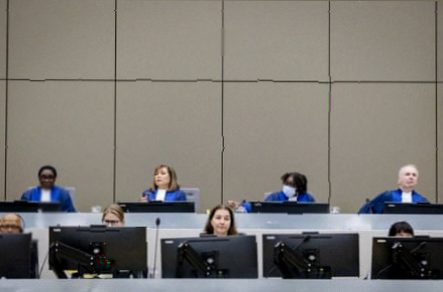
The daily realities of international justice have taken a sharply personal turn for judges at the International Criminal Court in The Hague, as they find themselves targeted by sweeping American sanctions. For Canadian judge Kimberly Prost, the shock was profound. “It really was a moment of a bit of disbelief,” she said, upon learning she had been placed on a US sanctions list typically reserved for terrorists and organised crime figures. The fallout was immediate and tangible: her credit cards were cancelled, her Amazon and Google accounts were shut down, and even her Alexa virtual assistant fell silent as US companies complied with the order.
The measures, imposed by the administration of President Donald Trump, have to date been applied to 11 ICC officials, including the court’s chief prosecutor and eight judges. They include travel bans to the United States, asset freezes, and the threat of fines or prison for American companies providing them services. For Judge Prost, who once worked on UN sanctions programmes, the reach was startling. “It has such a serious impact in terms of day-to-day life, it’s not symbolic,” she said. Simple acts like booking an Uber, reserving a flight, or making a bank transfer became fraught with uncertainty.
A Global Financial Grip and Familial Fallout
The weight of the US in the global financial system magnified the sanctions’ bite. Peruvian judge Luz del Carmen Ibáñez Carranza found her credit card cancelled by her bank in the Netherlands, a European institution she said was “terrified about their relations with US banks.” More painful, however, was seeing the dragnet ensnare her daughter, who had her US visa and Google accounts cancelled despite having no link to the ICC. “This is pure retaliation for something she hasn’t done,” Judge Ibáñez Carranza said, noting a pattern where spouses, parents and children of officials have been affected.
This is the second time she has been targeted by a global power for her ICC work. In December, a Russian court tried her in absentia, along with the chief prosecutor and other judges, sentencing them to prison after the ICC issued an arrest warrant for Vladimir Putin over the invasion of Ukraine. Yet the US sanctions, she indicated, operate on another level entirely.
The Legal Battleground: Afghanistan, Israel, and Executive Orders
The Trump administration’s actions stem from longstanding opposition to the court’s jurisdiction. Neither the US nor Israel are among the 125 signatories to the Rome Statute, the 1998 treaty that established the ICC. In an executive order last year, President Trump accused the court of “illegitimate and baseless actions targeting America and our close ally Israel”. The order, Executive Order 14203 issued in February 2025, re-imposed sanctions after an earlier order (13928) was revoked by the Biden administration.
The sanctions are a direct retribution for specific ICC investigations. Judges Prost and Ibáñez Carranza were sanctioned for their roles in authorising an investigation into alleged war crimes by US personnel in Afghanistan. Other judges were targeted for authorising arrest warrants against Israeli Prime Minister Benjamin Netanyahu and former Defense Minister Yoav Gallant over alleged crimes in Palestine. The administration has argued the ICC sets a dangerous precedent for US personnel.
International Condemnation and Isolated Support
The move has triggered a robust international defence of the court. Seventy-nine countries, including Canada, Brazil, Denmark, Mexico, and Nigeria, issued a joint letter stating the sanctions “increase the risk of impunity for the most serious crimes and threaten to erode the international rule of law”. The ICC itself condemned what it called a “flagrant attack” on its independence, pledging to “stand firmly by its personnel”.
Legal bodies have been scathing. The International Bar Association described the actions as “an attack against the global rule of law and the independence of judges”. UN experts warned they represent a “direct assault against the independence of the tribunal and a devastating blow to victims worldwide”. Isolated support has come from nations such as Hungary, which has openly endorsed the US decision.
Resolve Amidst a Complicated Panorama
The sanctions add to existing challenges for the court, which has also seen its top prosecutor, Karim Khan, face allegations of sexual misconduct, which he denies. Internally, there are fears Washington could expand sanctions to target the institution as a whole. “The concern is the sanctions will be used to shut the court down, to destroy it rather than just tie its hands,” one ICC official said last year. The court has since implemented preventative measures, according to Judge Prost.
Despite the personal hardship, the targeted judges are unwavering. “These measures are completely futile,” Prost stated. “I can say that, on behalf of all of the judges of this court and the prosecutors, we will continue to do our jobs independently. It does not affect the way we look at our cases or how we decide them.” Judge Ibáñez Carranza emphasised the court’s critical role in prosecuting crimes when nations cannot or will not, serving “millions and millions of women and children who have no voice.” Her call, and that of her colleagues, is for the world to defend an institution they see as fundamental to global justice.