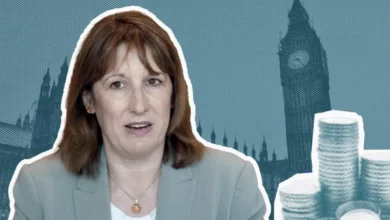
New ISA restrictions from 2027
Investment platforms are beginning to scrap interest payments on uninvested cash, a move that signals the industry is bracing for sweeping changes to ISA rules due to take effect in 2027. Chancellor Rachel Reeves used the 2025 Autumn Budget to announce a series of restrictions on cash ISAs, aimed squarely at pushing savers toward investing rather than holding cash. The Treasury wants to get more people investing, ideally in UK stocks, in order to revitalise the stock market, boost the economy and provide funding for UK companies.
From April 2027, savers under the age of 65 will be allowed to put no more than £12,000 into a cash ISA each tax year – a sharp reduction from the current £20,000. The overall annual ISA allowance will remain at £20,000, meaning that anyone under 65 who wants to use the full allowance must put the remaining £8,000 into a stocks and shares ISA or another eligible ISA type. Individuals aged 65 and over will retain the full £20,000 cash ISA allowance.
Transfers from stocks and shares ISAs into cash ISAs will be banned under the new rules. Transfers between cash ISAs will still be permitted. In addition, HM Revenue & Customs (HMRC) will introduce a charge on interest earned from cash held within stocks and shares ISAs and innovative finance ISAs. The aim is to disincentivise investors from keeping cash holdings in a stocks and shares ISA for long periods and instead encourage them to put the money back into the market. HMRC is due to consult on the specifics of the charge, and there is some expectation that the proposals may be watered down or implemented with a lighter touch than initially suggested.
HMRC will also introduce tests to determine whether an investment is too “cash-like” to be held inside a stocks and shares ISA, which could affect money-market funds and short-duration bonds. The overall annual ISA allowance of £20,000 has been frozen until at least April 2031. Outside ISAs, tax rates on savings interest are also rising from April 2027 – 22% for basic-rate taxpayers, 42% for higher-rate, and 47% for additional-rate – making the ISA wrapper even more valuable. Dividend tax rates increased from April 2026. The Autumn Budget also included a “mansion tax” and an increase in tax on property income from April 2027. Plans are under way to consult on a new scheme for first-time buyers to replace the Lifetime ISA, while the Treasury, the Financial Conduct Authority and the Money and Pensions Service are supporting campaigns such as “Invest For The Future” to boost investment culture and awareness. Building societies have expressed concerns that the reduced cash ISA allowance could deter savers, particularly those saving for house deposits, and potentially lead to a less competitive mortgage market.
Platforms adapt ahead of reforms
For now, most major investment platforms are still paying interest on uninvested cash. But J.P. Morgan Personal Investing appears to be getting its investors ready for the changes now. The robo-wealth manager has unveiled plans to remove the interest paid on cash-only pots from 22 June 2026. Currently, cash-only pots – money that investors can use to drip‑feed funds into their portfolio or to protect a balance from market movements ahead of a withdrawal – earn interest at the Bank of England base rate minus 2.5%. Interest on cash held in the investment pot that goes towards management fees is paid at the base rate minus 0.75%. From 22 June, cash-only pots will no longer accrue interest, though they will remain available for holding cash and drip‑feeding money. Any interest accrued up to but not including 22 June 2026 will be paid into the pot at the end of the current quarter. Interest will still be paid on cash held in investment pots.
BestInvest currently pays 2.98% AER interest on cash holdings within any of its investment accounts. Its managing director, Jason Hollands, said there are no plans yet to change the way cash is treated in its stocks and shares ISA, while HMRC has yet to firm up its plans. MoneyWeek has asked the major platforms what their plans are once a charge is introduced.
Current interest rates on uninvested cash
Interest rates vary considerably among platforms. AJ Bell’s stocks and shares ISAs, lifetime ISAs and junior ISAs pay 1.75% interest on all cash balances. Its “Dodl” app offers a higher rate of 3.80% AER variable on cash held in investment ISA and Lifetime ISA accounts. AJ Bell’s SIPP and Junior SIPP accounts pay 2.05% AER on cash balances up to £100,000 and 2.40% on balances above that.
Interactive investor pays tiered rates on ISAs and junior ISAs: 1.11% on the first £20,000, 1.26% on the value between £20,000 and £50,000, 1.36% between £50,000 and £100,000, and 2.21% on the value above £100,000. For SIPP accounts the rates are up to 2.32% AER, and for trading accounts up to 1.81% AER.
Hargreaves Lansdown users earn 1.51% on cash balances between £0 and £19,999, 1.18% between £20,000 and £99,999, 2.02% between £100,000 and £999,999, and 2.38% on balances worth £1 million and higher. Its easy‑access cash ISA offers 4.00% AER variable. Hargreaves Lansdown expects to receive interest of between 0.5% below and 0.5% above the prevailing Bank of England base rate on cash balances held in its client bank accounts and SIPP trustee bank accounts.