Readers have voiced alarm that the government’s planned overhaul of the sick note system risks undermining a vital safety net that currently helps people remain in work while recovering from serious illness. Far from being a tool for shirking, fit notes are frequently used by employees to secure phased returns, workplace adjustments and continued access to benefits – and many fear that removing GPs from the process could leave vulnerable patients exposed to pressure they are not well enough to withstand.
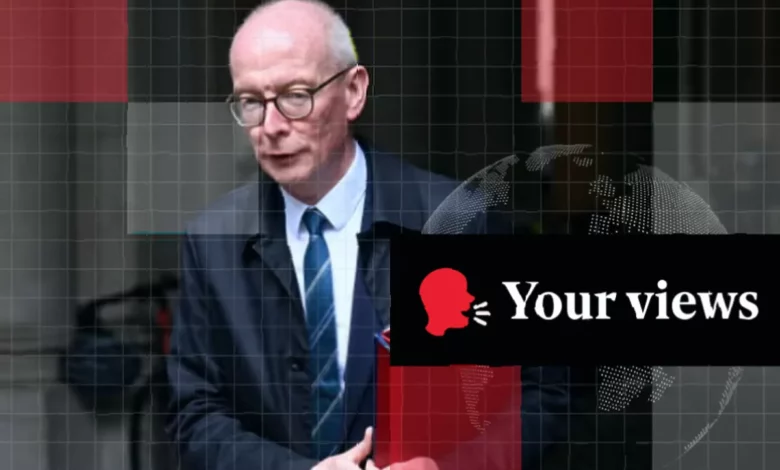
Under pilot schemes being tested in four areas of England, GPs in some locations will stop issuing fit notes altogether. Instead, patients will be referred directly to support services staffed by a mix of clinical and non-clinical workers, including social prescribers and work and health coaches, who will draw up personalised “stay in work” or “return to work” plans. The government has said the reforms are designed to replace what it calls a “tick-box” system with active support, with the goal of keeping more people connected to employment while they recover. Work and Pensions Secretary Pat McFadden has described the current fit note as a “dead end” that provides a piece of paper signifying an inability to work but offers no meaningful help for recovery or return.
However, readers who shared their experiences said the proposals failed to grasp how sick notes function in real life. One reader, who gave the pseudonym ButchersPencil, explained that a recent diagnosis of a heart condition meant they could no longer perform the more strenuous aspects of their job and were frequently off sick. Although their employer was “very proactive”, it reasonably requested a fit note. They wrote: “I needed a fit note to help me STAY in my job. Not sure how you replace that.” Another reader, Illearthstoner, said they would have become homeless without GP-issued sick notes: the notes were required to access Universal Credit and self-employed income protection insurance while recovering from injuries at work. “This has not been thought out properly,” they said.
In total, around 11 million fit notes are issued each year in England, with 90 to 93 per cent declaring the person “not fit for work”. Since 2022, other healthcare professionals – such as nurses, physiotherapists and occupational therapists – have also been allowed to issue fit notes, but take-up has remained limited. The fit note, formally known as a Statement of Fitness for Work, is required when an employee has been ill for more than seven consecutive days; for shorter absences workers can self-certify. Many readers said that far from encouraging time off, the document served as a formal record that enabled employers to make reasonable adjustments – such as altered duties, reduced hours or a phased return – without the employee losing pay or risking dismissal.
Others pointed to its role as a gateway to financial support. Fit notes are routinely required for claiming benefits such as Universal Credit or Employment and Support Allowance if a health condition affects the ability to work. One reader, who had emergency surgery the previous week, noted that without a fit note they could not access statutory sick pay after the first seven days. They added that the nature of their lab work made adjustments impossible, and questioned how being “hauled… out of the house to go to a ‘work consultant’” could possibly speed up recovery. Another, Polheg, described suffering an extreme attack of sciatica that kept them off work as a bus driver for nearly four months, despite attempts to return. “How in hell they think they could have got me back sooner – heaven help those in similar situations,” they wrote.
Where and how the pilots will run
The trials are taking place in Birmingham and Solihull, Coventry and Warwickshire, Cornwall and the Isles of Scilly, and Lancashire and South Cumbria. They will run for up to a year, covering around 100,000 appointments, and are backed by £3 million in the first year. The pilots operate under two models. In Birmingham and Solihull, and Coventry and Warwickshire, GPs will continue to issue the initial fit note but will then refer patients to a new support service staffed by clinical and non-clinical workers. In Cornwall and the Isles of Scilly, and Lancashire and South Cumbria, GPs will refer patients directly to a non-clinical support service without issuing a fit note at all. These services will provide personalised plans and may facilitate three-way conversations between patients, employers and trained professionals to discuss adjustments.
The government argues the change is necessary because the current system is broken and places an administrative burden on GPs, with only a minority of primary care staff believing fit notes are a good use of doctor time. The reforms build on earlier announcements to tackle “sick note culture” and follow Sir Charlie Mayfield’s “Keep Britain Working Review”, which concluded the system was “not working as intended”. Previous Conservative plans to reform the system were halted after criticism from doctors. Labour’s proposals are being taken forward through NHS WorkWell sites, a health and employment support service that is being expanded nationally to help people with disabilities or health conditions into work or to stay in work.
Alongside the fit note pilots, significant changes to Statutory Sick Pay (SSP) will come into effect from April 2026. SSP will be paid from the first day of sickness absence, removing the previous three-day waiting period. The minimum earnings threshold to qualify for SSP will also be abolished, meaning more low-paid and part-time workers become eligible. The rate will be calculated as the lower of 80% of average weekly earnings or the current flat rate. The government estimates these changes will increase employer costs by around £450 million per year, though the individual cost per employee is expected to be about £15. Payroll systems will need updating to comply.
Concerns over medical oversight and workplace realities
Several readers warned that removing doctors from the process could leave vulnerable people under pressure to return to work too soon, and questioned whether non-clinical staff could safely assess someone’s health without proper medical oversight. One reader, who used the name leafspot, argued that GPs who issue sick notes too freely should be challenged – but that doctors themselves remain the medical professionals and should push back against government or third-party interference. Another, CAMPAIGNS4UKMs1983, stated bluntly: “Medical is NHS and only NHS.” The reader noted that the Department for Work and Pensions should not have access to the personal details of an individual’s injury or illness.
A reader who had survived two cancer operations wrote that they now feared being forced back to work despite fatigue and sickness, with non-clinical work coaches “gain[ing] points from forcing the sick into work”. They contrasted the focus on sick pay with the government’s failure to address executive pay or the cost of military interventions. Another, TalkingSense, said that a cancer diagnosis requiring urgent treatment would typically involve a fit note and discussions with an employer to secure time off – but under the new system, patients would also have to negotiate with a “jobsworth with no medical background”. They asked: “I wonder if they are hoping that people will be long dead before they get a penny in sick pay?”
The Business Disability Forum has cautioned that the reforms will have limited impact unless wider workplace inclusion issues are addressed, and that the government must reduce NHS waiting times, because fit notes often need to be extended due to delays in diagnosis or treatment. One reader, NineyTheObserver, recounted waiting five years from receiving their first sick note to having a total knee replacement, having been unable to function at work in the interim. “The problem is not the sick note,” they wrote. “The problem is trying to find a pathway to treatment.”
Readers also highlighted practical difficulties. Organising three-way conversations between employees, employers and professionals could prove logistically complex. Employers themselves have expressed frustration with the current system, with research showing that fit notes sometimes lead to indefinite absences without clear return timelines or guidance on adjustments. Yet some readers saw merit in the pilot, describing it as a sensible small-scale test. One, writing as Dancing TheKneeJerkCanCan, said the scheme was simply “two grown-ups saying, ‘Let’s try this properly, measure it, and adjust if needed’,” and argued that genuinely ill patients could still obtain a paper trail. Others remained sceptical. Andrew, a former employer, argued that the health secretary should focus on why people are getting sick in the first place – poor health and safety enforcement, high stress, overworking – rather than redesigning the sick note.
The broader context includes a growing recognition that mental health and stress are leading reasons for sickness absence, with the Health and Safety Executive already requiring employers to assess psychosocial hazards. Chronic conditions can qualify as disabilities under UK employment law, obliging employers to make reasonable adjustments. The Access to Work scheme provides grants for specialist equipment and workplace adaptations. Yet for many readers, the core issue remained simple: a fit note from their GP was the only reason they could remain employed at all.
As ButchersPencil put it: “If too many are being issued, then that’s a GP issue, isn’t it?” – a question that, for now, the pilots may not answer.