School trust rolls out American-style knife arches in UK first to protect hundreds of students


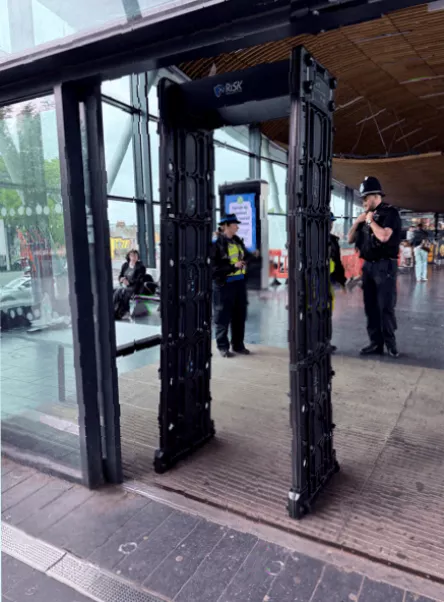
A school trust in the West Midlands has become the first in the United Kingdom to install US-style knife arches across all of its secondary schools, introducing metal-detecting technology that hundreds of pupils now walk through each morning as part of their daily arrival routine.
First trust to go all-in on screening
Dudley Academies Trust has invested approximately £50,000 in nine screening devices across four sites, covering every secondary academy it operates. The trust describes the initiative as a proportionate safeguarding measure in response to broader concerns about knife crime throughout the West Midlands. At Beacon Hill Academy in Sedgley alone, more than 1,100 students arrive each day and deposit mobile phones, keys and other belongings into trays before passing through the arches – a process that takes just seconds per student.
Precautionary step despite clean record
The trust has been clear that the measure is precautionary. Sukhjot Dhami, principal of Beacon Hill Academy, stated: “We’ve never had an incident involving a knife. But we want to absolutely reassure our learners and parents that they are coming into an incredibly safe environment.” He noted that aerosols and fizzy drinks have been the most frequently confiscated items rather than weapons.
Before implementing the system, the trust conducted what it described as its largest-ever consultation with parents, receiving overwhelming backing for the initiative. The decision to act without a specific incident at any of its schools reflects a wider recognition of knife crime levels in the region. West Midlands Police reported that knife crime in the West Midlands fell by 15% in 2025, with 3,946 offences recorded – down from 4,642 the previous year – yet the area has consistently ranked among the highest in England for knife-related offences in recent years. The same police data showed a 16% reduction in knife crime across key areas of Birmingham following the introduction of advanced geospatial analysis techniques, and overall knife crime in the region was down by 18% in the year to September 2025. However, the number of murders in the West Midlands rose in 2025, with 39 recorded compared to 34 in 2024.
National picture and the story behind Ronan’s Law
Nationally, knife crime in England and Wales saw a decrease of 9% in the year ending September 2025 compared with the previous year, and knife-related homicides fell by 23% in 2024/25. Despite that decline, the proportion of hospital admissions for assault by a knife or sharp object where the patient is under 18 has been on an upward trend over the past decade, reaching its highest percentage in 2023-24 at 13.1%. In that same year, 509 children aged 0-17 were admitted to hospital for such assaults – a 20% decrease from the previous year. Meanwhile, the Ministry of Justice recorded that slightly more than 1,100 children were convicted of knife possession in England and Wales during the year ending September 2025, representing a modest reduction from the prior period. The number of knife and offensive weapon offences dealt with by the Criminal Justice System rose to 20,771, a 1.5% increase and the highest since 2019, with possession of an article with a blade or point accounting for 68% of all such offences.
Pooja Khanda, whose son Ronan was murdered in Wolverhampton in 2022 with a ninja sword purchased online, visited Beacon Hill Academy to address pupils. She helped secure changes through Ronan’s Law – a set of measures that includes mandatory reporting of suspicious or bulk knife purchases, stricter age verification for online sales, increased penalties for selling weapons to minors, a new offence of possessing a weapon with intent to cause violence carrying up to four years in prison, and an outright ban on ninja swords. Of the knife arches, she said it was premature to assess their impact but welcomed the action: “I always welcome every measure that’s being taken, but there’s a long way to go.” She added that education and awareness remain as crucial as legislation.
A student at Link Academy, whose uncle was fatally stabbed in a Stourbridge nightclub in 2017, told the BBC: “It’s always good to prevent it before it even happens. It’s the effect it has on families – it’s just terrible.”
Expert opinions and the limits of metal detectors
While the trust and many parents back the move, the debate over knife arches in schools is far from settled. The Department for Education maintains that screening decisions should be made locally, noting that such measures may not suit every school environment. Some education figures argue that the arches offer reassurance but fail to tackle the root causes of knife crime.
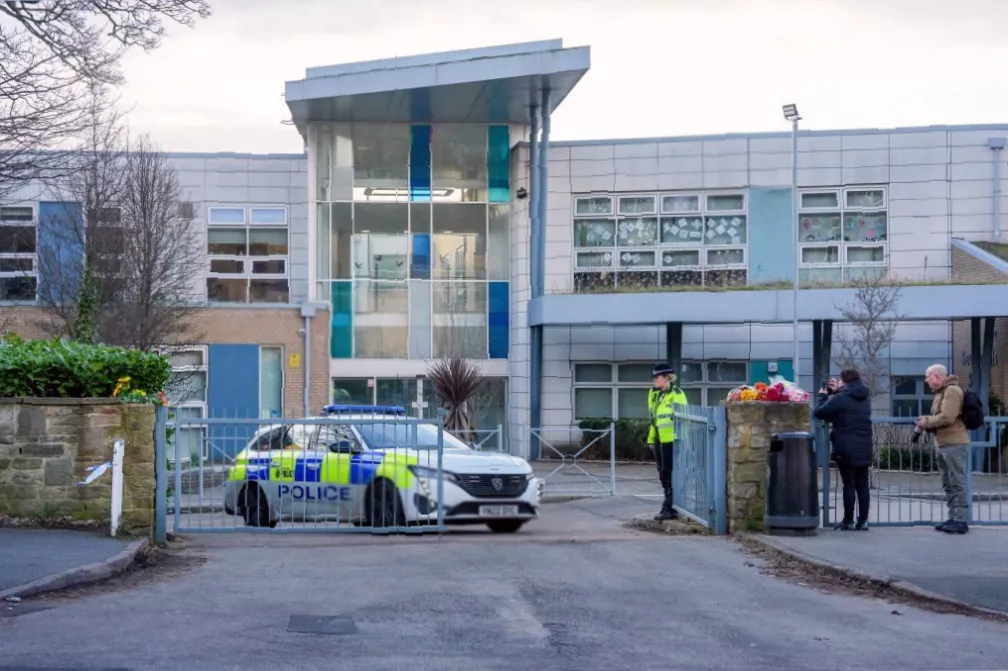
The Association of School and College Leaders (ASCL) has stated that schools cannot be turned into “fortresses” and that a concerted, society-wide response is needed, alongside schools conducting searches and teaching about the dangers of knife crime. John Howson, an education commentator, has argued that expenditure on knife arches could be better spent elsewhere and that they would not protect students on school buses.
Research by the Youth Endowment Fund indicates that one in 20 children report carrying a weapon, with nearly half doing so for their own safety – a finding that underscores the complexity of the problem. The visible presence of knife arches can act as a deterrent, and surveys elsewhere have found high levels of pupil reassurance: in London, 79% of pupils felt more reassured by their use, while at Milton Keynes College 86% of students reported feeling safer and 83% were happy with the technology. Some police forces also use knife arches as an educational tool, demonstrating their function and discussing the dangers of carrying knives rather than simply detecting them.
Critics, however, warn that the arches can create a prison-like atmosphere, contributing to anxiety among pupils, and may suggest a school has a knife problem when it does not. The trust’s own experience – no knife incidents, but confiscations limited to aerosols and fizzy drinks – illustrates the tension between visible security and perceived threat. The decision by Dudley Academies Trust to invest £50,000 in nine arches across four sites represents the first time a UK academy trust has gone all-in on such technology, but the long-term impact on student safety and school culture remains to be seen.