Prime Minister Keir Starmer has vowed to forge closer economic ties with the European Union as the UK confronts a spiralling cost-of-living crisis fuelled by the war in Iran, declaring that Brexit had done “deep damage” that must now be addressed.
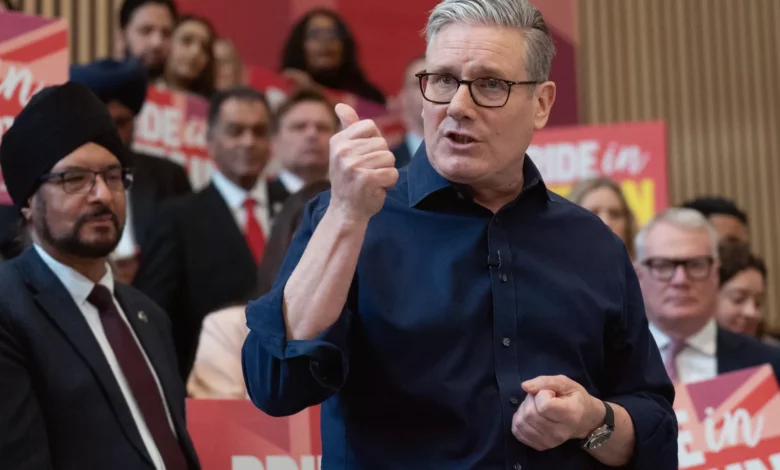
In a press conference on Wednesday, Sir Keir announced plans for an upcoming UK-EU summit aimed at securing “more ambitious” cooperation on security and the economy. He stated the opportunities to strengthen security and cut living costs were “simply too big to ignore” in a volatile world. His remarks come as the government grapples with a severe economic shock triggered by the conflict in the Middle East, which has shuttered a vital global oil shipping route.
Starmer’s Pivot to Europe Amid a Global Crisis
The Prime Minister insisted his government would be guided by the British national interest and would not be drawn into the US-Israeli military action against Iran, despite what he termed “pressure” and “noise” from allies. He confirmed Foreign Secretary Yvette Cooper will host a meeting of international leaders to assess diplomatic measures to reopen the Strait of Hormuz, through which Iran has blocked tanker traffic.
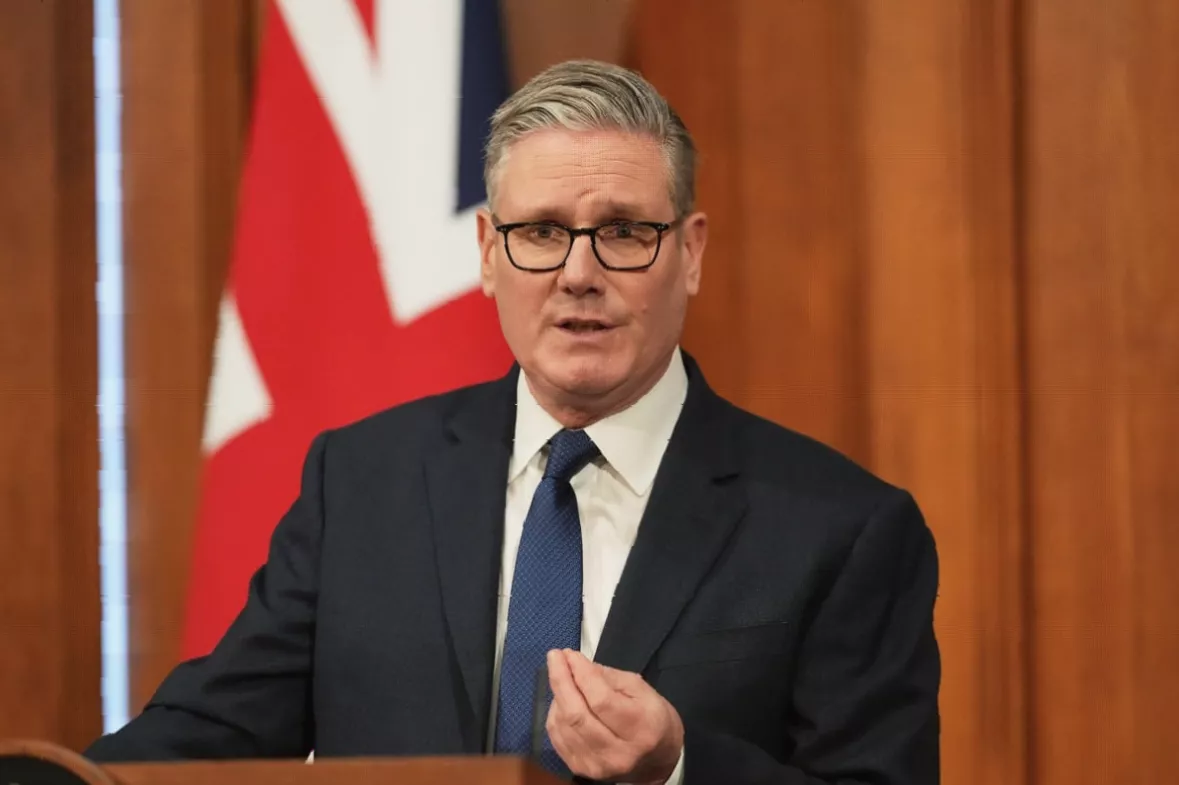
Sir Keir framed a renewed European partnership as a foundational response to the current instability. “Brexit did deep damage to our economy,” he stated bluntly. He pledged that the forthcoming summit would move beyond ratifying existing commitments to seek “closer economic co-operation, closer security co-operation, a partnership that recognises our shared values, our shared interest and our shared future.” This push is underpinned by a stark economic reality: analyses, including from the Office for Budget Responsibility, have suggested Brexit has reduced the UK’s potential GDP by around 4%, increased trade barriers, and exacerbated labour shortages, leaving the economy more vulnerable to external shocks like the current energy crisis.
Trump’s Threats and UK Defiance
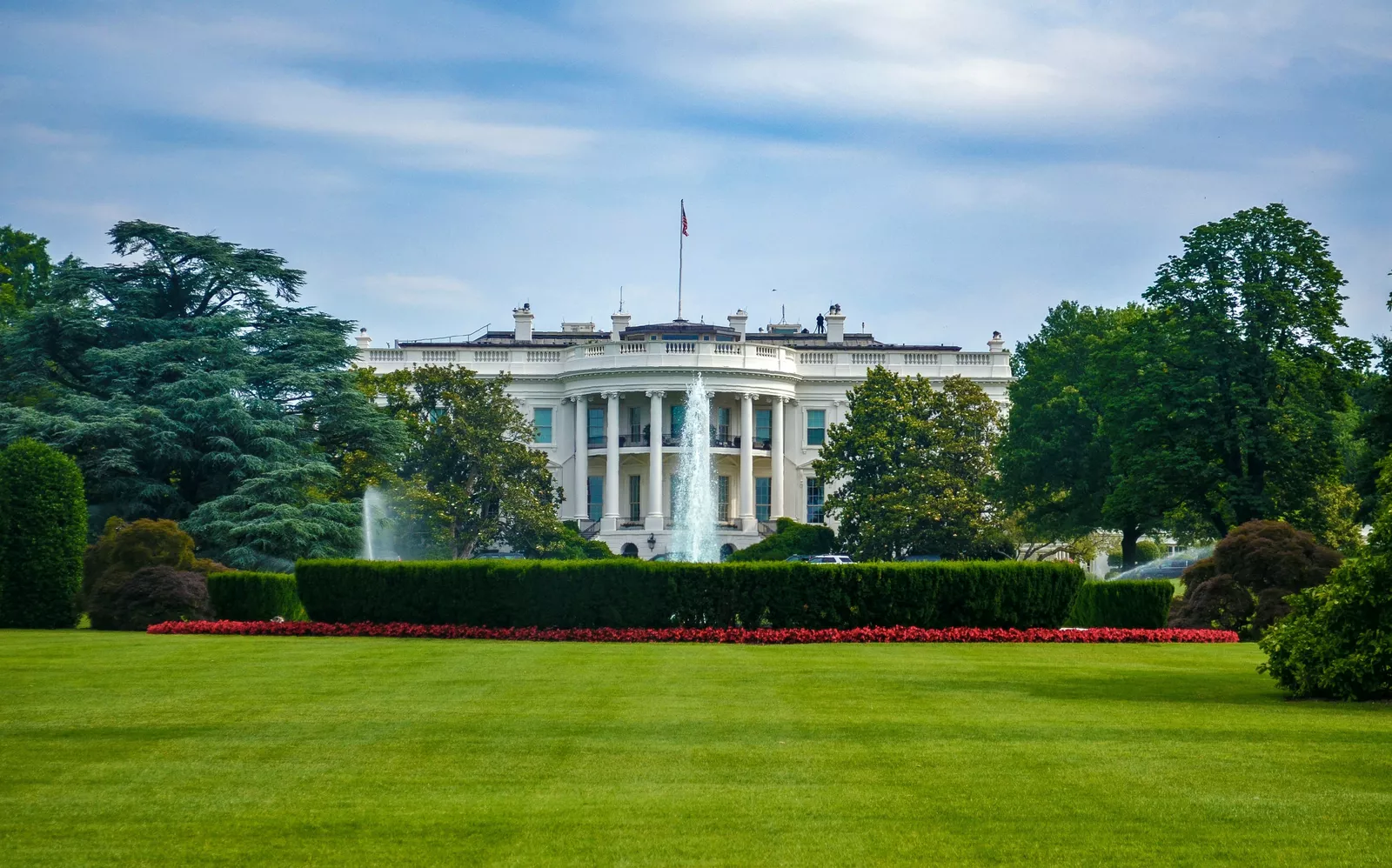
The Prime Minister’s call for European unity stands in sharp contrast to the recent rhetoric from the White House. US President Donald Trump has launched a scathing attack on NATO allies, including the UK, for their perceived lack of support for the war effort. On his Truth Social platform, he suggested countries not involved should “go get your own oil” and secure the Strait of Hormuz themselves. He has also reiterated his long-standing scepticism of NATO, saying he is strongly considering pulling the US out of the military alliance—remarks Sir Keir has previously labelled “insulting” and “appalling”.
Mr Trump also alleged the UK was among countries that “can’t get jet fuel,” a claim robustly refuted by the industry body Airlines UK. Sir Keir dismissed the comments, affirming the UK’s “full commitment” to NATO as “the single most effective military alliance the world has ever seen” and vowing to resist being dragged into the conflict.
The Mounting Economic Toll on UK Households
The geopolitical tensions are translating directly into financial pain for British consumers. The blockade of the Strait of Hormuz has caused oil prices to soar, with immediate effects at the pump. According to the RAC, the average price of diesel has skyrocketed by 40p per litre since the conflict began, reaching 182.8p. This means filling a standard 55-litre family car now costs over £100 for the first time since December 2022. Petrol prices have also surged by 20p to 152.8p per litre.
The crisis is set to reignite the burden of energy bills. While the Ofgem price cap will fall by 7% to £1,641 a year from April, respected analyst Cornwall Insight predicts it will jump by 18% to £1,929 for the July-September quarter—an increase of £288, potentially adding over £300 a year to typical bills. Chancellor Rachel Reeves has indicated that any future government support will be tightly targeted at the poorest households, rather than the universal payments used during the Ukraine war, which she said saw the richest third of households receive over a third of the support. She has also refused to commit to cutting fuel duty, warning that such a move risks pushing up inflation.
Food prices are forecast to climb sharply. The Food and Drink Federation, representing manufacturers, has more than tripled its 2026 inflation forecast to at least 9%, up from 3.2%. Other experts warn it could hit double digits, potentially reaching 12%, driven by the energy-intensive nature of food production and supply chains. Items like cucumbers, tomatoes, crisps, chocolate, and coffee are expected to be among the first to see significant price rises, with lower-income households disproportionately affected as they spend a larger share of their income on food.
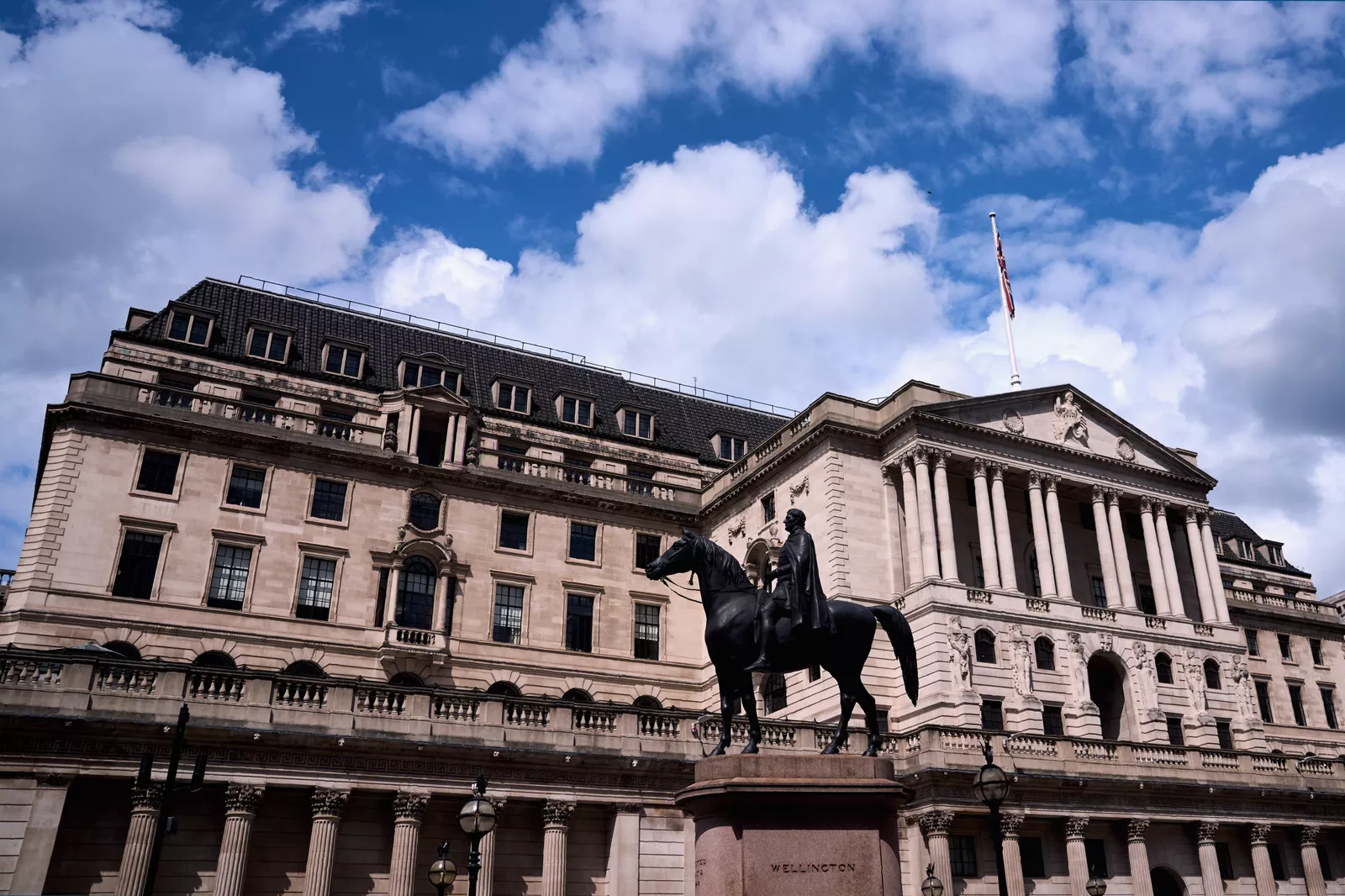
The economic shockwaves extend to housing and broader inflation. The Bank of England has warned the conflict represents a “new shock” that could add 0.75% to inflation this autumn. The mortgage market has been severely disrupted, with nearly 1,000 products withdrawn and new borrowers facing paying £900 more per year on average for a two-year deal—a surge in borrowing costs some analysts have dubbed “Trumpflation.” The government has acknowledged the severity of the situation, with the Prime Minister chairing Cobra emergency meetings and urging a “joint effort” with business leaders from energy, shipping, and banking to mitigate the impact.
Despite the scale of the challenge, Sir Keir insisted the UK was “well-placed to weather this storm,” citing a long-term plan to emerge as a “stronger and more secure nation.” The government, along with G7 allies, has called on Iran to cease its attacks and end the economic hostage-taking of the global economy, expressing readiness to contribute to efforts ensuring safe passage through the Strait. Foreign Secretary Cooper has also voiced concern over deepening military cooperation between Russia and Iran, noting Iranian drones have been used in Ukraine while Russia supports Iran’s actions in the Middle East.