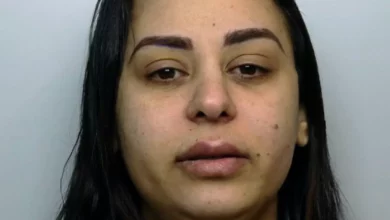
A father jailed for abducting his own five-year-old son from France was mistakenly released from a London prison last month and remains at large, the High Court has heard.
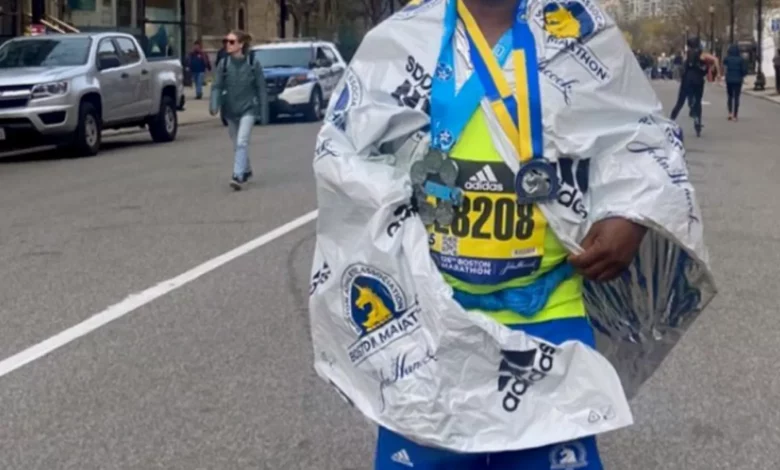
Ifedayo Adedapo Kolawoe Adeyeye, a British-Nigerian engineer, walked out of HMP Pentonville on April 21 despite still having another year of his sentence to serve – and despite being wanted for extradition to France. Prison staff did not realise their error until two days later, and a further two days then passed before the Metropolitan Police were alerted. Police say they were told by the Prison Service at around 1pm on April 24 and are now carrying out urgent inquiries to locate him.
The blunder came in a case that a senior judge had already described as “in the most serious class of cases” – a long-planned abduction that had left the boy’s mother, Claire N’Djosse, without sight of her son for nearly two years.
The abduction and legal battle
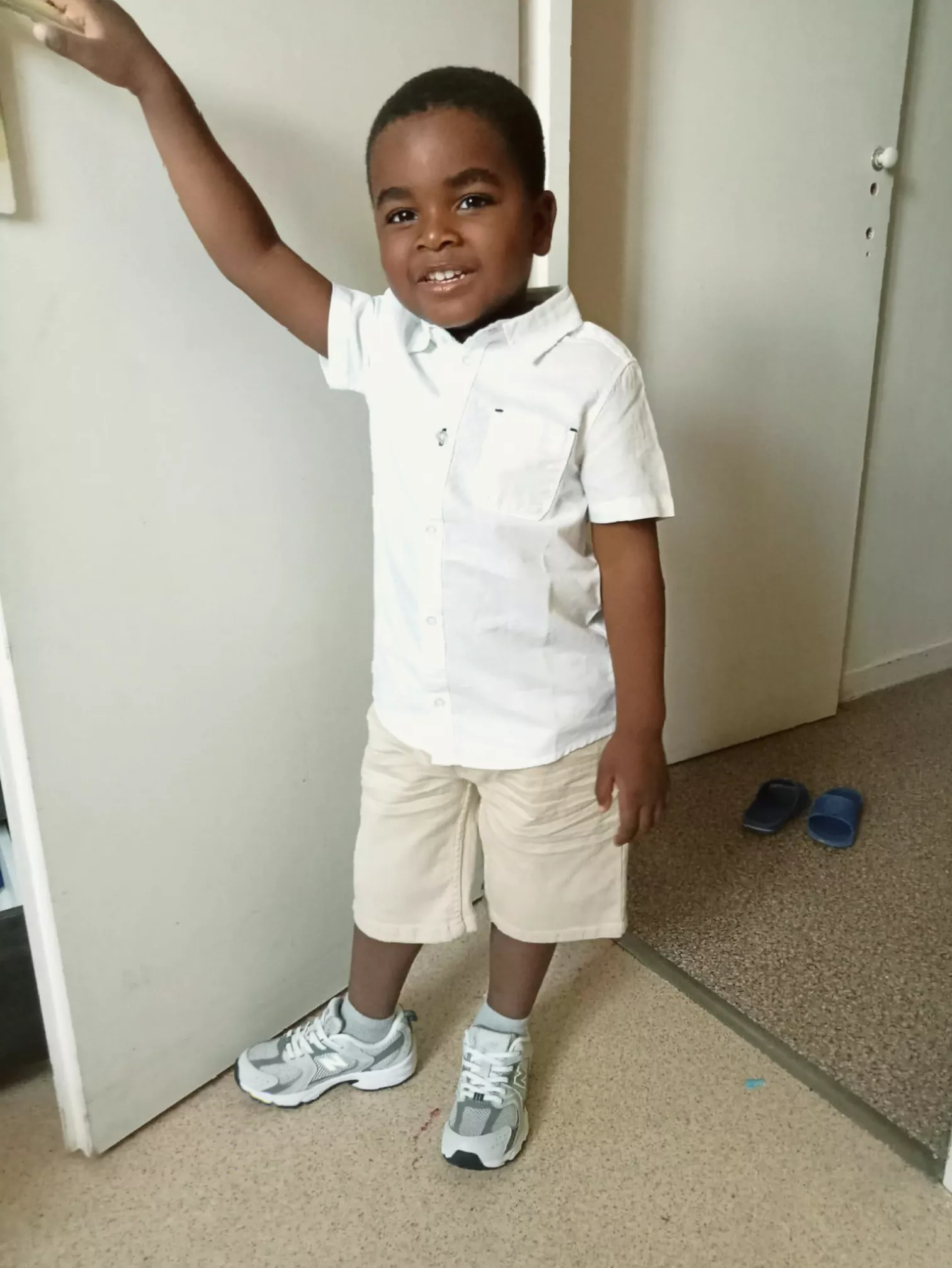
Laurys N’Djosse Adeyeye was born in France and had lived with his mother since birth. On July 27 2024 – the first time he was allowed to stay overnight with his father – Adeyeye took him to Nigeria via the United Kingdom. A Nigerian court later granted parental responsibility for the child to two people, believed to be Adeyeye’s relatives, without Ms N’Djosse’s consent.
In a legal first, Mr Justice Hayden ruled last June that the High Court had the power to order Adeyeye to return Laurys to his mother even though the boy did not live in the UK. The judge found the abduction involved “complex, sophisticated, long-term planning and deception”. Adeyeye, who had returned to the UK, was arrested and in January this year was jailed for six months for contempt of court after failing to return the child.
On April 20 – the day before he was due to be released from that sentence – he was given a further 12 months for additional contempt offences. But the following day he was freed from HMP Pentonville.
Judge condemns ‘alarming lack of urgency’
Appearing in the High Court on Friday, Mr Justice Hayden did not hold back in his criticism of the authorities. He said “the state has failed” and described an “alarming lack of urgency” among prison staff involved in the release. He added that he was “not even sure if the police have any impression of the seriousness” of the case.
The judge had previously warned that Adeyeye was a “dangerous threat to his son’s physical and emotional welfare” and had been “entirely dishonest”. He said the father’s detention in custody was “the best, perhaps the only, hope of reunification of this boy with his mother.”
He also highlighted the impact on Ms N’Djosse, who followed Friday’s hearing from France through a French interpreter. Her pain, he said, was “visceral and unbearable to watch”. The judge added: “When the state fails in the way that it has done here, there is a public interest in that being put in the public domain.”
How the error happened
Chris Bryden, a barrister representing Ms N’Djosse, told the court that after Adeyeye returned to Pentonville to begin his second sentence, solicitors for the mother received an email from prison staff. The email stated they had “released Mr Adeyeye in error” the following day because the second jail term was “not flagged up”. Staff added that they would contact the police as Adeyeye was “currently unlawfully at large” and apologised for the error.
Mr Bryden said the email did not explain how prison staff also missed the fact that Adeyeye was due to be extradited to France. The judge questioned how prison officers who had been present at the second sentencing hearing “did not mention it to someone else when he got back”.
The Metropolitan Police only received formal notification from the Prison Service at around 1pm on April 24 – three days after the release. This meant a two-day gap between Adeyeye walking free and any alert being issued to prevent him from leaving the UK. Lawyers for Ms N’Djosse said that delay was deeply concerning.
Pattern of mistaken releases
The case comes amid mounting concern over the number of prisoners wrongly freed from British jails. Official figures show that in the year to March 2025, 262 inmates were mistakenly released – a 128% increase from 115 in the previous 12 months. That figure represents about 0.5% of all correctly released prisoners.
Research into the trend points to multiple contributing factors: poor communication between staff, inexperienced personnel, large caseloads, limited training, and the sheer complexity of the sentencing regime compounded by insufficient technological support for staff. The Ministry of Justice has also attributed the rise to operational and legislative changes, including an early release scheme brought in because of prison overcrowding.

The government has acknowledged the number of errors is “unacceptably high” and has promised to invest in technology and artificial intelligence solutions, establish a fast-track courts hotline, simplify release policies, and expand an independent review led by Dame Lynne Owens.
Previous high-profile mistakes include the accidental release of a convicted sex offender and a fraudster from HMP Wandsworth last autumn, and of an Algerian sex offender whose subsequent manhunt cost more than £150,000.
Ms N’Djosse’s legal team, led by barrister Tori Adams and the law firm Dawson Cornwell, has urged anyone with information about Adeyeye’s whereabouts to contact the police. Mr Justice Hayden has allowed the reporting of both Adeyeye’s and Laurys’s identities in a bid to locate them. The Ministry of Justice has been approached for comment.
The judge granted the identification order, noting that Adeyeye, who also faces arrest by French authorities over the abduction, remains a “dangerous threat” to his son’s welfare.