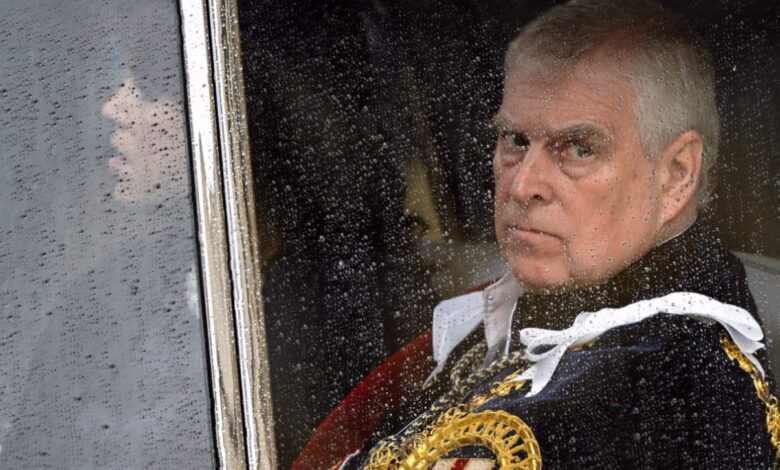
The scandal surrounding Andrew Mountbatten-Windsor has escalated into an international diplomatic issue, with New Zealand joining Australia in backing his removal from the royal line of succession following his arrest on suspicion of misconduct in public office.
Mountbatten-Windsor, the former Prince Andrew, was arrested by Thames Valley Police on 19 February 2026, his 66th birthday, on allegations he shared sensitive government information with the paedophile financier Jeffrey Epstein while serving as the UK’s Special Representative for International Trade and Investment between 2001 and 2011. He was released under investigation after approximately 11 hours, with police searches conducted at his residences in Berkshire and Norfolk.
New Zealand’s government has now said it would support the British government if it proposes to remove Mountbatten-Windsor from the line of succession, following a similar commitment from Australia. Australian Prime Minister Anthony Albanese wrote to UK Prime Minister Sir Keir Starmer stating his government would support “any proposal” for removal, citing “grave allegations” that Australians take seriously. New Zealand Prime Minister Christopher Luxon echoed this position.
Allegations of Misuse and Deference
The arrest follows a tranche of two million documents related to Jeffrey Epstein released by the US Department of Justice on 30 January, which mentioned Mountbatten-Windsor and other high-profile figures. Retired civil servants have since told the BBC that during his tenure as trade envoy, Mountbatten-Windsor allegedly used taxpayer money for “massage services” and excessive travel costs. One former civil servant said they initially refused a request to pay for massage services but were overruled by more senior staff, suggesting a culture of deference within Whitehall.
Mountbatten-Windsor has vehemently denied any wrongdoing in his links with Epstein and has rejected allegations that he made any personal gain from his trade envoy role. His resignation from the post in 2011 came after scrutiny of his expenses and associations.
Political Pressure for Transparency
In Westminster, the Liberal Democrats are seeking to force the public release of files relating to Mountbatten-Windsor’s appointment as a trade envoy. The party will table a humble address in the Commons on Tuesday – an arcane mechanism previously used by the Tories – to compel the government to disclose information including vetting files, due diligence reports, and any correspondence from Lord Mandelson.
Lib Dem leader Sir Ed Davey said: “The public is rightly demanding to know how Andrew Mountbatten-Windsor was appointed to represent our nation in a high-level trade role. We need to see the vetting files, the due diligence reports, and the correspondence to understand how this appointment came to be, and whether glaring warning signs were missed.”
Parallel Probe into Peter Mandelson
In a related development, Peter Mandelson, the former UK ambassador to the US, was arrested on suspicion of misconduct in public office as part of the Epstein files misconduct probe. A Metropolitan Police spokesperson said a 72-year-old man was arrested at an address in Camden on 23 February and has been released on bail pending further investigation, following search warrants in the Wiltshire and Camden areas. Mandelson was fired as ambassador in September following disclosures about his relationship with Epstein, and is being investigated for allegedly passing sensitive government information to the financier.
The police investigation into Mountbatten-Windsor was initiated after Graham Smith, CEO of the anti-monarchy group Republic, filed a report with Thames Valley Police on 9 February for suspected misconduct in public office. Smith has stated that the arrest is a “result of Republic’s action” and that the group was pursuing a private prosecution when police were reluctant to investigate.
Broader Implications and Reactions
Mountbatten-Windsor was stripped of his royal titles by his brother, King Charles III, in October 2025, but remains eighth in line to the throne. Removing him from the line of succession would require an act of the UK parliament and the support of the 14 Commonwealth countries where King Charles is head of state.
Amid the furore, Reform UK leader Nigel Farage cautioned against “trial by media,” stating that Mountbatten-Windsor “looks to have done some terrible things” but that they have not yet been proven. “I do believe in due process, and I do believe that people are innocent until they’re found guilty,” Farage said.
As Thames Valley Police continue their investigation, with searches in Berkshire ongoing until at least 20 February, the case has ignited a fierce debate over accountability, royal privilege, and the handling of sensitive diplomatic roles.