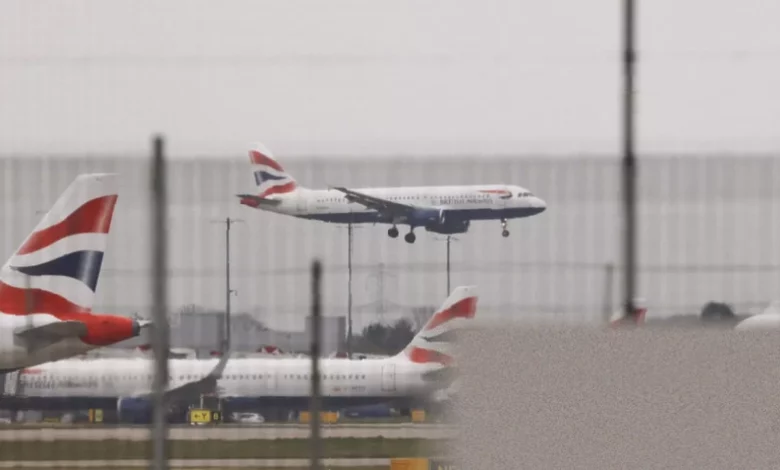
The UK aviation regulator has pushed back against Heathrow Airport’s plans for a steep rise in passenger charges, setting the stage for a fresh dispute over how to fund essential upgrades while keeping travel affordable.
The Civil Aviation Authority (CAA) has published its initial proposals for the charges Heathrow can levy on airlines between 2027 and 2031. It concluded that the average fee per passenger should rise only modestly, from £28.40 to £28.80—an increase of just 1%. This is a fraction of the 17% hike Heathrow had sought last year, which would have taken the charge to £33.26.
The regulator’s balancing act
At the heart of the CAA’s decision is an attempt to reconcile two competing demands: shielding passengers from excessive costs and allowing Europe’s busiest airport to invest in critical improvements. Selina Chadha, the CAA’s group director of consumer markets, stated the regulator’s primary duty was to protect consumers. “Our proposals… strike the right balance between keeping passenger prices fair, while enabling the airport to make the investment needed to improve services for the future,” she said.
To that end, the CAA has proposed capping Heathrow’s capital investment programme for the five-year period, known as H8, at between £5.4 billion and £6.1 billion. This is a significant reduction from the airport’s initial proposal of around £9.4 billion, though higher than the £5.4 billion alternative plan put forward by airlines. The approved investment includes projects like upgrading the airport’s electrical system, a priority highlighted after a fire at a nearby substation caused a major power cut and the cancellation of over 1,300 flights last year.
The regulator emphasised that this price control settlement is entirely separate from the contentious and long-term project to build a third runway at Heathrow. The current proposals are based on the airport continuing to operate with two runways.
Airport and airlines at odds
Heathrow had been seeking approval to spend up to £10 billion to handle an extra 10 million passengers a year by 2031, with upgrades including a modernisation of Terminal 5. Reacting to the CAA’s initial findings, Heathrow’s chief executive, Thomas Woldbye, said the airport would review the detail but warned the proposal “may force choices that create trade-offs for service and delay delivery.”
Airlines, however, argue the regulator has not gone far enough. The CAA’s proposed average charge is £5.40 lower than Heathrow wanted but remains £5.80 higher than what airlines had advocated. International Airlines Group (IAG), the owner of British Airways and Heathrow’s biggest operator, called the plans frustrating. A spokesperson said Heathrow was “already the most expensive hub airport in the world” and that the proposals would see it “overcompensated,” with passengers forced to fund “exorbitant investor returns.”
IAG highlighted the airport’s shareholder structure, which includes the French private equity group Ardian, the Qatar Investment Authority, Saudi Arabia’s Public Investment Fund, and other international sovereign wealth and pension funds. The airline group urged the CAA to consider its alternative business plan and curtail what it termed Heathrow’s “excessive spending regime,” noting that the current charges were separate from a proposed £33 billion bill for a future third runway.
This is the latest chapter in a long-running dispute over Heathrow’s funding. In 2023, the airport was forced to cut passenger charges by almost a fifth after losing an appeal to the UK competition watchdog against a previous CAA decision.
The CAA will publish its final proposals in November 2026, with a definitive ruling expected in April 2027.