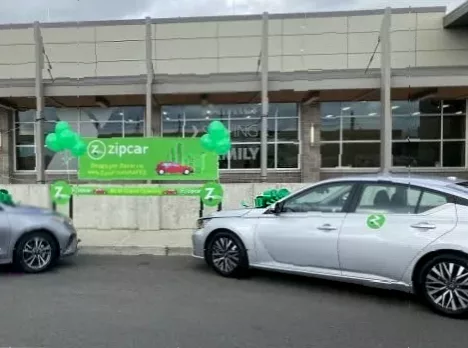
The sudden departure of car-sharing giant Zipcar from the UK at the start of 2026 has laid bare a fragmented and costly policy landscape that campaigners warn is undermining sustainable transport in the capital. The service, which counted approximately 550,000 members in London alone, ceased all operations on January 1st, citing years of unsustainable cost increases.
A Decision Forced by Mounting Losses
The exit followed severe financial pressures. According to the company’s own reports, Zipcar UK recorded a loss of £11.7 million in 2024, a stark increase from £364,000 the previous year, as revenue fell from £51 million to £47 million. Directors pointed to the wider cost-of-living crisis suppressing discretionary spending, coupled with specific “increased cost pressures”. These included rising electricity and insurance costs, challenging resale values for vehicles, and the financial impact of maintaining a large electric fleet where fuel costs are bundled into rental charges.
This was the culmination of a retrenchment that had already seen the firm pull out of Oxford, Cambridge, and Bristol to focus on London—a market that ultimately proved untenable.
The London-Specific Squeeze: Parking and Congestion Charges
Industry analysis identifies two major London-specific factors: exorbitant parking fees in some boroughs and recent changes to the Congestion Charge. Research commissioned by the Clean Cities Campaign revealed a postcode lottery for parking, with the average maximum charge for a car-club bay exceeding £900 per year. The Royal Borough of Kensington and Chelsea had the highest identified potential charge at £2,382 per permit, while Merton charged just £80. Some boroughs, including Brent, Croydon, Harrow and Enfield, charge nothing.

Zak Bond, campaign manager at Clean Cities, described some fees as “astronomical” and linked them to Zipcar’s departure. He warned that without affordable alternatives, many people “will feel like they are forced to buy a private car”.
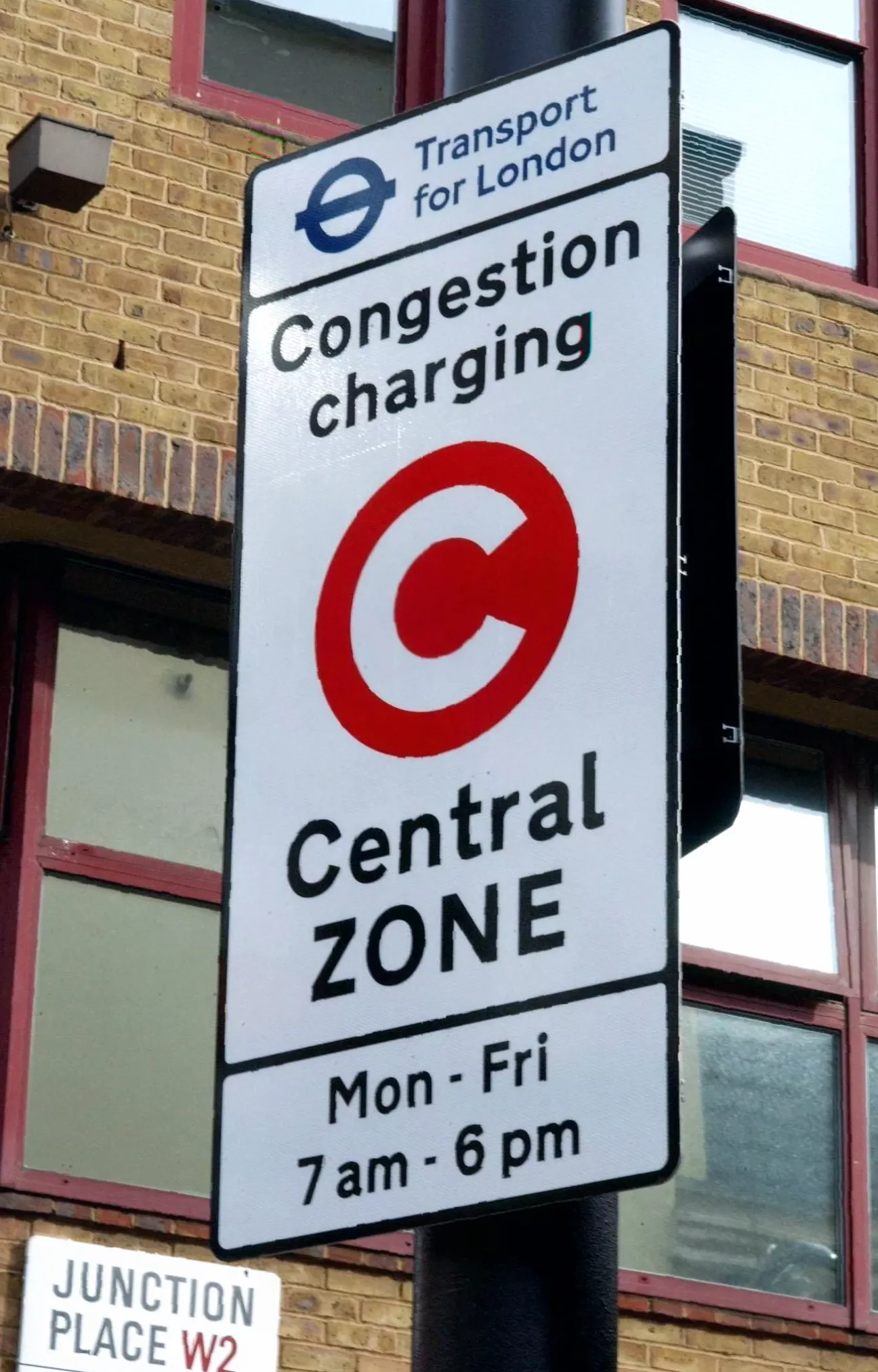
Compounding this was a significant change to London’s Congestion Charge. From January, the daily charge rose from £15 to £18 and, critically, was extended to electric vehicles for the first time. While electric car club vehicles that are ‘back-to-base’ within the zone receive a 100% discount, other EVs face new costs. It is estimated the change could add £1 million annually to total car club costs in London.
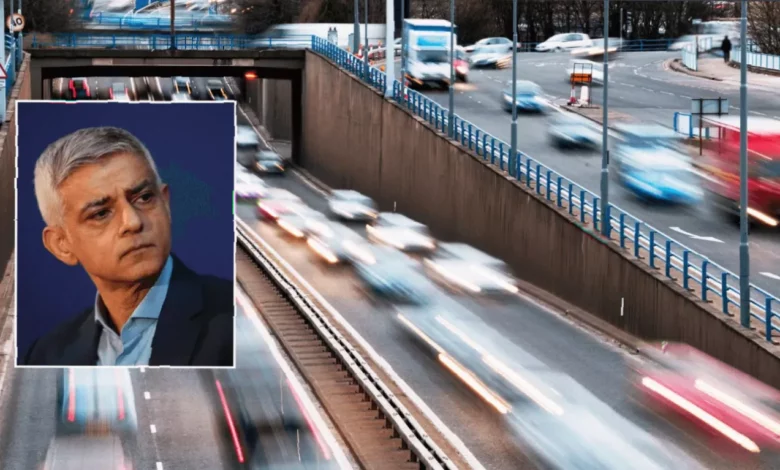
Mayor Sadiq Khan, who approved the changes, stated: “Keeping London moving by reducing congestion is vital for our city and for our economy. While the congestion charge has been a huge success since its introduction, we must ensure it stays fit for purpose.”
Policy Fragmentation and the Search for Solutions
A core structural problem, highlighted by reports, is that the Mayor lacks authority to create a single city-wide contract for car clubs. Instead, operators must negotiate complex, individual agreements with each of London’s 32 boroughs, creating an inconsistent and often prohibitively expensive operating environment.
In the wake of Zipcar’s exit, several boroughs have moved swiftly to lower barriers. Richmond Council has removed parking charges for any car club provider until at least 2027. Similarly, Wandsworth Council has waived permit fees until April 2027, and Southwark offered free permits to Zipcar in a bid to get them to stay.
Richard Dilks, chief executive of the shared transport charity CoMoUK, said operators had warned of the problem for years. “Car clubs have faced sharp rises in costs such as council parking permits, insurance, charging costs for EVs and recent changes to the Congestion Charge,” he stated, calling Zipcar’s closure a sign of a “failure to have supportive policy”. He added that with borough commitment to reducing costs and simplifying processes, “we can restart the market”.
The Bigger Picture: Electric Costs and a Market at Risk
The incident underscores broader challenges for shared, electric mobility. Running an electric car club vehicle is estimated to cost around £6,000 more per year than a petrol equivalent. This is partly because operators cannot access the discounted 5% VAT rate on domestic electricity and face higher public charging fees, coupled with new Vehicle Excise Duty on EVs introduced in April 2025.
Zipcar had been progressing towards an all-electric fleet, operating over 1,000 EVs in London—about a third of its total fleet. Its departure leaves a significant gap, with organisations like CoMoUK directing former members to alternatives such as Enterprise Car Club and Hiyacar.
The UK already lags behind other European nations in shared cars per capita, and the loss of a major player risks pushing residents towards private car ownership. This runs counter to environmental goals and coincides with another growing concern: the rise of large SUVs on London’s streets. Mayor Khan is separately considering charges for these vehicles due to their safety impact and consumption of road space, highlighting the complex tensions in urban transport policy between convenience, cost, and environmental sustainability.