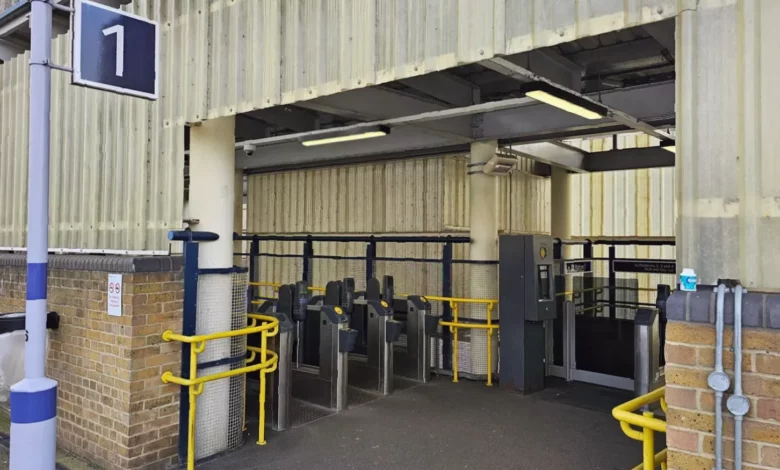
A critical bottleneck at one of south-east London’s busiest transport hubs is being tackled in a bid to move dangerous passenger queues away from a live railway line. Network Rail has begun work to relocate ticket barriers at Lewisham station, a key intervention aimed at easing severe and long-standing congestion on its busiest platform.
A Platform Under Pressure
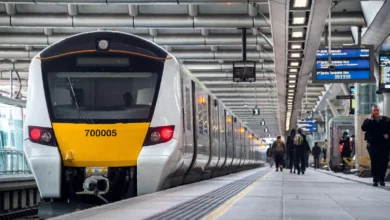
The focus of the £90,000 project is Platform 1, where passenger numbers have surged due to major development in the Lewisham area. The station itself is a vital interchange, linking Southeastern national rail services with the Docklands Light Railway (DLR), and was ranked the 69th busiest station nationally in 2025 with around 19,244 entries and exits per day.
The current layout sees ticket barriers positioned immediately next to the platform. After passing through, commuters must then descend stairs, traverse a subway under the tracks, and climb back up to exit the station. During the morning rush hour, this causes crowds to build dangerously on the platform itself, with queues spilling towards the edge where trains pass.
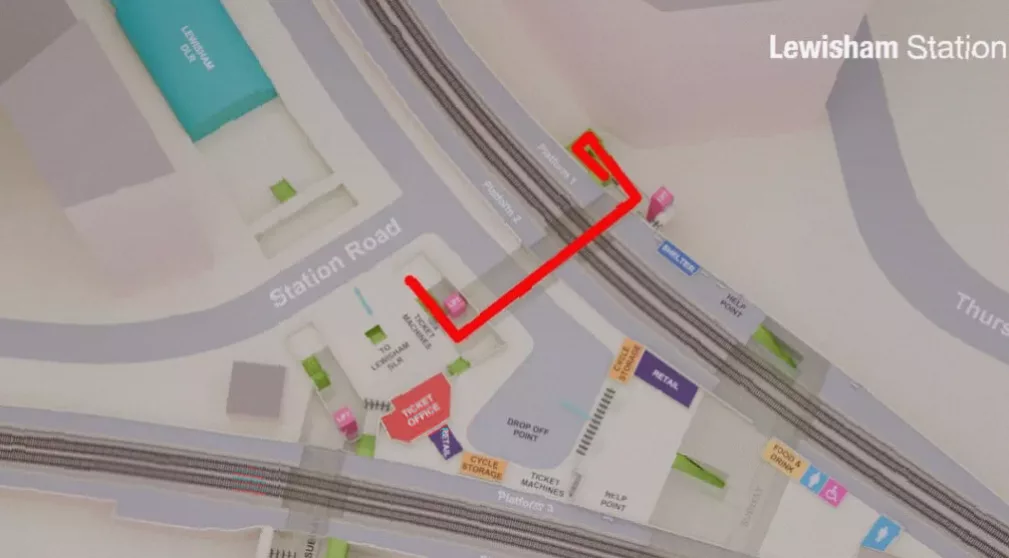
“Moving queues away from the platform edge is also expected to improve safety,” a statement from Network Rail confirmed. The solution is to remove the barriers from the platform and install four new ones at the far end of the subway, directly by the station exit on the upper DLR concourse.
Part of a Broader Battle Against Congestion
The ticket gate move is the latest in a series of efforts to manage congestion at a station straining under capacity. Network Rail states this is part of a wider “capacity-relief scheme”. Previous measures include a platform realignment project in 2022 to improve safety on platforms 1 to 4 and emergency work in January 2020 to address hazardous gaps between trains and platforms 1 and 2.
The issue is compounded by ageing infrastructure. Much of the track and signalling in the Lewisham area dates to the 1960s and 1970s, systems prone to faults due to their age and obsolete design. A separate, major £90 million project to replace this signalling is underway, with full implementation planned for Christmas 2026, aiming to reduce delays across south east London and Kent.
Future Hopes and Stalled Plans
While the immediate works are scheduled for completion by April 2026, larger questions about the station’s capacity remain. Despite thousands of new homes being built around the station, plans for additional entrances have stalled. A former entrance on Platform 4, closed a decade ago, is now permanently shut.
Discussions are ongoing between Network Rail and Lewisham Council regarding the use of developer contributions (Section 106/Community Infrastructure Levy funds) for further improvements, including exploring the case for new exits on Platform 4.
The most significant long-term change could be the proposed Bakerloo line extension. Transport for London (TfL) is considering an extension to Lewisham, which would create a major new Underground interchange. A pre-pandemic study into a new entrance beside Platform 1 for this potential tube station was paused, highlighting how broader transport planning influences local station design.
Passenger Impact and Project Scope
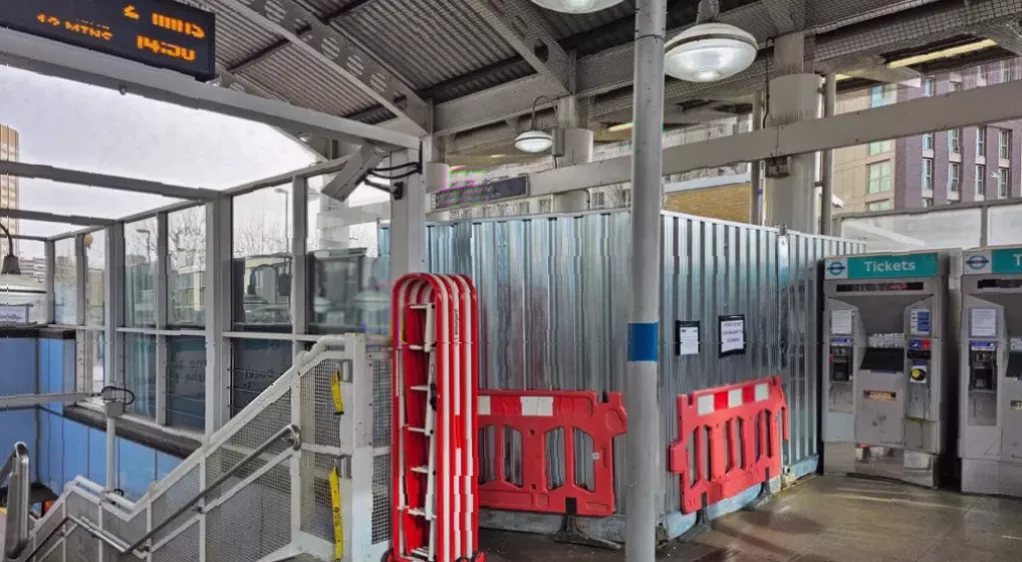
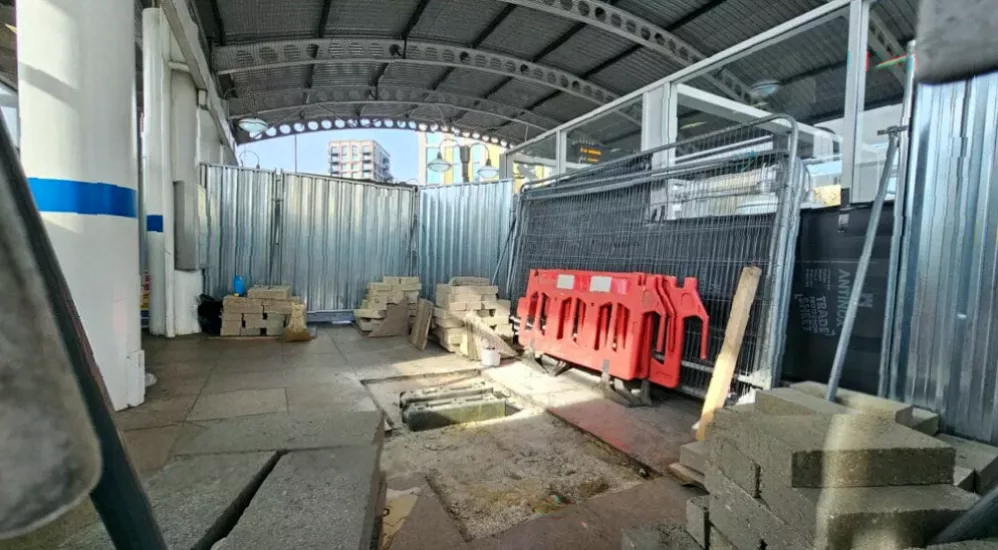
For now, passengers using Lewisham will see the space by the DLR platforms exit fenced off as contractors lift paving slabs to install the new barriers before removing the old ones. The works also include upgraded CCTV and security systems, improved signage, and layout adjustments to aid passenger flow.
Network Rail has warned that during the upgrade, passengers may encounter temporary changes to walking routes, occasional entry point closures, and busier conditions. The project underscores the ongoing challenge of modernising a historically busy interchange, a site marked by past tragedies including the 1957 Lewisham rail crash which resulted in 90 fatalities, to meet the demands of a growing city.