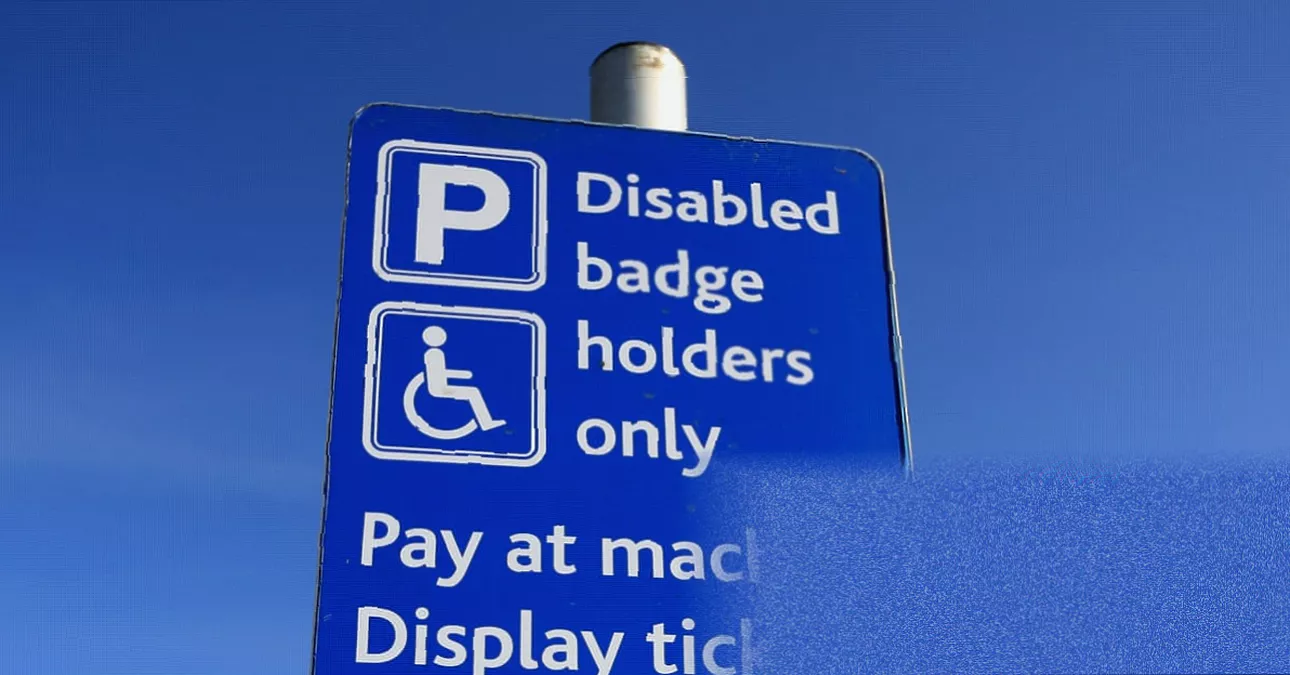
One in every 15 adults in England now holds a Blue Badge parking permit, according to the latest official figures, highlighting the vital role of the scheme for millions—and the growing scale of its exploitation.
The Department for Transport data shows that as of 31 March 2025, 3.22 million people in England were entitled to a badge, with 1.2 million actually holding one. This represents a significant increase, with the total number of badges held rising by 10% in the previous year alone. The regional disparity remains stark: the North East has the highest proportion of holders at 6.1%, while London has the lowest at 3.5%.
The scale of misuse
Behind these numbers lies a persistent problem of fraud. The AA has warned that up to one in five badges may be being used by someone other than the authorised holder. While there are no recent nationwide cost estimates, the now-defunct National Fraud Authority calculated the annual bill for this fraud at £46 million back in 2011, indicating a significant financial drain.
Edmund King, the AA’s president, stressed the stakes: “The blue badge scheme is a mobility lifeline for millions of legitimate users and their families. Our concern is not the absolute number of badges issued but the estimates of misuse. Fraud is an issue which can include family misuse, use after death, counterfeit badges and theft and resale of badges.”
How the fraud works
The methods of fraud are varied and often brazen. One common type is the use of badges belonging to a deceased person, as seen in an Oxfordshire case last September where a man was convicted for using his dead grandmother’s permit. Theft is another major issue: in the year to March 2025, 6,600 badges were reported lost or stolen in England, with 22% categorised as stolen. These stolen permits, along with sophisticated counterfeits, are often resold.
Counterfeiting has become a particular concern. The specialist Blue Badge Fraud Investigations (BBFI) agency reports a rise in confiscated fake badges, with copies appearing for sale on social media platforms. Furthermore, ‘family misuse’—where a badge is lent to a relative or friend without the holder being present—though sometimes seen as harmless, illegally deprives genuine users of essential parking spaces.
The impact on legitimate users is direct and profound. A spokesperson for the Local Government Association explained: “Although the vast majority of badges are used correctly, there is a small minority who fraudulently use other people’s, either to save money by parking in disabled bays or through laziness, depriving someone with a genuine need.”
Councils step up enforcement
Local authorities across England are now wielding improved powers to tackle the problem, leading to a string of recent prosecutions. In January 2026, Croydon Council in south London secured convictions against seven offenders who were ordered to pay a total of nearly £6,000 in fines, costs, and surcharges for using stolen, counterfeit, or another person’s badge.
Other councils report similar action. Oxfordshire County Council’s conviction last autumn was preceded by a case in Kent in December 2024, where a resident was prosecuted for misusing a cancelled badge she claimed to have found. Islington Council in London prosecuted nine drivers for similar offences back in January 2019.
Penalties for misuse are severe, being a criminal offence that can result in a fine of up to £1,000, the confiscation of the badge, and a criminal record. Councils also have the power to seize vehicles being used in the fraud.
The LGA urges public vigilance, stating: “To help councils win the fight against blue badge fraud, residents must keep tipping councils off about people they suspect are illegally using a badge, bearing in mind people’s need for a badge might not be obvious.” This is especially relevant since 2019, when eligibility was extended to include people with non-visible conditions like Parkinson’s, dementia, and epilepsy. Over two-fifths of badges are now issued without further assessment.
A Department for Transport spokesperson said: “Exploitation and abuse of the blue badge scheme is completely unacceptable and is a criminal offence. Local authorities have been given improved powers to crack down on fraud and misuse in their area, and work closely with the police.”
The permits, which must be renewed every three years via a process that can take up to 12 weeks, offer holders crucial concessions including free parking in pay-and-display bays, up to three hours on yellow lines, and exemption from London’s £18 daily congestion charge. This very value, however, continues to make them a target for those seeking to cheat the system.