Global energy markets are in shock as a swiftly escalating military conflict in the Middle East has forced the closure of the world’s most critical oil and gas transit route, threatening to hammer household finances and demanding an immediate response from Chancellor Rachel Reeves days before her Spring Statement.
Strait Closure and Supply Shock
The Strait of Hormuz, a chokepoint for roughly 20 million barrels of oil and 20% of global liquefied natural gas (LNG) shipments each day, is effectively closed to commercial shipping. The closure follows Iranian attacks on tankers, made in retaliation for US and Israeli strikes that killed Iran’s Supreme Leader, Ayatollah Ali Khamenei. Leading maritime insurers have withdrawn war risk coverage for vessels in the Gulf, bringing traffic to a halt and jeopardising about $500 billion in annual energy trade.
The conflict, now in its third day, has seen direct attacks on energy infrastructure. QatarEnergy, which supplies approximately 20% of the world’s LNG, announced an indefinite halt to production after drone strikes hit its facilities at Ras Laffan and Mesaieed. Simultaneously, Saudi Arabia’s Ras Tanura oil refinery, with a capacity of more than half a million barrels per day, came under drone attack, with pictures showing workers being evacuated.
Markets Reel as Prices Skyrocket
The supply shock has triggered violent price movements. Brent crude oil surged to around $79 per barrel, an increase of about 8.5% on the day and 35% over the past two months. Analysts at Rystad Energy predicted it would gap higher into the $80-85 range, with Wood Mackenzie warning prices could exceed $100 per barrel if tanker flows are not quickly restored—a scenario comparable to the curtailment of Russian gas to Europe.
European natural gas prices have jumped by as much as 45%, with the Dutch TTF day-ahead contract rising 41% to €45 per megawatt hour. In the UK, the benchmark NBP gas price surged by nearly 45%, reaching its highest level since February 2025. The fallout has spread to financial markets, with the Dow Jones Industrial Average falling roughly 530 points and airline stocks dipping due to flight cancellations.
Spring Statement Transformed into Crisis Moment
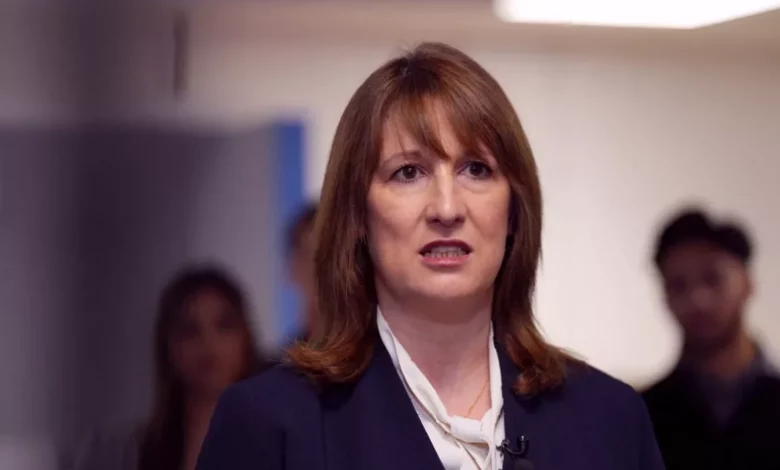
This turmoil has radically altered the context for Chancellor Rachel Reeves, who is due to deliver her Spring Statement on Tuesday, March 3, 2026. The event was anticipated to be a “quiet affair” focused on updated forecasts from the Office for Budget Responsibility, but she now faces intense pressure to outline an emergency plan to protect consumers from a sustained energy price crisis.
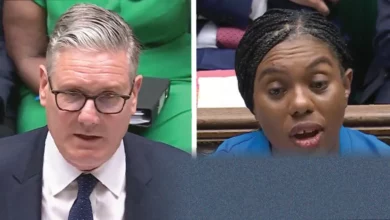
Labour MPs are demanding proposals. Graeme Downie, MP for Dunfermline and Dollar and a member of the Commons’ energy select committee, told The Independent that the consequences “could be felt here in the UK through increased energy bills quickly and painfully,” with the least affluent hurt the most. Sir Keir Starmer has told the Commons that Britain is taking measures to safeguard supply, but the focus is squarely on the chancellor to act further.
Expert analysis underscores the severity of the threat. Tom Marzec-Manser, director for European gas and LNG at Wood Mackenzie, said the removal of 20% of the world’s LNG from the market had led to a sharp price rise, with levels climbing the longer the Strait remains closed. Chris Wheaton, managing director and senior oil and gas analyst at Stifel, warned that a wholesale gas price of 250p per therm would translate to an energy price cap of about £2,500 a year, a scenario he linked to a Strait closure lasting more than six weeks.
Inflation Fears and Fuel Duty Battle
The crisis risks fuelling a new wave of inflation. Research from the International Monetary Fund indicates a 10% increase in global oil costs has historically added, on average, 0.4 percentage points to domestic inflation. With UK inflation already at 3%, above the Bank of England’s 2% target, this poses a significant challenge alongside sluggish GDP growth and high youth unemployment.
Calls are mounting for the chancellor to abandon a planned 1p fuel duty rise. The Liberal Democrats, the AA, and campaign group FairFuelUK have all urged relief. AA president Edmund King predicted “record prices at the pumps” within “10 to 12 days,” while FairFuelUK’s Howard Cox argued cancelling the increase would be “economically prudent” and offer political relief. The current 5p per litre fuel duty cut is due to end in September 2026.
Reeves does have some fiscal flexibility, benefiting from a £22 billion windfall due to stronger tax receipts and lower debt-interest costs. However, the buffer is limited against a backdrop where UK gas storage is only 28.8% full and European storage is at 30%. The situation evokes the energy crisis triggered by Russia’s invasion of Ukraine, which necessitated a £120 billion government bailout to cap bills.
The global stakes are immense. Iran is one of OPEC’s largest producers, pumping 4.5% of global supplies, and 84% of crude shipments transiting the Strait of Hormuz in 2024 were bound for Asian markets like China, India, Japan, and South Korea. President Donald Trump has suggested the conflict could last four to five weeks and has not ruled out deploying ground troops.
With the energy price cap forecast to fall in April 2026 but typical bills still set to be 35% higher than in winter 2021/22, the Chancellor’s statement has become a critical test of economic stewardship. The Independent has approached the Treasury for comment.