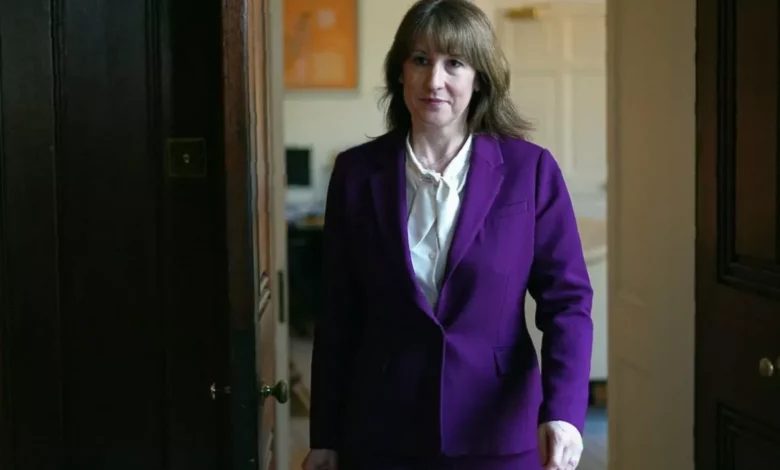
Chancellor Rachel Reeves has argued that navigating the UK through a period of stagnant growth and global energy shocks requires confronting the enduring economic fallout of Brexit, as she outlined plans to significantly deepen trading ties with the European Union.
Official figures revealing the UK economy unexpectedly flatlined in January have intensified pressure on the government, with fears that soaring global oil prices could tip the nation into recession. Against this backdrop, Ms Reeves was unequivocal, stating: “Brexit has not been good for our country, for growth, for prices in the shop.”
She told The Times that while the decision to leave the EU was irreversible, closer alignment with the bloc represented the “biggest prize” for Britain’s economic future. “There’s an awful lot we can do to improve our trading relations,” she said. “Where that requires alignment in our national interest, we should absolutely align.”
A Legislative Push for Closer Ties
This stance is set to be translated into law as part of Number 10’s planned Brexit “reset”. Sir Keir Starmer’s government is preparing a bill that would grant ministers overarching powers to bring UK regulations into line with evolving EU law in specific sectors.
The process, known as “dynamic alignment”, is intended to reduce trade barriers and paperwork to boost growth. Areas identified for potential harmonisation include food standards, animal welfare, and pesticide use, with the research briefing noting it could also extend to carbon and electricity markets and regulations for plants and animals.
However, the approach is described by experts as potentially “practically challenging and politically controversial”. Concerns have been raised that it could see the UK subject to new EU rules without a vote, with limited parliamentary scrutiny. The legislation is expected to face significant opposition in Parliament.
Rebuilding Bridges: Youth Mobility and Student Exchanges
Beyond goods and regulations, the Chancellor is pursuing closer people-to-people links. She told The Times she wants an “ambitious” youth mobility scheme with the EU, allowing young people aged 18-30 to live and work across borders for a limited period, likely two years. Negotiations are “live”, but she insisted this would not constitute a “return to free movement”. A proposed annual cap of 44,000 visas for each side has been suggested, with the scheme seen as a way to address skills shortages.
In a parallel development, the UK and EU have announced the conclusion of negotiations for Britain to rejoin the Erasmus+ programme in 2027, reopening access to study and work placements for students and staff.
Ms Reeves cited direct feedback from business leaders to support her case, recounting meetings with a supermarket boss and the head of a major conglomerate who said Brexit had caused significant economic pain. “These are two huge businesses saying it’s difficult for us and it pushes up prices and costs,” she said, “but for small businesses, it is really challenging.”
Political Backlash and Economic Reality
The government’s trajectory has already drawn fierce criticism. Reform UK, which the original article notes ministers have sought to draw a dividing line with, has accused both major parties of betraying Brexit voters. Some Conservative MPs have accused ministers of “undoing Brexit” and “surrendering our freedom”, while the Liberal Democrats have called the alignment plans “too timid”, advocating instead for a customs union.
The Chancellor’s argument is underpinned by the concept of “economic gravity”—the idea that the UK’s geographical proximity and existing trade volume with the EU make closer alignment a practical necessity. Her comments come ahead of a key Mais Lecture in the City of London, a platform historically used by chancellors to set out their economic vision, where she is expected to elaborate on these themes alongside focuses on AI and regional growth.
She faces this task amid severe global headwinds. Brent crude oil surged past $100 a barrel this week for the first time since 2022, driven by the escalating Middle East conflict. Analysis suggests sustained high prices could significantly add to UK inflation, with warnings the conflict could precipitate a recession. The UK’s reliance on imported gas adds further vulnerability to household energy costs.
Despite these challenges, Ms Reeves argued that her government’s prior economic decisions have put the UK in a stronger fiscal position to weather the storm. “When I came in, there was no money left,” she said, referencing high interest and borrowing costs. She pointed to Office for Budget Responsibility forecasts showing increased fiscal headroom, concluding: “It does show that we were right to do what we did the first year and a half because we are in a much stronger position economically and fiscally to deal with this.”