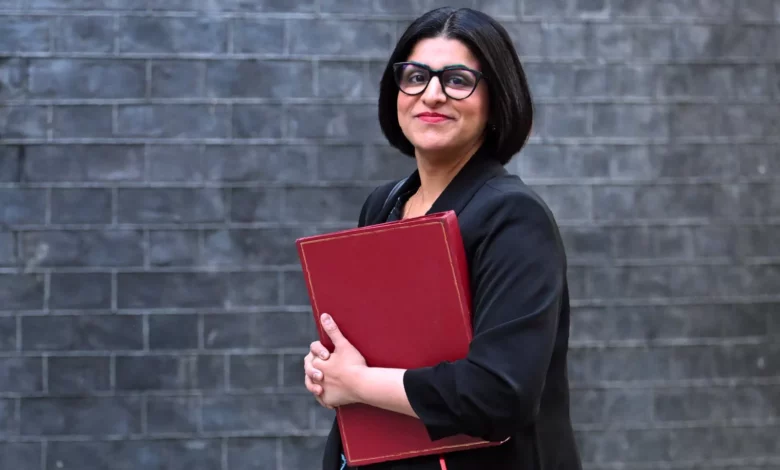
Home Secretary Shabana Mahmood has announced plans to significantly expand legal refugee routes to Britain, proposing three capped schemes designed to break the business model of people-smuggling gangs once the government regains control of the wider asylum system.
The three pathways include a student route for refugee and displaced students to study at British universities, a skilled worker stream, and a community sponsorship model closely based on the Homes for Ukraine programme. Only individuals already recognised as refugees would be eligible, with each route operating under an annual cap.
Ms Mahmood, speaking on Matt Forde’s Political Party podcast, said the expansion was contingent on first restoring public confidence in migration management. “I think once we’ve got control of our system, once we’ve shown our country that we can run a good migration system, we can break the business model of the gangs,” she said. Her argument is that pre-accepting refugees before they travel to Britain eliminates the need for dangerous journeys and undercuts the smugglers who profit from them. “In those systems, you accept people as refugees before they arrive, so the whole system works much better,” she explained.
The student route is expected to be the first to launch, with applications opening this autumn for refugees and displaced students hoping to begin university in Britain next year. The skilled worker pathway will allow refugees already granted status to take up employment, though asylum seekers cannot switch directly to a Skilled Worker visa while their claim is pending — that option only becomes available after refugee status is granted.
The community sponsorship model mirrors the Homes for Ukraine scheme, which was launched in 2022. Under that programme, UK households with permanent residency can sponsor Ukrainian nationals and their families by providing accommodation for at least six months, in return for a monthly government payment. The new proposal would extend the same model to other refugee groups, allowing voluntary organisations and community groups to act as sponsors.
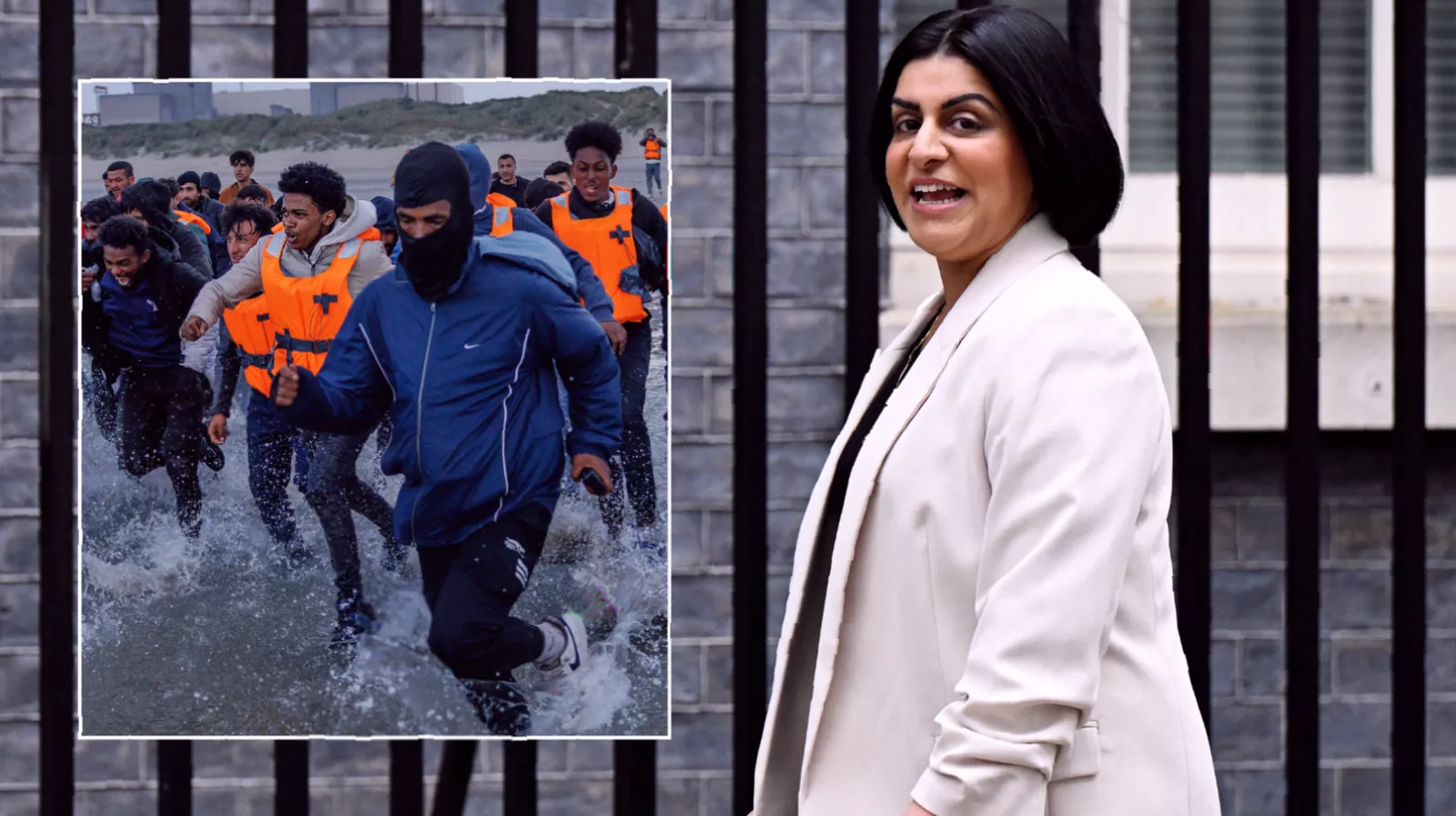
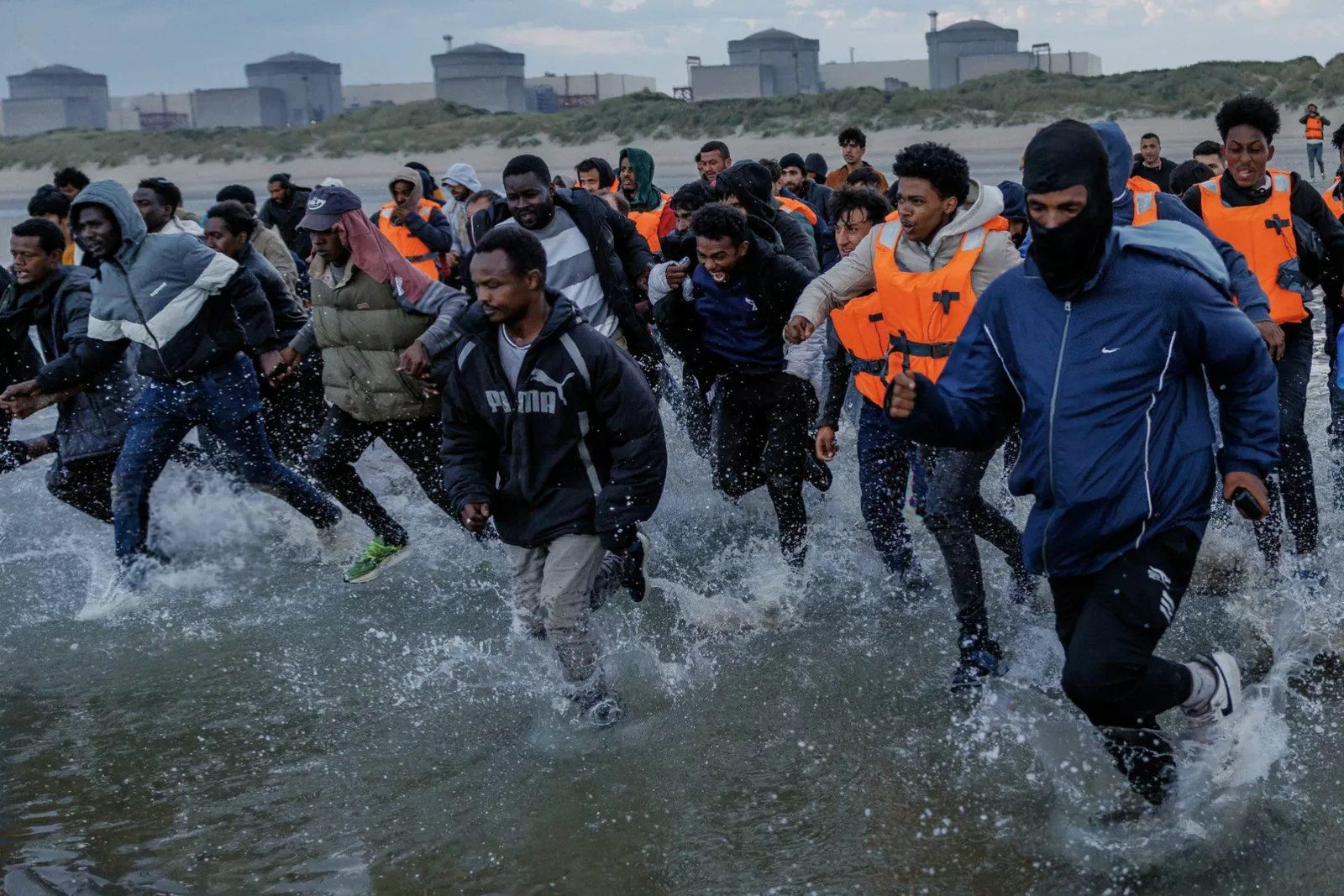
Currently, excluding the dedicated Ukraine and Hong Kong pathways, around 1,000 refugees arrived in Britain through legal resettlement routes in the year to September 2025. Ms Mahmood’s ambition is to raise that number significantly, but only after tightening other parts of the system to demonstrate that migration is properly controlled.
Parallel tightening and temporary protection
Alongside the new legal routes, the Home Secretary is pursuing sweeping reforms that would make refugee status temporary rather than permanent. Under the proposed “core protection” model, status would be reviewed every 30 months. Protection would be renewed only if the individual still faces danger in their home country; those whose home countries are deemed safe would be expected to return. The approach is modelled on Denmark’s asylum system, which has seen a significant reduction in claims.
The wait for permanent settlement would be extended dramatically. Refugees would face a baseline period of 20 years before they can apply for indefinite leave to remain, up from the previous five years. For most migrant workers, the standard settlement wait would double from five to ten years, with higher income requirements and stricter English language rules. Some proposals stratify the waiting period by wage, meaning low-paid workers could face even longer waits. Permanent settlement — rebranded as “earned settlement” — would be conditional on meeting income and integration criteria.
Ms Mahmood is also pushing to remove refugees’ automatic right to family reunion. Under the new rules, relatives would only be permitted to join if the refugee can prove financial independence, with requirements aligned to those expected of British citizens. Family reunion will not be possible outside exceptional circumstances unless a refugee joins a work or study route and meets qualifying tests. Critics, including veteran Labour peer Lord Alf Dubs, have raised concerns about the impact on unaccompanied refugee children.
The Home Secretary has warned that both legal and illegal migration at current levels risk undermining public trust. “The diversity of our country, I think it’s like part of our superpower,” she said, but added: “Nothing irritates and annoys our fellow citizens more than feeling that you can break the rules and get away with it.” She framed her overall approach as a middle ground between what she described as the Green Party’s “open borders” position and Reform UK’s “racist” stance.
Backlash within Labour
The plans have triggered significant opposition within the Labour party. More than 100 MPs have signed a letter urging ministers to rethink the reforms, particularly the changes to indefinite leave to remain. The letter was organised by Tony Vaughan MP, the Labour member for Folkestone and Hythe. Former Deputy Prime Minister Angela Rayner branded some of the proposals “un‑British” and a “breach of trust”, arguing that moving the goalposts for settlement undermines fair play.
Concerns have been sharpened by the government’s intention to apply some changes retrospectively to migrants already living in Britain. Downing Street is said to be weighing up transitional arrangements to soften the impact. A poll indicated that 39% of voters support extending the indefinite leave to remain waiting period from five to ten years, with 26% opposed — but support drops sharply when the change is applied retrospectively.
In parallel with the new refugee student route, the government has introduced what it calls “unprecedented” visa restrictions for potential students from Afghanistan, Cameroon, Myanmar and Sudan, citing a significant increase in asylum applications from those countries after arrival on student visas.
Labour has also committed to ending the use of asylum hotels by the end of the current Parliament and to removing more people without legal status. Around 38,000 people were returned in 2025, and a new returns and enforcement unit with additional staff is planned. Net migration to the UK fell to an estimated 204,000 in the year ending June 2025, a significant drop from its peak, while asylum claims in the year to September 2025 rose by 13% — a contrast with the 22% fall seen across the European Union.